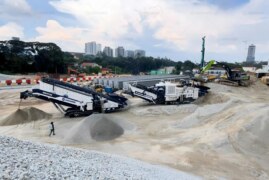
Buying a crusher is only one step in building a profitable aggregate production operation. A machine may have excellent specifications, but its performance ultimately depends on how it works with feeders, screens, conveyors, electrical systems, and other equipment. A properly designed aggregate plant considers the entire production process rather than focusing on one machine.
For quarry owners and aggregate producers, this difference can directly affect production stability, product quality, operating costs, and return on investment. A professional aggregate plant(planta de árido) solution starts with the characteristics of the raw material and the required final products, then builds the crushing process around those requirements.
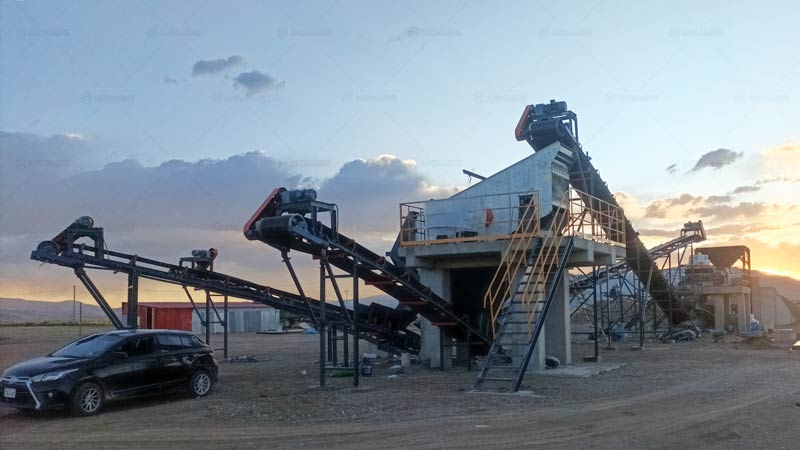
What Is the Difference Between Equipment Purchasing and a Complete Crushing Solution?
Purchasing individual equipment usually means selecting a machine based on capacity, price, or technical specifications. A professional solution takes a broader approach by considering how material moves through the entire production line.
A Single Machine Has a Limited Role
A crusher is responsible for a specific stage of size reduction. However, the complete production process may also require:
- Raw material feeding
- Primary crushing
- Secondary or tertiary crushing
- Screening and classification
- Material conveying
- Product stockpiling
- Dust control and other auxiliary systems
If these components are poorly matched, a high-capacity crusher may not deliver high final production.
The Production Target Should Come First
Before selecting equipment, producers should determine the actual production requirements.
Important questions include:
- What type of rock will be processed?
- What is the maximum feed size?
- How many final products are required?
- What capacity is needed per hour?
- What particle shape and gradation are required?
- How many operating hours are expected per day?
These answers provide the foundation for designing an efficient aggregate plant.
Why Does Equipment Matching Matter?
The capacity of individual machines should be coordinated throughout the crushing circuit. The objective is to maintain a relatively stable material flow rather than maximize the output of one crusher.
Avoiding Bottlenecks
Imagine a primary crusher capable of processing 250 tons per hour while the screening system can effectively handle only 180 tons per hour. The additional crushing capacity does not automatically increase saleable production.
Instead, it may cause material accumulation, excessive recirculation, and unstable operation.
A professional aggregate plant solution matches feeder, crusher, screen, and conveyor capacities so that each stage can support the next one.
Maintaining Consistent Product Quality
Capacity is not the only performance indicator. Aggregate producers also need to meet requirements for particle size, gradation, shape, and cleanliness.
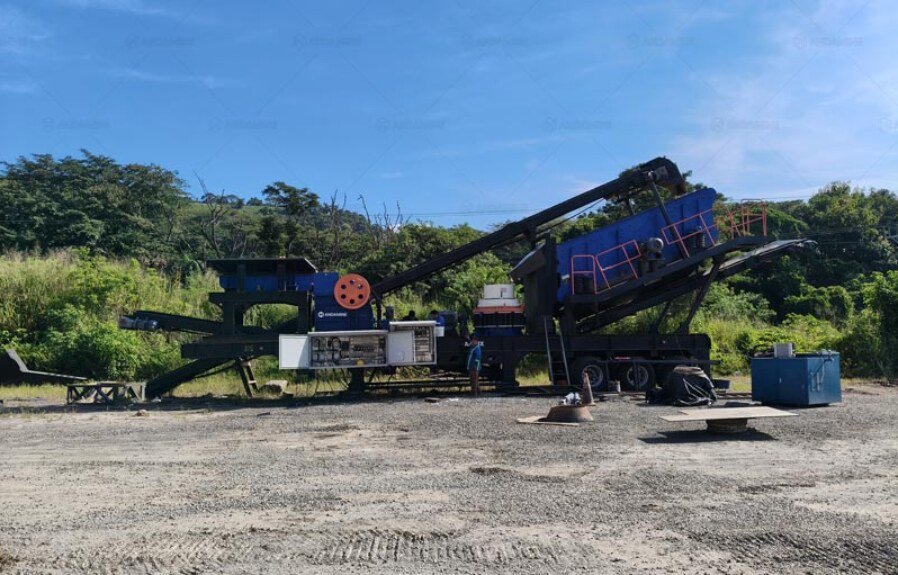
A well-designed stone crushing plant(planta trituradora de piedra) can use multiple crushing stages to progressively reduce material and achieve the desired final products.
How Does Raw Material Affect the Crushing Solution?
Different rocks require different crushing strategies. Limestone, granite, basalt, and recycled concrete do not behave the same way inside a crushing chamber.
Hardness and Abrasiveness
Hard and abrasive rocks can accelerate wear on crusher components. In such applications, equipment selection should consider not only capacity but also liner life, maintenance requirements, and operating costs.
For softer materials, impact crushing may provide advantages in reduction and particle shaping. For harder materials, compression crushing may be more appropriate for certain stages.
Feed Size and Material Characteristics
Large feed material requires an appropriate primary crushing stage. Moisture and clay content can also influence feeder and screening performance.
These factors should be evaluated before finalizing the configuration of a stone crushing plant.
What Are the Benefits of a Complete Stone Crushing Plant Design?
A professional design integrates the equipment into one operating system. This provides several practical advantages over purchasing machines independently.
Better Material Flow
A complete layout considers equipment positioning, conveyor routes, transfer points, and stockpile locations. Good material flow can reduce unnecessary transportation and improve operational efficiency.
Easier Operation and Maintenance
When equipment is properly coordinated, operators can manage the production line more systematically. Maintenance personnel can also identify the relationship between upstream and downstream equipment when troubleshooting problems.
Greater Flexibility for Future Production
A well-planned stone crushing plant can sometimes accommodate future changes more easily. For example, additional screening capacity or a different crushing stage may be incorporated if product requirements change.
How Should Producers Evaluate the Investment?
The purchase price of individual machines is important, but it should not be the only financial consideration.
Look at Total Cost of Ownership
Producers should evaluate:
- Initial equipment investment
- Installation costs
- Energy consumption
- Wear parts
- Routine maintenance
- Labor requirements
- Expected service life
- Downtime
- Final product value
A lower-priced machine may become more expensive over time if it consumes more energy, requires frequent maintenance, or cannot consistently produce the required aggregate specifications.
Calculate Cost Per Saleable Ton
A useful financial indicator is the cost of producing one ton of qualified, marketable aggregate.
This approach provides a clearer comparison between different equipment configurations. A stone crushing plant with a higher initial investment may deliver a better long-term return if it produces more qualified material with lower operating costs.
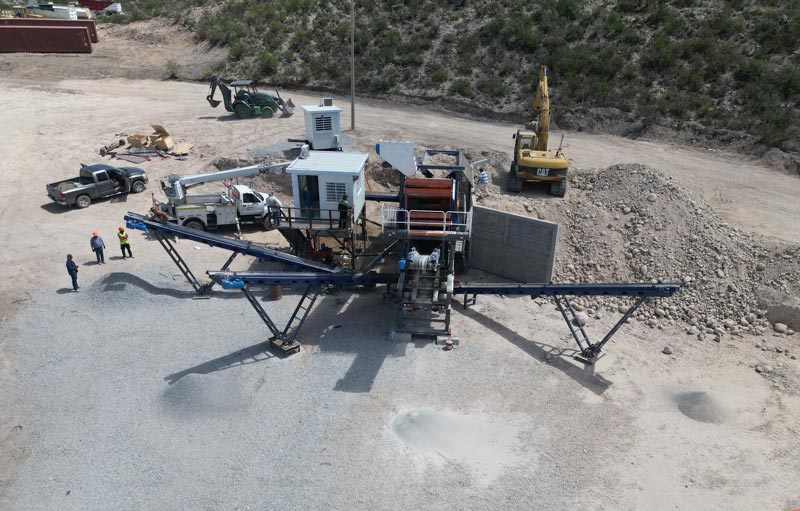
What Role Does Professional Support Play?
Equipment selection is only part of a successful project. Installation, commissioning, operator training, spare parts, and technical support can all influence long-term performance.
Installation and Commissioning
A professional team can help ensure that equipment is installed according to the designed process and that operating parameters are properly adjusted during commissioning.
After-Sales Technical Support
When unexpected problems occur, technical support can help identify potential causes and reduce troubleshooting time. Access to appropriate spare parts and maintenance guidance can also improve equipment availability.
For remote quarry operations, these services can be particularly valuable because equipment downtime may affect the entire production schedule.
Build the Production System Around the Project
A successful aggregate plant is more than a collection of individual machines. It is an integrated system in which feeding, crushing, screening, conveying, and stockpiling work toward the same production objective.
Choosing a professional solution allows producers to evaluate the complete process before purchasing equipment. It helps prevent capacity mismatches, improve product consistency, control operating costs, and prepare the operation for future requirements.
For this reason, when planning a new stone crushing plant, the key question should not simply be “Which crusher should I buy?” A better question is “What complete crushing process can produce the required aggregate at the right quality, capacity, and cost?” That shift in perspective can make a significant difference to the long-term performance and profitability of an aggregate operation.