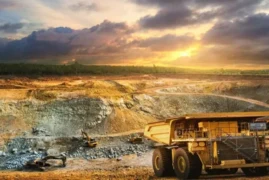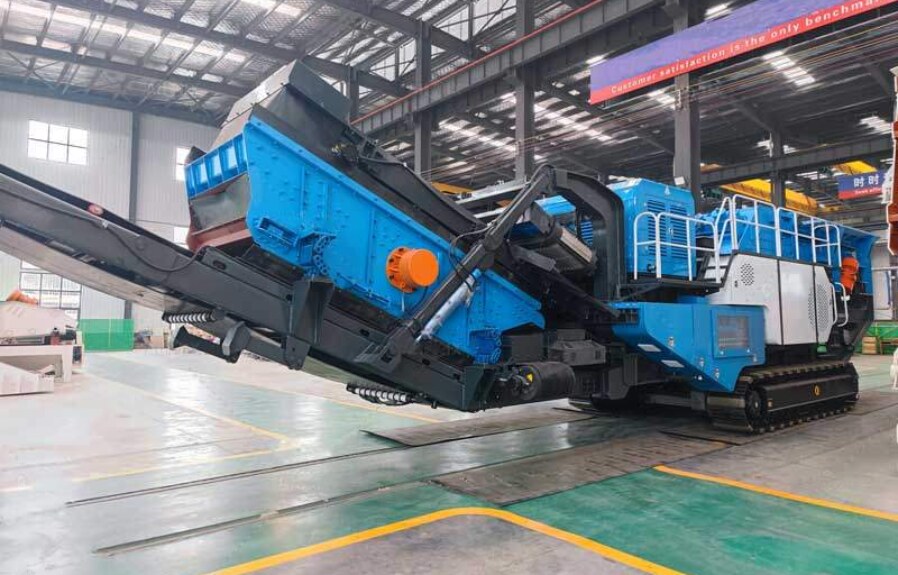
Crawler crusher location optimization in open-pit mines involves balancing the distance between the excavation face and the crusher against relocation time, haulage costs, and downstream processing requirements. Positioning the crusher close to active mining areas can reduce truck travel, but moving it too frequently may interrupt production and increase operating costs. The most effective location is therefore not always the closest point to the working face; it is the position that supports efficient material flow over a practical operating period.
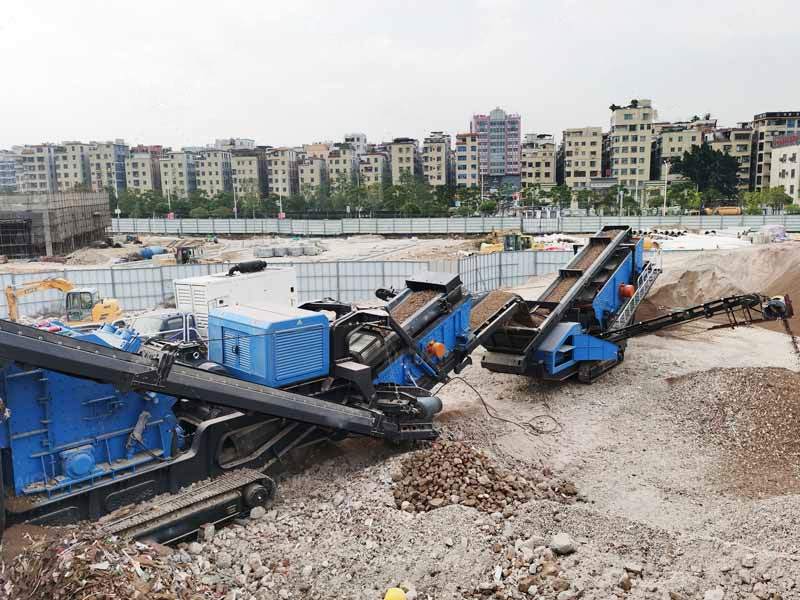
1. Evaluate Excavation Progress Before Selecting a Crusher Location
The mining plan determines where raw material will be extracted and how quickly the working face will advance. If a crawler crusher is positioned based only on the current excavation point, it may soon become separated from the loading area as mining progresses. This can increase internal haulage distances and reduce the economic benefits of mobile crushing.
Mine planners should estimate the direction and rate of excavation progress over the coming weeks or months. The crusher location should serve a sufficiently large working area while remaining accessible to excavators and haul trucks. For example, a relatively stable mining bench may support longer operating periods at one location, whereas rapidly advancing excavation may require more frequent repositioning.
The planning process should also account for differences between ore zones and waste-rock areas. If the mine alternates between several extraction zones, placing the crusher near the most active material source may not always be optimal. A central position serving multiple loading areas can sometimes reduce total travel distance, provided that the resulting haulage routes remain practical.
2. Balance Haulage Distance Against Relocation Frequency
Moving a crawler crusher closer to the excavation face can reduce the distance trucks travel with loaded material. Shorter haul routes may lower fuel consumption, reduce truck-cycle times, and allow the existing fleet to deliver more material per shift. These benefits are particularly important in large open-pit mines where internal transportation represents a significant part of operating costs.
However, relocation also consumes time and resources. Depending on the equipment configuration and site conditions, moving the crusher may require access preparation, equipment checks, repositioning, and coordination with other mining activities. Frequent moves can reduce productive operating hours, even when each individual relocation is relatively short.
A practical location assessment should compare the expected haulage savings with the cost of moving the crusher. If moving closer to the face saves substantial truck travel over several weeks, relocation may be worthwhile. If the excavation area will shift again shortly afterward, remaining in a stable position may deliver better overall productivity.
3. Check Ground Conditions, Access, and Mining Safety
A technically convenient crusher location may still be unsuitable if the ground cannot safely support the equipment. Crawler mobility helps the machine travel across a jobsite, but it does not eliminate the need to evaluate ground bearing capacity, slope, drainage, and surface stability. Soft ground, loose material, or uneven working platforms can complicate movement and affect safe operation.
Access routes must accommodate the crusher’s transport requirements, service vehicles, and the flow of mining trucks. Planners should also maintain sufficient space for feeding, maintenance, and material discharge. Positioning the crusher too close to active excavation can expose it to falling rock, blasting-related hazards, or interference from loading equipment.
Safety separation is therefore part of location optimization, not a separate consideration. The selected position should follow the mine’s traffic management plan and blasting exclusion procedures. Before relocation, operators should confirm that the destination and travel route are suitable under the mine’s established operating controls.
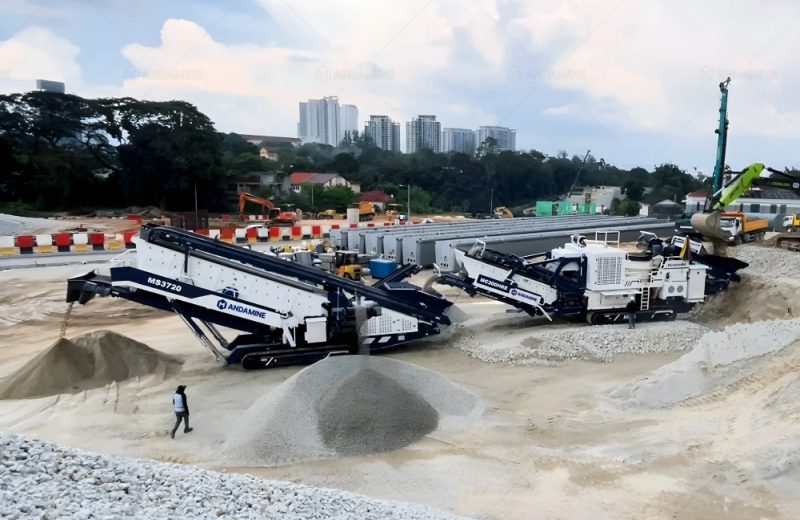
4. Match Crusher Position With Downstream Processing Capacity
Crusher location affects more than the distance from the excavation face. It also determines how crushed material reaches stockpiles, conveyors, secondary crushers, or mineral processing facilities. A location that minimizes truck travel to the crusher may create additional handling costs if the discharge point is poorly aligned with the downstream system.
Where conveyors are available, planners should assess conveyor alignment, transfer points, and the distance between the crusher and the receiving system. In truck-based operations, the layout should provide adequate space for loading, turning, and material collection without creating congestion. If the crusher supplies a processing plant, its location should support consistent feed delivery rather than simply maximizing proximity to excavation.
Material characteristics also influence the decision. Different ore types may require different crushing configurations or downstream treatment. When mining operations switch between ore zones, planners should consider whether the crusher can maintain the required feed size and whether the existing material-handling arrangement can accommodate the change.
5. How to Choose a Mobile Crusher for Open-Pit Mining
To understand how to choose a mobile crusher for an open-pit mine, operators should evaluate the equipment against the mine plan, not just its rated capacity or mobility. The machine must process the expected rock type and maximum feed size while meeting the required output specification. A crusher that cannot handle the actual feed conditions may create blockages, excessive wear, or bottlenecks even when its nominal capacity appears sufficient.
The crushing stage is another important factor. A mobile jaw crusher is commonly considered for primary crushing of large, coarse feed, while an impact crusher may be suitable for selected materials and applications requiring particular product characteristics. The final choice depends on rock properties, feed gradation, reduction requirements, and the characteristics of the complete crushing circuit.
Mobility should be evaluated alongside operating stability. Consider travel requirements between mining benches, relocation frequency, maintenance access, fuel consumption, and compatibility with conveyors or downstream equipment. The objective is to select a crusher that can follow mining progress when necessary without sacrificing dependable production during each operating period.
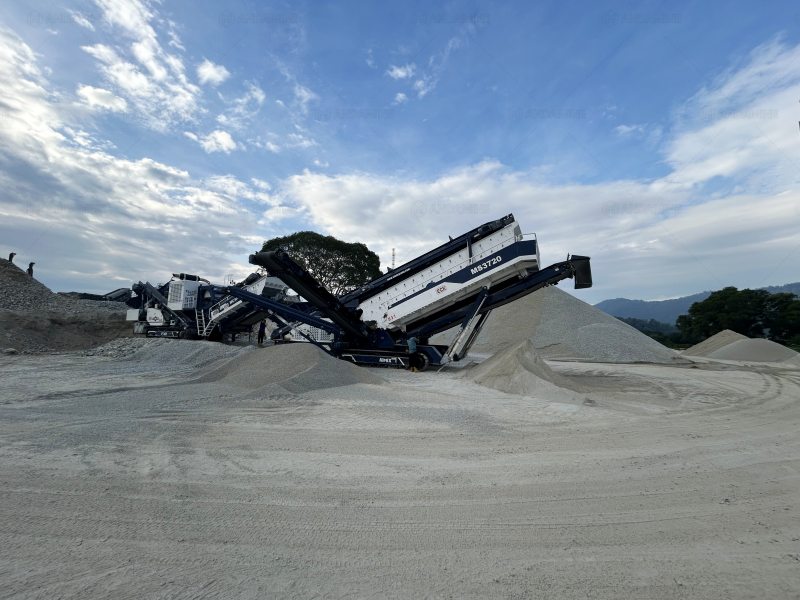
6. Use a Rolling Location Plan to Maintain Long-Term Efficiency
A fixed location plan may become outdated as excavation advances, haul roads change, and production priorities shift. Mine planners should therefore review crusher positioning regularly using updated excavation schedules, truck-cycle times, operating hours, relocation records, and actual throughput. These measurements help identify whether the current location is still supporting the lowest practical material-handling cost.
A rolling plan can define the next suitable operating area, the conditions that would trigger relocation, and the preparation required before the move. For instance, relocation may be scheduled when the additional haulage cost of remaining at the current position exceeds the expected cost of moving and restarting operations. Planned maintenance can sometimes be coordinated with relocation to reduce overlapping downtime, provided the work can be completed safely and efficiently.
Crawler crusher location optimization is ultimately a coordination task involving excavation, transportation, crushing, and downstream processing. By considering both immediate haulage savings and the longer-term stability of production, mining operators can reduce unnecessary equipment movement, improve crusher utilization, and maintain a more efficient material flow as the open-pit mine develops.