In large mining operations, an aggregate crusher can process rock faster than the conveying system can transport it, creating a bottleneck that reduces overall plant production. Even when the crusher has sufficient installed capacity, undersized conveyors, poor transfer-point design, or inconsistent material flow can prevent the plant from reaching its production target. Understanding the relationship between crushing and conveying capacity helps mining operators identify hidden production losses and determine whether to upgrade the conveyor system, adjust operating conditions, or redesign the crushing circuit.
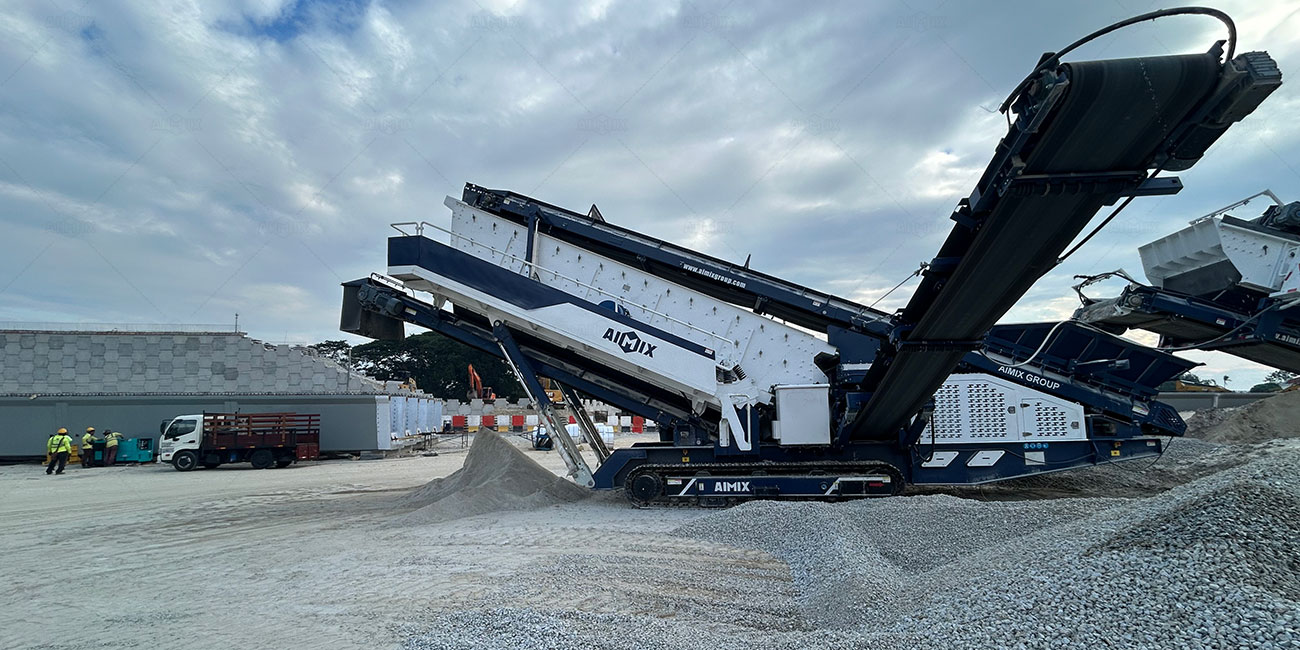
Why Conveyor Capacity Determines Actual Crusher Output
A crusher reduces rock to a smaller size, but conveyors must continuously remove the discharged material to keep the crushing chamber operating efficiently. If the conveyor cannot handle the crusher’s discharge rate, material may accumulate at the outlet or transfer point. Depending on the plant design, this can trigger high-level alarms, restrict feeding, or force the crusher to stop.
The key distinction is between crusher capacity and total circuit capacity. Crusher capacity describes the material a machine can process under specified operating conditions, while circuit capacity depends on the performance of the entire system, including feeders, conveyors, screens, and transfer points. In practice, sustained plant throughput is constrained by the component with the lowest effective capacity.
For example, if an aggregate crusher can process 500 tons per hour but its discharge conveyor can reliably transport only 400 tons per hour, the plant cannot continuously deliver 500 tons per hour through that route. The exact production loss depends on surge capacity, operating schedules, and downstream equipment, but the conveyor remains a limiting factor until the mismatch is resolved.
Common Conveyor Problems That Reduce Aggregate Crusher Production
Insufficient Belt Capacity
Conveyor capacity depends on belt width, belt speed, trough geometry, material density, and the cross-sectional area of the load. A belt that is too narrow or operates too slowly may not transport the crusher’s full discharge, particularly when processing dense, coarse rock.
Mining operators should evaluate actual material characteristics rather than relying only on nominal conveyor ratings. Changes in rock density, particle size, moisture, and the proportion of fines can affect loading behavior and the mass transported per unit of time. The conveyor must also operate within safe loading limits rather than being pushed beyond its design capacity.
Transfer-Point Blockages and Material Spillage
Transfer points between the crusher, conveyor, screen, and stockpile system can become bottlenecks even when the belt itself has sufficient capacity. Poor chute geometry, excessive drop height, uneven loading, and oversized material can cause blockages or spillage. These problems interrupt material flow, increase cleanup requirements, and expose workers to additional hazards.
A well-designed transfer point directs material onto the belt near its center and controls impact forces. Chutes should accommodate the expected maximum feed size and material flow, while liners and wear components should be inspected regularly in abrasive mining environments.
Downstream Equipment Restrictions
The discharge conveyor may feed a screen, secondary crusher, stockpile conveyor, or loading system. If any downstream component has insufficient capacity, operators may need to reduce the upstream crushing rate to avoid overloading the system.
For instance, increasing primary crusher output will not improve saleable aggregate production if the screening circuit cannot classify the additional material or the return conveyor cannot handle the circulating load. Diagnosing the entire material-handling route is therefore more effective than focusing exclusively on the primary crusher.
How to Match Conveyor Capacity with Aggregate Crusher Output
A practical assessment begins with the crusher’s expected sustained throughput rather than its maximum theoretical rating. Operators should consider feed size, rock hardness, crusher settings, operating availability, and the actual production mix. The resulting discharge rate provides the basis for checking conveyor capacity.
Next, review the complete conveying route, including the discharge conveyor, transfer chutes, screening equipment, return belts, and stockpile conveyors. Each component must handle its expected load under normal operation, with an appropriate design margin for variations in feed and production conditions. The required margin should be determined by the plant designer based on material properties, duty cycle, and operating risks rather than by applying one universal percentage.
Operating data can help identify the limiting component. Compare crusher power draw, belt loading, belt speed, blockage alarms, conveyor downtime, and hourly tonnage. If crusher output falls whenever a particular conveyor reaches its operating limit, that pattern suggests a conveying bottleneck. If the belt remains underloaded while throughput declines, the cause may instead lie in feed availability, crushing performance, or downstream restrictions.
Changes should be tested systematically. Depending on the findings, solutions may include adjusting belt speed within approved operating limits, improving transfer chutes, correcting uneven feed distribution, upgrading the conveyor drive, or installing a higher-capacity conveying line. Any modification must account for motor power, belt tension, structural loads, braking requirements, and relevant safety systems.
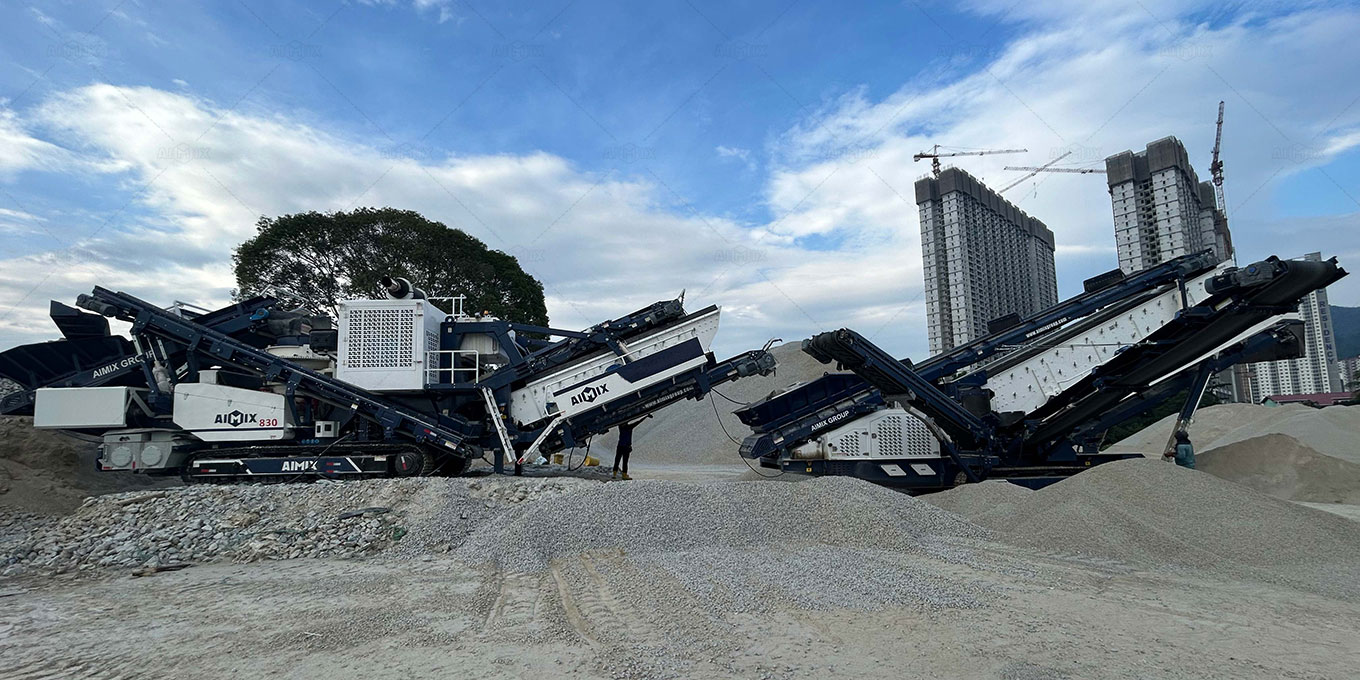
Conveyor Planning for Track Mounted Crusher Operations
A track mounted crusher introduces additional considerations because the crushing unit may move between working faces or operate in different areas of a mining site. Its mobility can reduce the need to transport raw material over long distances, but the discharge still needs a reliable route to the next processing stage or stockpile.
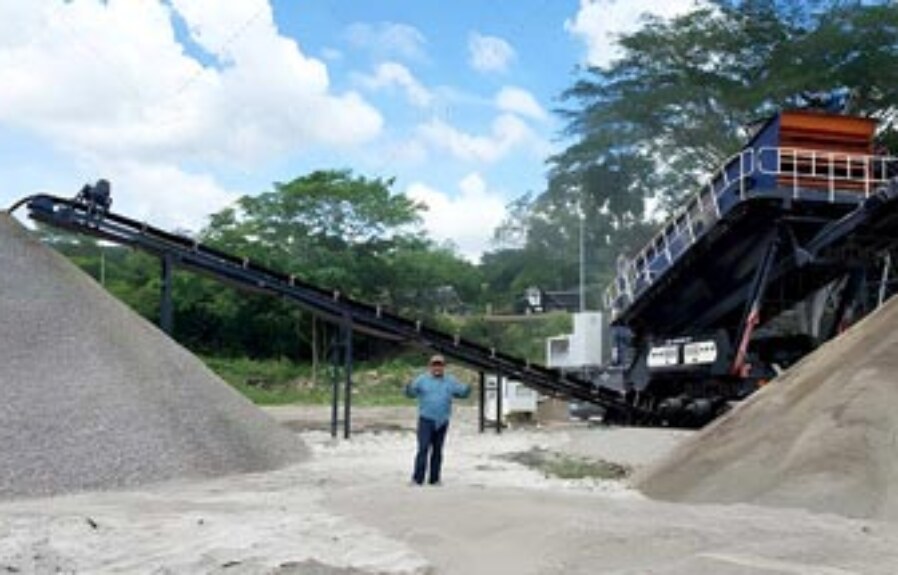
For short-term mining areas, a track mounted crusher may discharge onto a mobile conveyor that can be repositioned as the working face advances. This arrangement offers layout flexibility, but conveyor length, ground conditions, transfer height, and alignment must be evaluated whenever the equipment moves. A poorly positioned conveyor can restrict discharge flow or require frequent relocation, reducing the benefit of a mobile crushing setup.
For larger, long-term mining operations, semi-mobile or stationary conveying infrastructure may provide more consistent high-volume material handling. The choice depends on mine life, haulage distance, production targets, site geometry, and the cost of relocating equipment. A track mounted crusher should therefore be selected as part of the overall material-handling strategy, not as an isolated machine.
When Should a Mining Operation Upgrade Its Conveyor System?
A conveyor upgrade may be justified when production data repeatedly shows that the conveying system restricts crusher utilization, causes material accumulation, or prevents downstream equipment from receiving a consistent feed. Before investing in a larger belt, operators should confirm that the conveyor is the actual bottleneck and that the proposed upgrade will not simply shift the restriction to a screen, transfer point, or stockpile system.
Economic evaluation should compare the cost of the modification with the additional saleable tonnage it can deliver. Relevant factors include installation downtime, energy consumption, maintenance requirements, wear-part costs, and the expected remaining life of the mine. The objective is not to maximize crusher output in isolation, but to improve sustained production across the complete circuit.
Conclusion
Conveyor capacity directly affects how much material a mining plant can process continuously. An aggregate crusher cannot achieve its full production potential when discharge belts, transfer points, or downstream equipment restrict material flow. By measuring actual throughput, identifying the limiting component, and matching conveying capacity to crusher performance, mining operators can reduce interruptions and improve production efficiency. Whether the operation uses a fixed crushing plant or a track mounted crusher, the most effective solution is to optimize the entire material-handling system rather than upgrade individual machines without considering the circuit.