
Launching a profitable quarry or aggregate operation requires heavy capital deployment long before the first ton of crushed rock hits a stockpile. While many quarry owners fixate on the sticker price of jaw or cone units, hidden pre-production expenses—such as civil foundation engineering, environmental permitting, and high-voltage grid connections—often dictate which setup actually strains early cash flow. Comparing a traditional stationary aggregate plant against a tracked or wheeled mobile stone crushing plant reveals dramatic differences in upfront engineering, installation timelines, and how quickly a secondary crusher can begin generating revenue.
Deconstructing Pre-Production Capital Expenditures in Quarrying
Before a single blast occurs at the quarry face, operators face two distinct financial pathways. Stationary installations demand permanent civil infrastructure, whereas mobile configurations shift capital into self-contained chassis engineering and onboard power generation.
Civil Engineering, Concrete Foundations, and Structural Steel
- Deep Reinforced Footings: A permanent aggregate plant requires extensive geotechnical soil testing, excavation, and cubic meters of reinforced concrete piers to absorb dynamic vibrations from primary hoppers and screening towers.
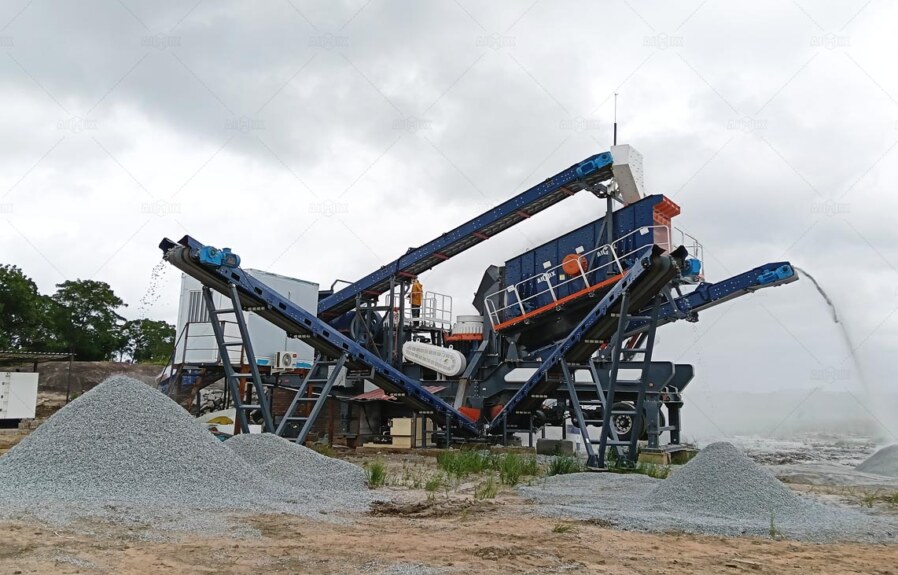
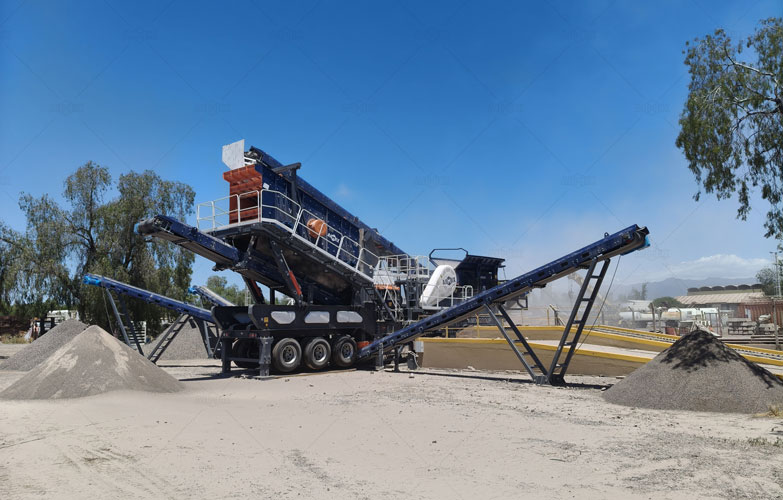
- Zero-Foundation Deployment: A modern mobile stone crushing plant(planta chancadora móvil) arrives factory-assembled on heavy-duty tracks or semi-trailers, eliminating concrete curing delays and allowing immediate positioning on compacted quarry benches.
- Transfer Conveyor Structures: Stationary circuits rely on fabricated structural steel trusses and elevated walkways between crushers and screens, whereas mobile units integrate folding onboard discharge conveyors directly into the chassis.
Permitting Hurdles and Environmental Compliance Timelines
Regulatory approval frequently represents the most expensive silent delay in mining startups. Permanent concrete foundations and fixed dust-collection towers often trigger full industrial construction permits and lengthy environmental impact assessments. Conversely, local authorities in many jurisdictions classify a mobile stone crushing plant as temporary portable machinery, streamlining site approvals and slashing pre-operation holding costs.
Power Infrastructure and Circuit Integration Costs
Connecting multi-stage crushing circuits to reliable energy sources creates a sharp cost divergence before commissioning begins.
High-Voltage Grid Extensions vs. Onboard Hybrid Power
- Substation and Transformer Installations: Bringing utility power lines into a remote greenfield aggregate plant(planta de agregados) often requires building dedicated step-down substations, trenching armored cables, and constructing weatherproof motor control centers.
- Integrated Diesel-Electric Drive Systems: Each mobile stone crushing plant carries its own onboard diesel-electric generator or dual-power interface, enabling commissioning within hours of low-bed trailer unloading without waiting months for utility grid hookups.
Integrating the Secondary Crusher and Screening Stages
Achieving cubical road-base or concrete-grade aggregate requires pairing primary reduction with a cone or impact secondary crusher.
- Stationary Surge Tunnels and Feeders: In a fixed layout, feeding a secondary crusher involves constructing concrete surge piles, reclaim tunnels, and variable-speed pan feeders to regulate material flow.
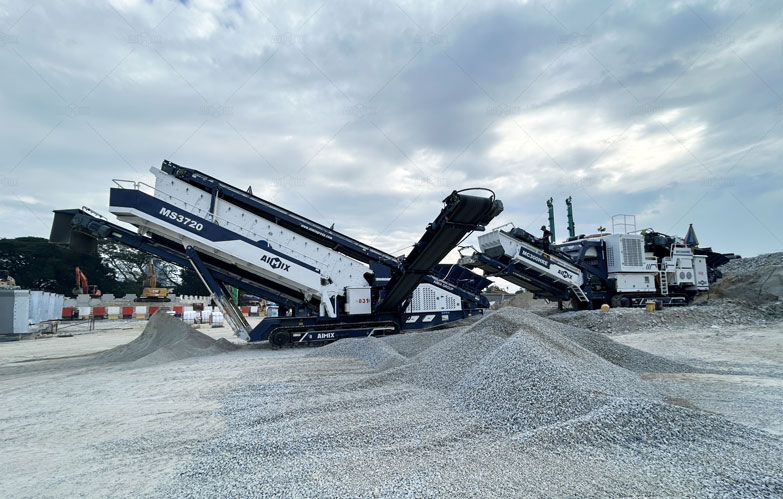
- Closed-Circuit Mobile Synchronization: Track-mounted cone and impact units utilize ultrasonic level sensors and wireless machine-to-machine communication to synchronize feed rates automatically from the primary unit to the secondary crusher without manual civil structures.
Hidden Mobilization, Commissioning, and Opportunity Costs
Evaluating pre-production budgets solely through equipment invoices overlooks the financial impact of delayed cash flow and specialized assembly labor.
Crane Rentals, Erection Crews, and Commissioning Windows
Assembling a stationary aggregate plant typically demands six to sixteen weeks of specialized rigging crews, heavy-tonnage mobile cranes, and on-site welding. During this window, quarry operators pay equipment financing interest and site leases with zero outbound aggregate sales. By contrast, a tracked primary unit paired with a mobile secondary crusher(trituradora secundaria) can be unloaded, unfolded, and calibrated for full-tonnage production in less than seventy-two hours.
Salvage Value and Mid-Project Relocation Flexibility
If core drilling reveals unexpected overburden or changing seam quality, relocating a fixed aggregate plant requires demolishing concrete pads and dismantling bolted steel towers at a substantial loss. A mobile stone crushing plant preserves capital liquidity by allowing operators to track directly toward the active blast face—eliminating costly articulated dump truck haulage—or redeploy the entire fleet to a new highway contract.
Aligning Capital Deployment With Quarry Lifespan and Cash Flow
Deciding which system costs more before production starts depends on deposit longevity and upfront liquidity. While a high-tonnage stationary aggregate plant delivers lower per-ton electrical and wear costs over a twenty-year quarry lifespan, its pre-production civil, grid, and permitting bills easily exceed initial equipment quotes. For contractors prioritizing rapid commissioning, minimal civil engineering, and agile deployment of both primary units and a high-efficiency secondary crusher, investing in a mobile stone crushing plant dramatically lowers upfront financial risk and accelerates time to first revenue.