
Purchasing heavy aggregate processing equipment is one of the largest capital commitments a quarry operator or civil contractor will ever make, yet many buyers evaluate proposals based solely on the upfront factory invoice. In the mining and aggregate sector, true profitability is rarely determined by purchase price alone; it is driven by net cost per ton produced, wear-part longevity, and end-product market value. Whether you are evaluating a stationary stone crushing plant for a long-term hard-rock deposit or comparing a track-mounted mobile stone crusher for contract roadwork, building an accurate Return on Investment (ROI) model requires looking beyond theoretical hourly tonnage. By accounting for rock abrasiveness, fuel-to-electric efficiency, and secondary fines monetization, operators can forecast payback timelines with precision.
Establishing True Total Capital Expenditure (CapEx)
Before projecting revenue, financial planners must capture every dollar required to bring the processing line from port arrival to full commercial production. Underestimating peripheral setup expenses is the most common reason payback schedules slip.
Equipment and Auxiliary Infrastructure
Your baseline CapEx includes the primary jaw, secondary cone, vibrating screens, and conveyors, alongside essential site additions:
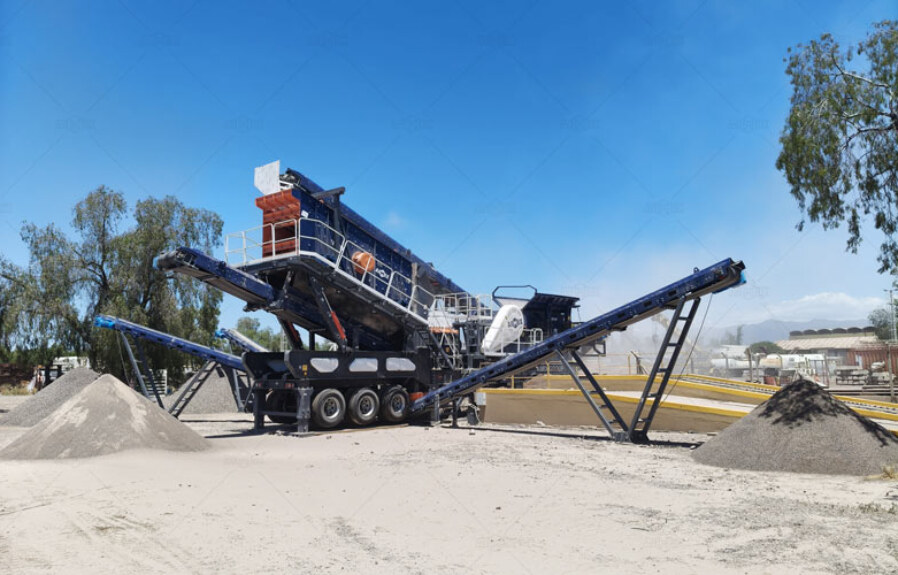
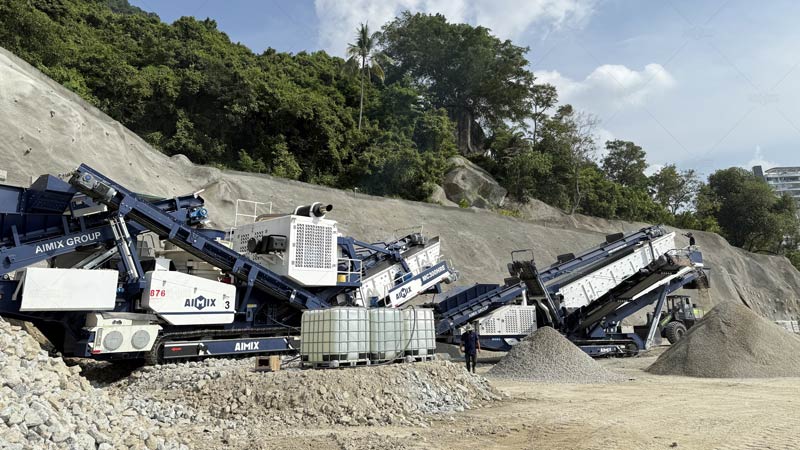
- Civil Works and Foundations: Stationary facilities require reinforced concrete footings, retaining walls, and electrical substations, whereas a mobile stone crusher eliminates most civil engineering overhead by operating directly on graded pit floors.
- Power Generation and Dust Suppression: Factor in high-capacity diesel generators or grid step-down transformers, plus water spray systems required to meet environmental air-quality permits.
- Freight, Customs, and Commissioning: Include marine shipping, import duties, crane rentals, and factory engineer supervision during initial start-up.
Calculating Net Operating Expenditure (OpEx) per Ton
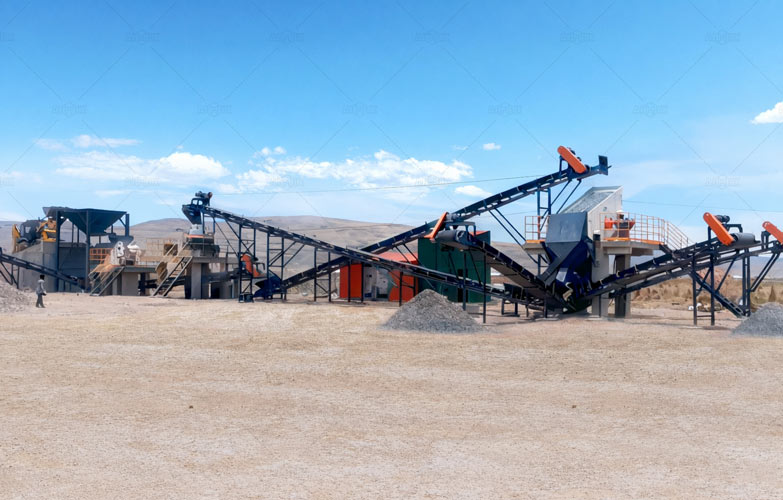
Once the stone crushing plant(planta de trituración) begins running, daily operating margins depend heavily on the geological characteristics of your feed rock—specifically compressive strength and silica content.
Wear-Part Consumption and Rock Hardness
Processing abrasive igneous rock demands specialized manganese liners, blow bars, and screen meshes. Operating a heavy-duty granite crushing machine yields premium high-strength construction aggregate, but high quartz content accelerates liner wear compared to softer limestone. Accurate ROI spreadsheets calculate wear-part replacement costs on a strict per-ton basis rather than an arbitrary monthly estimate.
Energy Draw and Labor Efficiency
- Fuel vs. Grid Electricity: Diesel-hydraulic units offer unmatched mobility, while grid-connected or diesel-electric hybrid configurations typically reduce energy costs per ton by 20 to 35 percent over multi-year runs.
- Automation and Crew Size: Modern PLC-controlled plants allow a single operator in a central cabin to monitor choke feeding and crusher gap settings, cutting shift payroll expenses while preventing costly overload shutdowns.
Modeling Revenue Streams and Product Gradation Yield
Gross revenue is never as simple as multiplying hourly capacity by local aggregate prices. Real-world quarry economics depend on gradation curves—the exact percentage of saleable sizes produced from every 100 tons of blasted rock.
High-Margin Fractions vs. Low-Value Fines
- Concrete and Asphalt Aggregates: Clean, cubical 10–20 mm and 20–40 mm fractions command top market prices from ready-mix concrete producers and highway paving contractors.
- Manufactured Sand (M-Sand): Adding a vertical shaft impactor (VSI) to your granite crushing machine circuit converts excess screening chips into high-value manufactured sand, capturing additional revenue where natural river sand is scarce.
- Sub-Base and Quarry Dust: While 0–5 mm crusher run sells at a lower margin, steady off-take agreements with municipal road crews ensure zero stockpile waste.
Step-by-Step ROI and Payback Formula
To compare different equipment configurations objectively—such as a stationary stone crushing plant versus a flexible mobile stone crusher(chancadora de piedra móvil)—apply this four-step financial formula:
- Determine Annual Net Production: Multiply realistic hourly output (typically 80 to 85 percent of rated brochure capacity) by scheduled operating hours per year.
- Calculate Annual Gross Revenue: Multiply the tonnage of each aggregate fraction by its verified local ex-works selling price.
- Deduct Annual OpEx: Subtract blasting/excavation costs, fuel or electricity, wear parts, routine maintenance, and operator wages from gross revenue to find Annual Net Operating Profit.
- Compute Payback Period and ROI Percentage: Divide Total CapEx by Annual Net Operating Profit to determine payback years, or divide Annual Net Operating Profit by Total CapEx and multiply by 100 for your annual ROI percentage.
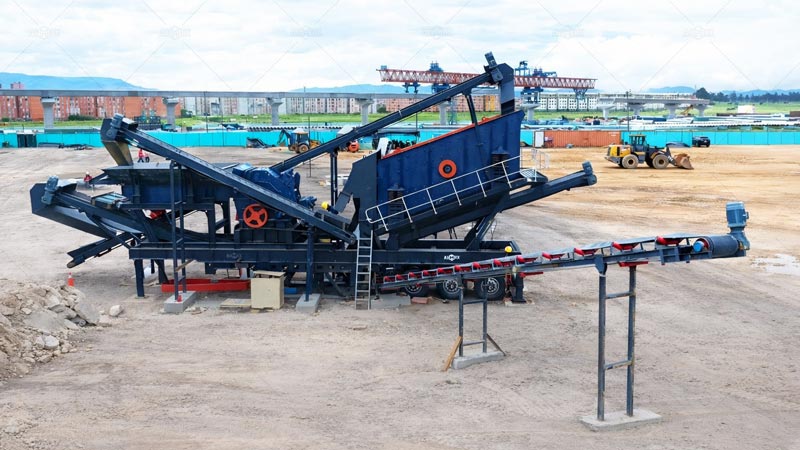
For example, if a contractor invests $650,000 into a versatile mobile stone crusher that generates $325,000 in annual net profit after all wear and fuel deductions, the capital payback period is exactly 24 months, yielding a 50 percent annual return.
Turning Quarry Math Into Long-Term Competitive Advantage
Accurate financial modeling transforms equipment procurement from a speculative gamble into a disciplined investment strategy. When you measure a granite crushing machine(máquina de triturar granito) by its net wear-cost per ton, or weigh the civil-work savings of a mobile stone crusher against the lower energy draw of a grid-tied stone crushing plant, the most profitable configuration becomes unmistakable. By stress-testing your spreadsheets against conservative utilization rates and real local gradation prices, you ensure your processing line delivers predictable cash flow long after the initial capital is recovered.