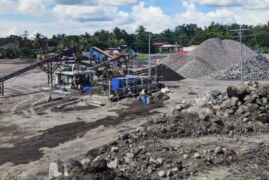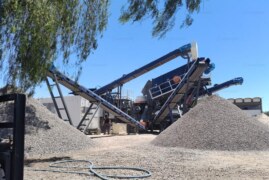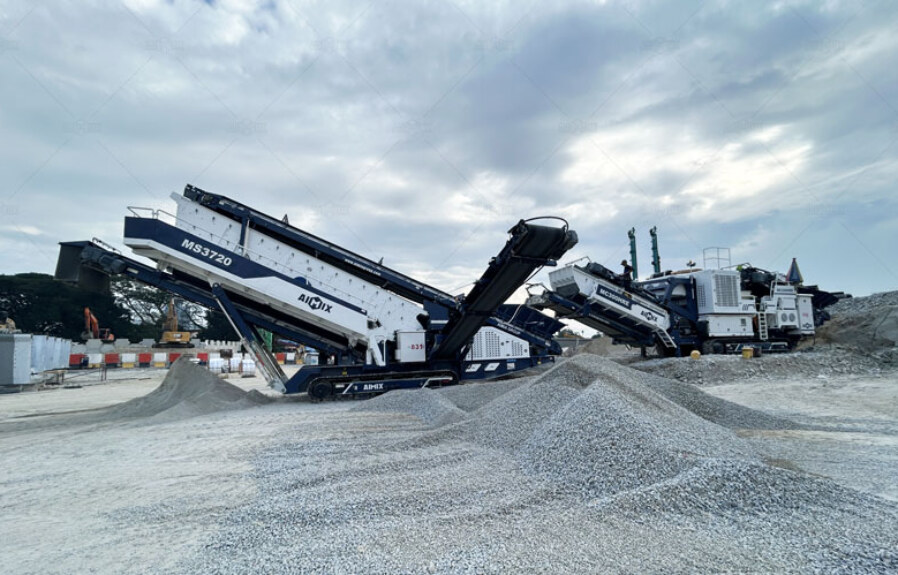
For quarry owners and aggregate producers, production lines are the backbone of the business. But equipment ages, technology advances, and market demands shift. The question that every operator eventually faces is whether to continue maintaining an existing aggregate plant or invest capital in a significant upgrade. New crushers, screens, and conveyors carry substantial price tags, and the disruption of installation can temporarily impact supply to customers. Yet the cost of doing nothing can be equally high, measured in lost tonnage, higher maintenance expenses, and declining product quality. This article provides a practical framework to evaluate whether upgrading your aggregate plant makes financial and operational sense for your specific situation.
Signs That Your Existing Aggregate Plant Is Due for an Upgrade
Before analyzing costs and returns, it helps to recognize the warning signs that indicate an aggregate plant is falling behind. These symptoms often appear gradually, making them easy to overlook.
Rising Maintenance Costs
Track your maintenance spending per ton over the past three years. A consistent upward trend is a clear signal. When repair costs for an aging aggregate plant(planta de agregados) exceed 50 to 60 percent of the monthly payment on new equipment, upgrading becomes financially logical.
Declining Product Quality
As crusher wear parts wear unevenly and screens lose efficiency, product gradation becomes inconsistent. Customers who receive off-spec material may issue rejections or seek alternative suppliers. If quality complaints have increased, your aggregate plant may no longer meet market standards.
High Downtime Frequency
Unscheduled stoppages due to bearing failures, belt tears, or crusher jams directly reduce revenue. Calculate your current availability percentage. If your aggregate plant runs at less than 75 percent availability due to breakdowns, an upgrade could quickly recover lost production.
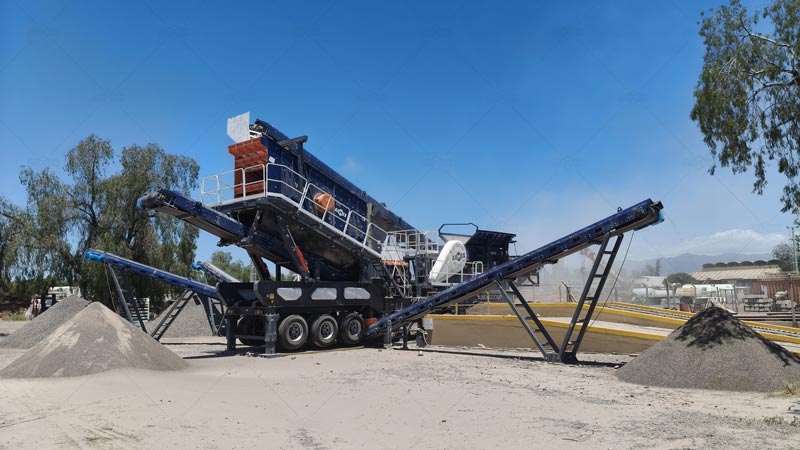
The Case for Upgrading to a Mobile Stone Crusher Plant
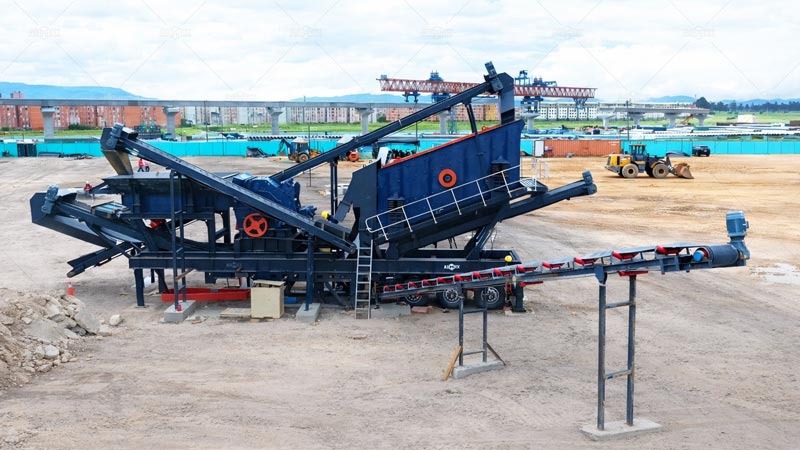
One of the most significant upgrade decisions is whether to replace a stationary aggregate plant with a mobile stone crusher plant configuration. This shift has gained momentum across the industry for several compelling reasons.
Reduced Haulage Costs
In a stationary aggregate plant, blasted rock must be hauled by dump truck from the quarry face to the fixed crusher. As the quarry expands, haul distances increase, adding fuel, tire, and labor costs. A mobile stone crusher plant positioned close to the active face eliminates long hauls. For a quarry with a 2-kilometer haul distance, a mobile stone crusher plant(planta móvil de trituración) can reduce material movement costs by 40 to 60 percent.
Faster Deployment for New Sites
For contractors who operate multiple temporary pits or work on short-term infrastructure projects, a mobile stone crusher plant offers unmatched flexibility. The entire production line can be transported on trailers, set up in days rather than months, and relocated when the deposit is exhausted. This speed allows producers to bid on projects that would be uneconomical with a stationary aggregate plant.
Lower Civil Works Investment
A stationary aggregate plant requires concrete foundations, retaining walls, and often substantial earthmoving. These civil works can add 20 to 35 percent to the total project cost. A mobile stone crusher plant typically operates on a compacted gravel pad with minimal site preparation, significantly reducing upfront investment.
Calculating Return on Investment for an Aggregate Plant Upgrade
A structured ROI analysis helps remove emotion from the decision. Follow these steps to compare your current aggregate plant against an upgraded solution.
Step 1: Document Current Operating Costs
Gather data for the past 12 months on the following categories for your existing aggregate plant:
-
Maintenance labor and parts
-
Consumables (crusher liners, screen media, conveyor belts)
-
Fuel or electricity consumption
-
Downtime losses (estimated revenue lost during breakdowns)
-
Haulage costs from face to crusher
Step 2: Estimate New Equipment Costs
For a proposed upgrade, such as a mobile stone crusher plant, obtain quotes that include:
-
Equipment purchase or lease price
-
Delivery and assembly
-
Operator training
-
Initial spare parts kit
Step 3: Project Annual Savings
Based on manufacturer data and similar installations, estimate annual savings in:
-
Reduced maintenance (typically 25 to 40 percent lower for new equipment)
-
Improved fuel efficiency (15 to 25 percent, especially with electric drives)
-
Lower haulage costs (if switching to a mobile stone crusher plant)
-
Higher saleable tonnage (from better availability and throughput)
Step 4: Calculate Payback Period
Divide the total upgrade investment by the projected annual savings. A payback period of 18 to 30 months is generally considered attractive for aggregate plant upgrades. Payback beyond 42 months may require additional justification, such as meeting new environmental regulations or securing a long-term supply contract.
When Upgrading May Not Be the Right Choice
Despite the benefits, upgrading an aggregate plant is not always the best decision. Several scenarios suggest delaying or avoiding a major capital investment.
Low Utilization of Existing Plant
If your current aggregate plant runs only one shift per day or operates seasonally, the efficiency gains from a new plant may never justify the cost. In this case, targeted upgrades to the most problematic components, such as a new screen or a secondary crusher, may be more practical.
Short Remaining Reserve Life
If your quarry has less than three years of proven reserves remaining, investing in a new mobile stone crusher plant is risky. Consider renting equipment or purchasing a refurbished unit instead.
Uncertain Market Demand
When local construction markets are volatile or major customers are reducing purchases, preserving cash is wiser than committing to an aggregate plant upgrade. Wait for clearer demand signals before proceeding.
Partial Upgrades vs. Full Replacement
Not every upgrade requires a complete replacement of the aggregate plant. A phased approach can deliver meaningful improvements at lower cost.
Crusher-Only Upgrade
Replacing an outdated primary jaw crusher with a modern, more efficient model often increases overall plant throughput by 15 to 25 percent without changing screens or conveyors. This targeted upgrade typically costs 30 to 40 percent of a full aggregate plant replacement.
Automation Addition
Adding sensors, a control system, and automation software to an existing aggregate plant can reduce variability, improve liner life, and lower operator workload. Automation upgrades pay back in 12 to 18 months for most medium-sized plants.
Mobile Conversion
Some stationary plants can be converted to semi-mobile configurations by mounting key components on skids or wheeled frames. This approach captures some mobility benefits without the full cost of a mobile stone crusher plant.
Making the Final Call
Upgrading an aggregate plant is a significant decision that requires honest assessment of current costs, realistic projection of future savings, and clear understanding of market conditions. For many quarry operators, the combination of rising maintenance expenses, tighter product specifications, and competitive pressure makes investment in a modern mobile stone crusher plant not just worthwhile but necessary. However, a blanket recommendation is impossible. Run the numbers for your specific site. Compare a fully stationary aggregate plant, a semi-mobile configuration, and a mobile stone crusher plant. Include all operating costs, not just the purchase price. And remember that the best time to upgrade is before breakdowns begin to cost you customers. By following the structured analysis outlined here, you can make a confident, data-driven decision that serves your business for years to come.