Building high-altitude mountain highways requires a continuous supply of strong, graded aggregate. Transporting raw aggregate from distant urban quarries creates severe logistical challenges on steep mountain passes. Consequently, contractors increasingly prefer to process local stone directly along the active road corridor. This technical guide explains how to select the right equipment for demanding terrain.
Terrain Challenges in Remote Mountain Infrastructure
Operating heavy machinery in mountainous regions introduces unique geographical and climatic difficulties. Traditional quarry equipment requires flat ground and extensive concrete foundations to operate safely. Therefore, managers must choose self-contained units that can travel across rugged surfaces easily.
Overcoming Steep Slopes and Narrow Passes
Narrow mountain roads prevent standard transport trucks from hauling massive stationary parts. Additionally, steep clay slopes become highly slippery during heavy mountain rains.
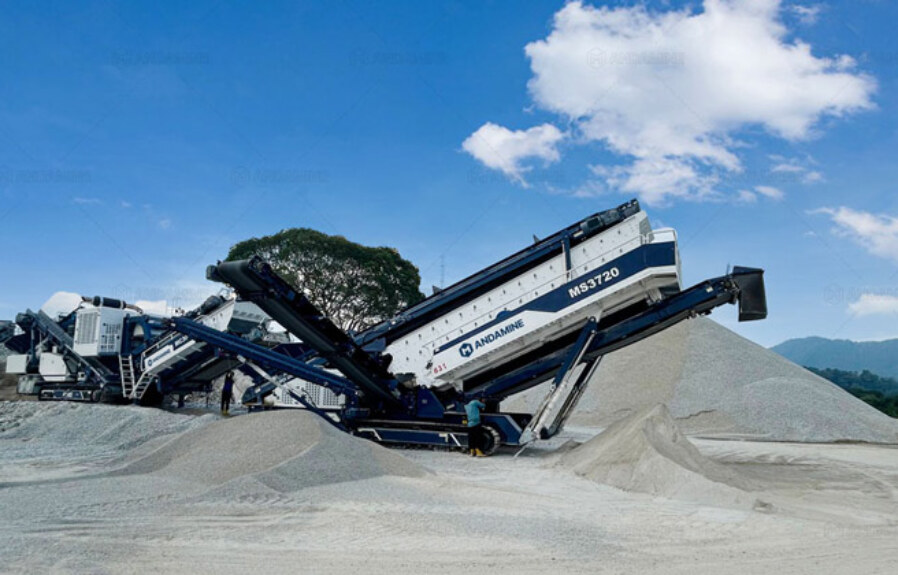
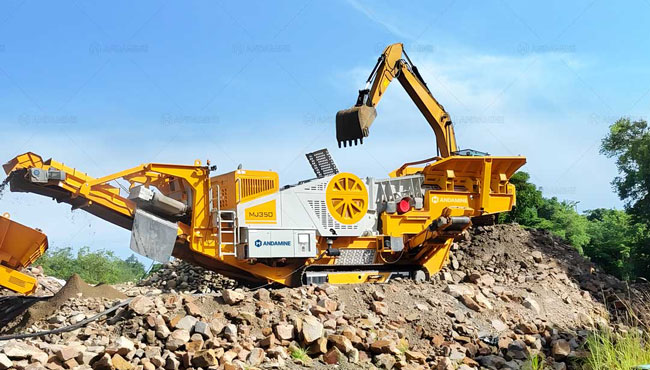
Using highly mobile track crushers resolves these spatial and transport limitations completely. These tracked machines climb steep thirty-degree inclines safely using remote-control steering systems. Thus, operators can position the unit directly at the active blasting face.
Comparing Mobile Track Crushers to Stationary Systems
Contractors often debate between installing a permanent crushing layout and using portable tracked machinery. Both options offer distinct volumetric outputs and structural setups on site. Let us evaluate how these configurations compare under tight project schedules.
Lowering Mobilization and Site Setup Costs
Stationary plants deliver excellent hourly output for long-term quarry operations. However, assembling a massive permanent plant requires several weeks of manual labor. You must also pour expensive concrete foundations to stabilize the heavy jaw plates.
In contrast, mobile track crushers arrive on site fully assembled on flatbed trailers. Your crew can begin processing aggregate within two hours of delivery. This rapid setup saves valuable time and lowers initial mobilization costs.
Evaluating Sourcing Parameters for a Stone Crusher Machine Plant
Procurement officers must look beyond the initial purchase price to evaluate long-term operating costs. Different geological formations require specific crushing forces to fracture stone efficiently. Therefore, matching your machinery configuration to the local rock hardness remains essential.
Selecting Key Components and Operational Capacities
A productive stone crusher machine plant coordinates material feeding, crushing, and screening operations. First, select a heavy-duty primary jaw crusher with a wide feed opening. This opening ensures that large granite boulders do not jam the chamber.
Second, check the engine horsepower specifications to ensure consistent rotor speed under heavy loads. Strong diesel engines maintain high crushing torque even at high altitudes. Ultimately, a balanced machinery layout prevents product waste and maximizes your daily throughput.
Preventive Maintenance for Demanding Mountain Sites
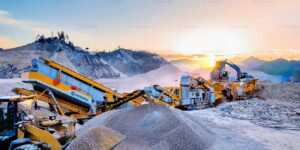
Operating heavy equipment in remote zones means your site sits far away from service centers. If a minor component fails, waiting for spare parts can halt work for days. Therefore, your ground crew must implement a strict daily preventative maintenance routine.
Dust Management and Track Tension Adjustments
First, clean or blow out the engine air filters at the end of every shift. Abrasive granite dust blocks engine air intake and causes the engine to overheat. Second, inspect the crawler track tension and drive sprockets daily.
Correct track tension prevents the machine from slipping on loose rock piles. Third, apply high-quality grease to the main eccentric bearings every single morning. These simple habits keep your machinery running smoothly and lower repair costs.
Strategic Sourcing and Supplier Support
Purchasing heavy aggregate machinery is a major capital investment for growing companies. Therefore, you must evaluate the dealer’s logistics network in addition to the machine specifications. Partnering with a reliable supplier keeps your mountain projects running on schedule.
Verifying Local Spare Parts and Training
Always choose machinery suppliers who maintain robust parts warehouses in your region. Having replacement hydraulic valves and conveyor belts nearby prevents costly project delays. If a component fails, local technical assistance ensures you resume operations quickly.
Additionally, ask about operator training programs before purchasing. Proper operator training reduces mechanical wear and lowers long-term maintenance bills. Ultimately, a reliable partner secures your project timeline.
Conclusion
In summary, localized rock crushing solves steep transport bottlenecks and lowers project expenses. Sourcing a durable mobile unit ensures consistent aggregate production on every shift. Define your daily volume targets clearly before selecting a final equipment model. Ultimately, a strategic asset purchase secures your project timeline and enhances business profits.