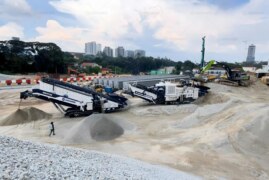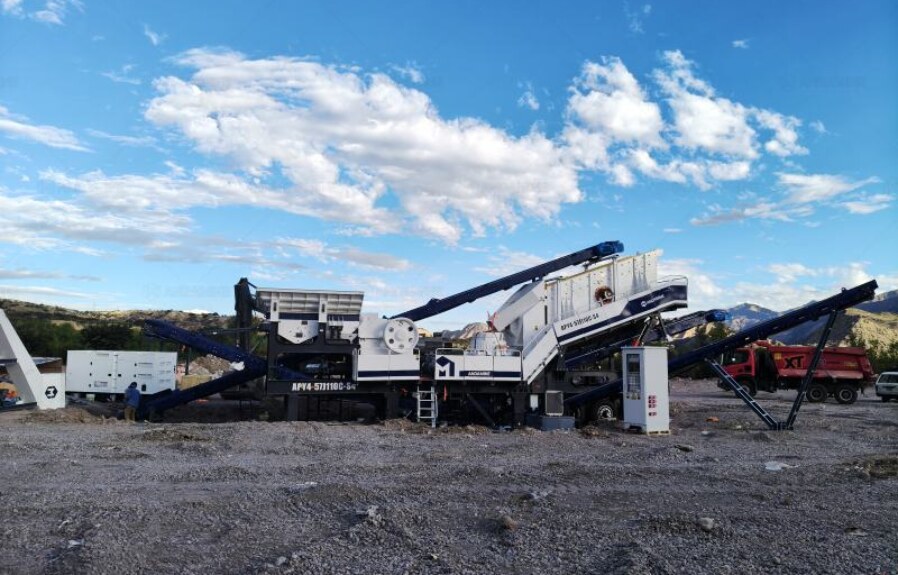
Selecting the right crusher plant in Peru starts with determining the required production capacity. A plant that is too small may create bottlenecks and fail to meet project schedules, while an oversized plant can increase equipment, energy, maintenance, and infrastructure costs without being fully utilized. Peru’s combination of mining, quarrying, road construction, and infrastructure projects creates demand for crushing plants with different capacity levels. Therefore, buyers should evaluate material characteristics, required output, project duration, site conditions, and overall stone crusher plant cost before choosing a configuration.
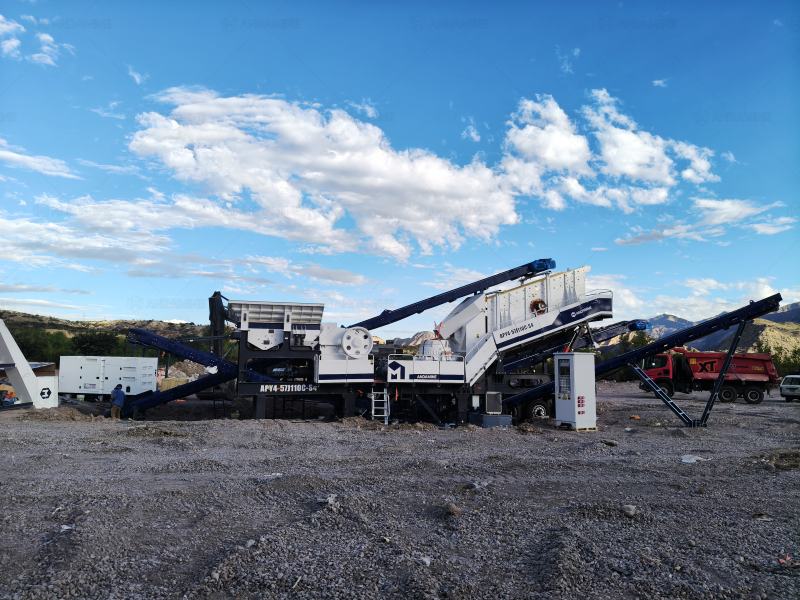
1. Why Capacity Matters When Choosing a Crusher Plant
Crusher capacity is normally expressed in tons per hour (TPH) and represents the amount of material the plant can process under specified conditions. However, the rated capacity should not be treated as the actual production output that will be achieved every hour.
Actual production depends on feed size, material hardness, moisture, crusher type, screening efficiency, feeding consistency, and operating conditions. A 100 TPH plant, for example, may not continuously produce exactly 100 tons every hour. Planned downtime, material changes, maintenance, and downstream limitations can reduce effective output.
For this reason, capacity selection should begin with the project’s realistic production requirement rather than simply choosing the largest available crusher.
2. Estimate Your Daily and Monthly Aggregate Demand
The first practical step is calculating how much aggregate your project needs. Consider the required daily, weekly, and monthly production volumes and identify periods when demand will reach its highest level.
For example, a small quarry supplying local construction projects may only require several hundred tons per day, while a highway or large infrastructure project could require significantly higher production. When calculating capacity, also allow for maintenance, shift changes, weather interruptions, material loading, and other operational downtime. Building a reasonable capacity margin into the plan can prevent production shortages during peak periods.
3. 30–50 TPH: Suitable for Small-Scale Production
A small crusher plant with approximately 30–50 TPH capacity can be suitable for local aggregate production, small quarries, and relatively low-volume construction projects. These systems generally require fewer machines and can have a lower initial investment than larger crushing lines.
For businesses serving nearby customers, a smaller plant can provide a practical balance between production and utilization. There is little benefit in purchasing a 200 TPH system if local demand only supports 30–40 TPH of continuous production.
Mobile configurations can be particularly useful at this capacity because they can be moved between small quarry areas or construction sites. This flexibility can help contractors reduce material transportation and adapt the equipment to changing project locations.
4. 50–100 TPH: A Flexible Medium-Scale Option
A 50–100 TPH crusher plant is often suitable for small and medium commercial aggregate operations. This capacity range can provide enough output for road materials, concrete aggregates, and general construction applications without requiring the infrastructure associated with very large plants.
A 100 TPH crushing line can be configured with primary and secondary crushing equipment to produce several aggregate sizes. For buyers in this range, it is important to determine whether the material requires secondary or tertiary crushing. Hard rock may require a jaw crusher for primary reduction followed by a cone crusher, while softer materials may allow a different configuration.
5. 100–200 TPH: For Larger Commercial Projects
When aggregate demand increases, a 100–200 TPH plant can provide a stronger production base for commercial quarries, infrastructure projects, and large construction operations. However, increasing capacity also means larger feeders, crushers, screens, conveyors, motors, and supporting infrastructure.
At this capacity level, plant design becomes particularly important. A bottleneck in the screening or conveying system can prevent the crusher from achieving its potential output. Therefore, every component should be sized as part of a complete production system.
A typical hard-rock configuration may include a jaw crusher for primary crushing, a cone crusher for secondary crushing, vibrating screens for classification, and conveyors for material transfer. If finer products or manufactured sand are required, a tertiary crushing or shaping stage can be added.
6. 200 TPH and Above: High-Volume Production
Projects requiring more than 200 TPH generally involve large quarries, major infrastructure construction, commercial aggregate supply, or mining-related applications. These plants usually require multiple crushing stages and larger screening systems to achieve the desired product sizes.
For hard rock, a typical configuration may include a primary jaw crusher, secondary cone crusher, vibrating screens, conveyors, and a return circuit. If manufactured sand or finer products are required, a tertiary or VSI crushing stage may also be added.
Higher capacity can improve production economics when the plant is consistently utilized. However, it also increases capital investment and operating costs. Buyers should therefore confirm that the local market or project demand is sufficient to justify the additional capacity.
7. Material Type Should Influence Capacity Selection
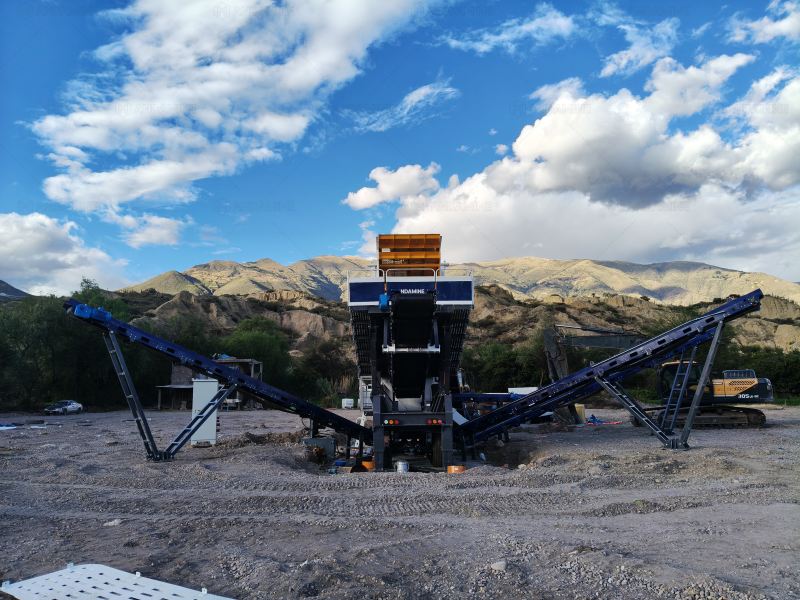
Capacity should never be considered independently of the material being processed. Limestone, river stone, granite, basalt, and metallic ores have different hardness and abrasiveness characteristics. A plant processing hard and abrasive rock may require heavier-duty equipment and more robust wear protection than one processing softer limestone.
For example, granite generally requires a different crushing configuration from limestone even when both plants have the same nominal capacity. This means two 100 TPH plants can have substantially different equipment requirements and investment levels.
The material’s maximum feed size also matters. Larger feed material may require a larger primary crusher, while smaller feed can sometimes reduce the requirements of the primary crushing stage.
8. How Capacity Affects Stone Crusher Plant Cost
Production capacity is one of the major factors affecting stone crusher plant cost, but it is not the only one. A complete plant’s investment depends on the number and type of crushers, screen size, conveyor length, motor power, automation, structural support, electrical systems, and other components.
For example, a 100 TPH limestone plant may use a jaw crusher and impact crusher, while a 100 TPH granite plant may require jaw and cone crushing because of the harder material. Additional manufactured-sand production can require VSI equipment and further screening, increasing the overall investment.
Buyers should therefore compare complete plant configurations rather than comparing capacity numbers alone. A lower-priced plant may have a simpler configuration that cannot achieve the required product specifications, while a properly configured plant may provide better long-term value.
9. Consider Peru’s Site Conditions
Peru’s geography makes site selection particularly important. Crushing projects can operate in coastal areas, mountainous regions, high-altitude mining zones, and remote locations. Transportation access, altitude, available power, water, climate, and terrain can all influence equipment selection and operating costs.
For high-altitude projects, equipment and power systems may require additional consideration because reduced air density can affect engine cooling and available power in diesel-driven equipment. Remote projects may also benefit from mobile crushing systems that reduce the need to transport raw material over long distances.
Conclusion
Choosing the right crusher plant in Peru requires more than selecting a capacity number. Buyers should calculate realistic aggregate demand, analyze peak production requirements, evaluate material characteristics, and consider site conditions before choosing equipment. Small 30–50 TPH plants may be suitable for local operations, while 50–100 TPH systems can serve medium-scale projects, and 100–200 TPH or larger plants are more appropriate for high-volume quarrying and infrastructure applications. At the same time, the stone crusher plant cost should be evaluated as a complete investment, including crushing, screening, conveying, power, installation, maintenance, and operating expenses. A capacity that closely matches actual demand will generally provide a better balance between productivity, utilization, and long-term profitability.