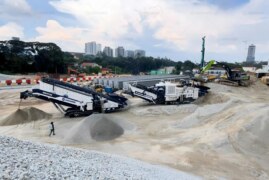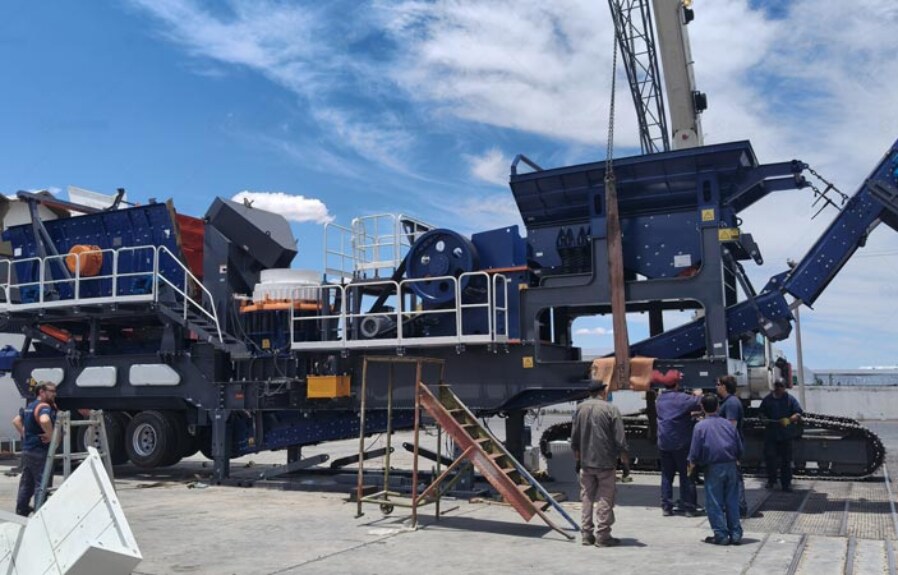
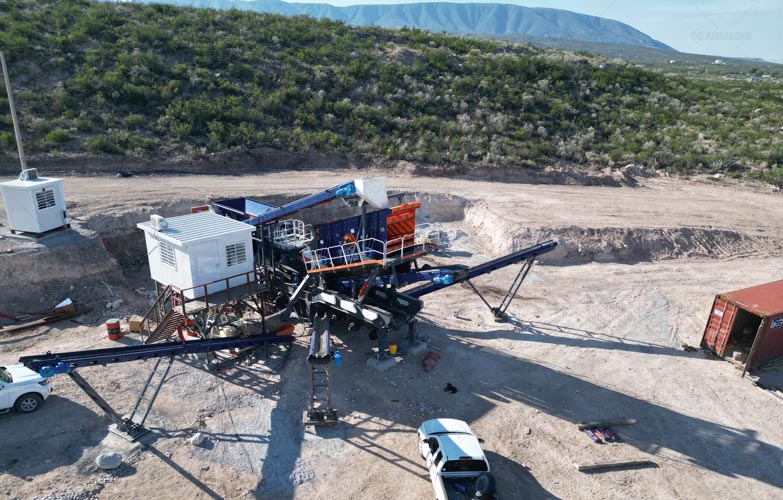
Construction and demolition waste can contain unexpected metal objects, including reinforcing steel bars, iron wire, bolts, and other ferrous debris. When this material enters a crushing line, even a small metal fragment can cause serious damage to downstream equipment. For operators using a mobile stone crushing plant, removing ferrous contaminants before they reach the cone crusher is therefore an essential part of reliable production.
This issue becomes especially important when recycled concrete and mixed construction waste are processed alongside natural rock. A mobile stone crushing plant(planta de trituracion móvil) needs to handle changing feed conditions while maintaining stable crushing performance. A high-intensity magnetic separator rated at 12000Gs can provide an additional protection barrier by attracting and removing ferrous materials before they enter sensitive crushing equipment.
For aggregate producers and contractors evaluating an industrial crusher Chile project, magnetic separation should not be treated as an optional accessory. It can contribute to equipment protection, operational continuity, and safer material handling, particularly when the feed source contains a significant amount of recycled construction material.
Why Reinforcing Steel Is A Crushing Hazard
Reinforcing steel is designed to withstand substantial mechanical forces. That makes it particularly problematic when it accidentally enters a crusher.
A cone crusher relies on controlled compression between the mantle and concave to reduce material size. Long steel bars or tangled wire are not suitable feed material and may become trapped around moving components or interfere with the crushing chamber.
Potential Problems Caused By Ferrous Metal
Metal contamination can result in:
- Damage to crusher liners and internal components
- Blockages at material transfer points
- Unexpected shutdowns
- Increased maintenance requirements
- Reduced crushing efficiency
- Safety risks during manual removal
The risk becomes higher when processing demolition waste because the feed composition can vary significantly from one truckload to another.
How A 12000Gs Magnetic Separator Works
A magnetic separator installed above or near a conveyor creates a strong magnetic field that attracts ferrous objects from the material flow.
The 12000Gs specification indicates a high magnetic field intensity. In practical applications, the separator is positioned where material passes through a controlled zone, allowing ferrous objects to be captured before they continue toward downstream equipment.
Capturing Steel Before It Reaches The Cone Crusher
The operating principle is straightforward:
- Crushed material moves along the conveyor.
- Ferrous objects enter the magnetic field.
- Magnetic force attracts steel particles and larger iron objects.
- The separator lifts the contaminants away from the aggregate stream.
- Cleaned material continues toward the next crushing or screening stage.
The actual separation efficiency depends on factors such as material burden depth, conveyor speed, particle size, steel geometry, and separator installation height. Therefore, a strong magnet alone does not guarantee complete protection.
Where Should The Magnetic Separator Be Installed?
For a mobile stone crushing plant, installation location is an important design consideration. The separator should generally be placed upstream of equipment that could be damaged by ferrous contamination.
If a cone crusher is the main secondary or tertiary crushing unit, positioning the magnetic separator on the feeding conveyor before the crusher provides a protective barrier.
Consider The Conveyor Layout
Operators should evaluate:
- Conveyor width and belt speed
- Material layer thickness
- Distance between the magnet and belt
- Access for cleaning and maintenance
- Discharge direction of captured metal
- Compatibility with the mobile plant structure
An optimized installation allows the separator to remove metal without creating unnecessary material accumulation or disrupting normal aggregate flow.
Why This Matters For Chilean Aggregate Operations
Projects involving an industrial crusher Chile(trituradora industrial Chile) setup may encounter different feed sources, from blasted quarry rock to recycled concrete and mixed demolition materials. Each source presents a different contamination risk.
Natural quarry material usually contains less construction-related steel, while recycled concrete can contain reinforcing bars, tie wire, nails, and other ferrous objects. A crushing plant designed for flexible material sources should therefore consider magnetic separation during the equipment-selection stage.
For contractors operating a mobile stone crushing plant at multiple sites, integrated protection can be particularly valuable because the feed conditions may change when the plant is relocated.
Magnetic Separation Is Not A Replacement For Good Feed Preparation
Although a 12000Gs magnetic separator can provide strong protection, it should work as part of a broader material preparation strategy.
Combine Several Protection Measures
A practical crushing process may include:
- Pre-screening oversized or unsuitable waste
- Manual removal of large visible steel
- Controlled feeding to avoid excessive material depth
- Magnetic separation for ferrous contaminants
- Metal detection or additional separation where required
- Regular inspection of crusher components
This layered approach reduces the probability that large metal objects will reach the cone crusher.
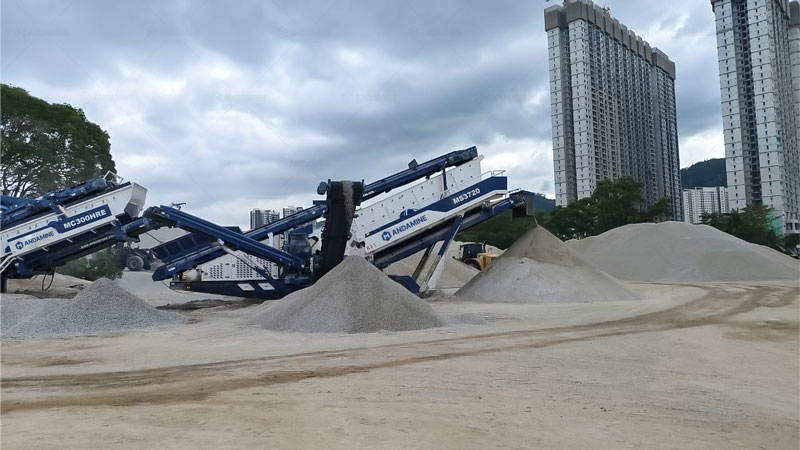
Protecting The Crusher Protects Production
The value of magnetic separation is not limited to preventing one unexpected breakdown. Protecting the cone crusher can help maintain production schedules, reduce unplanned maintenance, and improve the availability of the complete crushing system.
For a mobile stone crushing plant processing construction waste or mixed aggregates, the combination of proper feed preparation and a high-intensity magnetic separator provides a practical defense against ferrous contamination.
When selecting equipment for an industrial crusher Chile application, contractors should therefore evaluate the entire material flow rather than focusing only on crusher capacity. A well-designed protection system can help the crushing plant operate more reliably when the feed material contains the very steel components that the crusher was never designed to process.