Mountain mines offer valuable mineral resources but often create difficult conditions for equipment deployment and ore transportation. Steep slopes, narrow roads, unstable terrain, limited infrastructure, and changing weather can make a conventional crushing plant difficult and expensive to install. An ore crushing plant for a mountain mine therefore needs to be designed around the physical limitations of the site as well as the characteristics of the ore. The objective is not simply to achieve a high crushing capacity, but to create a reliable material flow from extraction through crushing and onward to ore beneficiation.
1. Why Mountain Mines Require a Different Crushing Strategy
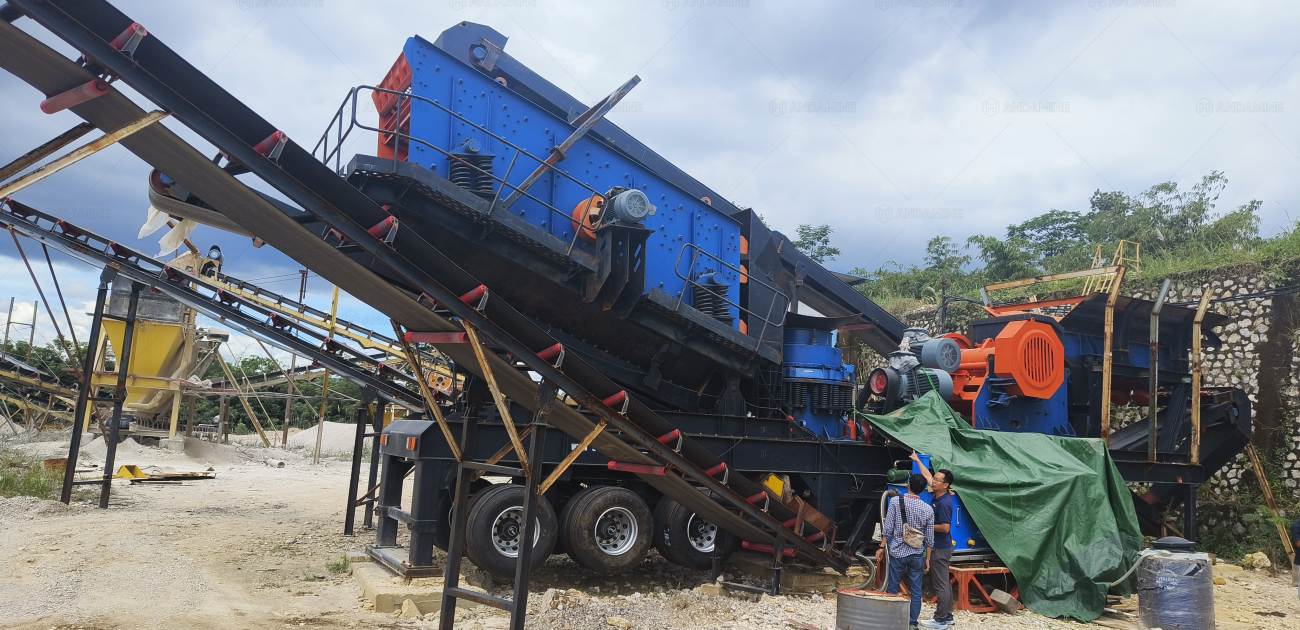
The first challenge is site accessibility. Heavy crushers, screens, feeders, conveyors, and auxiliary equipment may need to travel along narrow mountain roads with sharp turns and steep gradients. Large components that are relatively easy to transport to a conventional quarry may require special vehicles, route preparation, or partial assembly when the mine is located in a remote mountainous region.
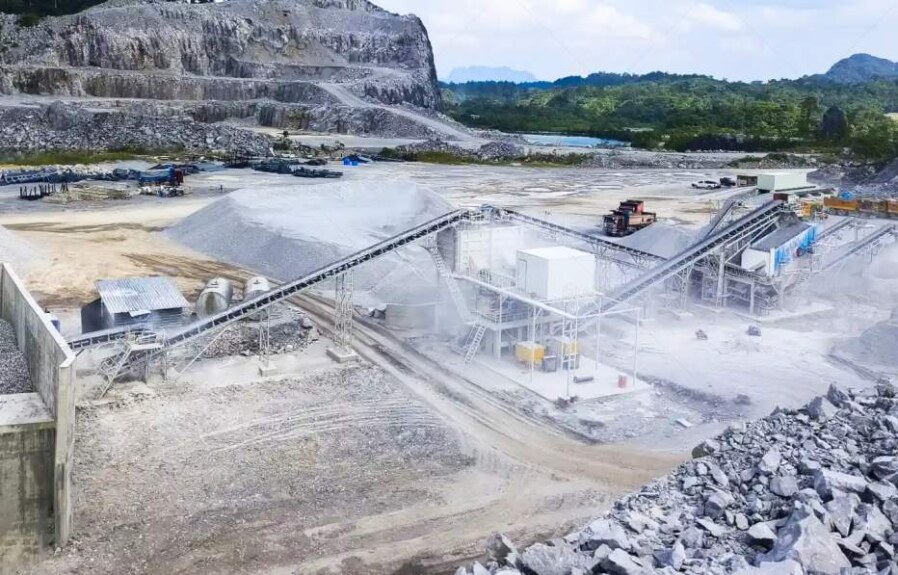
Terrain also affects the plant layout. A flat site allows equipment to be arranged in a relatively compact line, while a mountain mine may have significant elevation differences. Instead of forcing every machine onto one level, engineers can use the natural terrain to create a stepped layout. Material can move between stages by gravity or shorter conveyors, potentially reducing conveying requirements and excavation work.
2. Choosing the Right Plant Location
Selecting the crushing plant location is one of the most important engineering decisions. The plant needs to be close enough to the mining area to limit haulage distances, but it also requires sufficient space for equipment, stockpiles, maintenance, and safe operation. A site that is too close to an unstable slope or geological fault may create long-term operational risks even if it appears convenient during initial construction.
Geotechnical conditions should therefore be evaluated before finalizing the layout. Ground bearing capacity, slope stability, drainage, rainfall, and potential rockfall all influence the location of the crushing equipment. In some projects, substantial foundation preparation may be required, while modular or portable equipment can provide greater flexibility where permanent civil construction is difficult.
3. Managing Ore Transportation on Steep Terrain
Transportation can become one of the largest operating costs at a mountain mine. Hauling run-of-mine ore over long distances from a high-elevation extraction point to a processing facility requires fuel, trucks, road maintenance, and considerable travel time. Installing an ore crushing plant closer to the extraction area can reduce the size of the material before it travels farther downstream.
Primary crushing is particularly valuable in this situation because large run-of-mine rocks can be reduced to a more manageable size. Depending on the project, conveyors may then transport the crushed material toward secondary crushing, stockpiling, or processing facilities. The ideal arrangement depends on the elevation profile and distance between mining and processing areas.
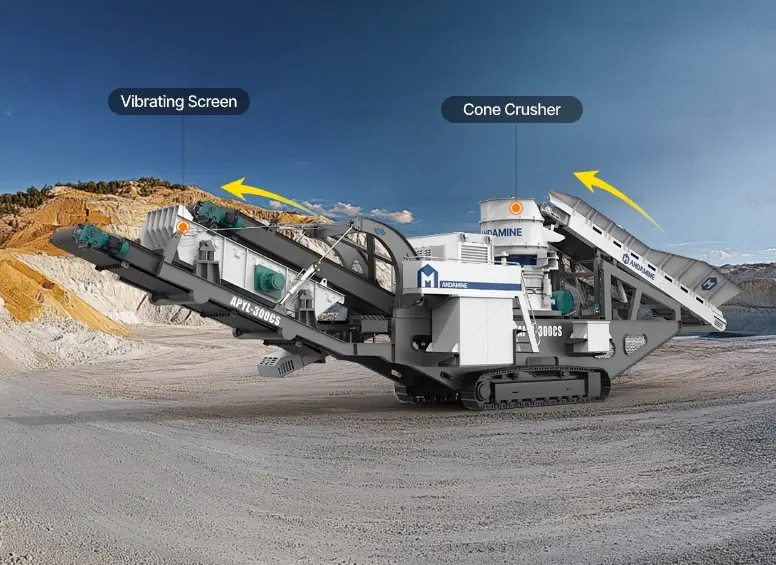
For highly remote operations, a mobile or semi-mobile crushing solution can also be considered. Such equipment may allow the crushing point to move as the active mining area changes, reducing the need for trucks to travel increasingly long distances as extraction progresses.
4. Designing Crushing Stages for Mountain Ore
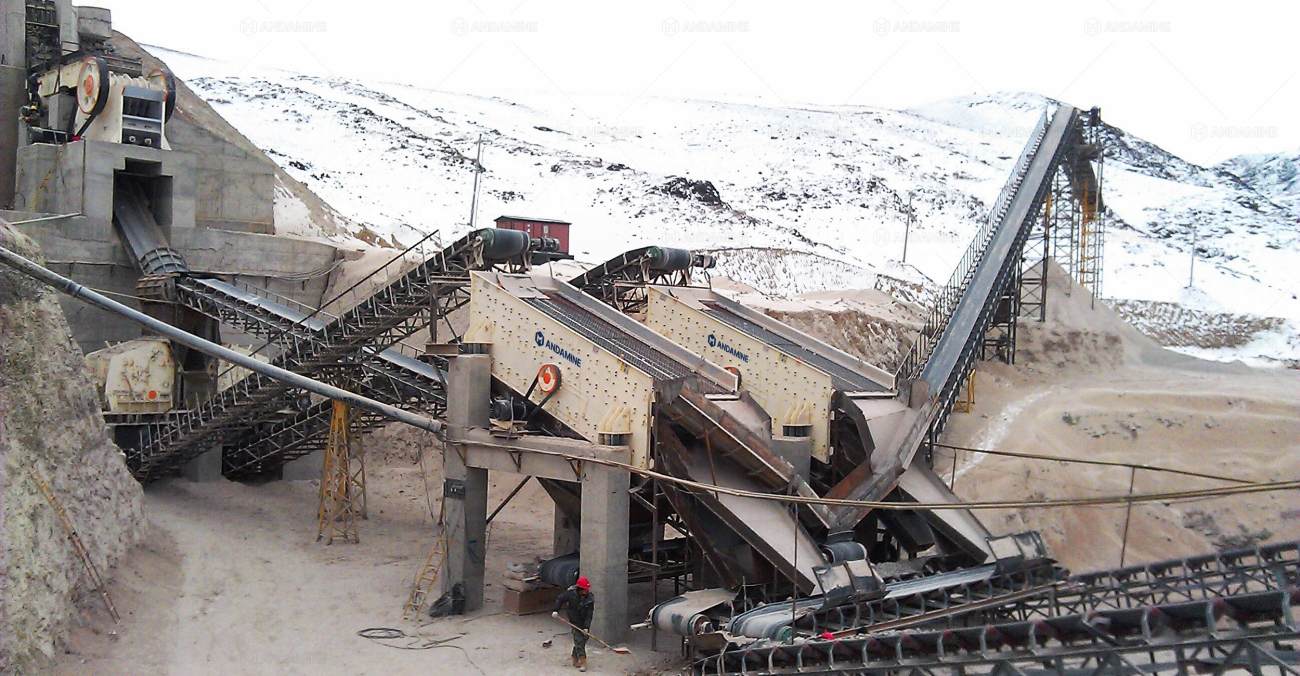
The crushing circuit should be determined by the ore’s characteristics and the required feed size for downstream processing. A jaw crusher is often suitable for primary reduction when large and irregular rocks need to be processed. Secondary and tertiary crushing stages can then reduce the material further and provide more controlled particle sizes.
However, the goal should not be to produce the smallest possible particles. Excessive crushing can increase energy consumption, wear, and the production of unwanted fines. The required product size should instead be established according to the next processing stage and the characteristics of the mineral deposit.
This is especially important when the crushed ore will enter an ore beneficiation process. The crushing plant should provide a suitable particle-size distribution without unnecessarily damaging the economics of downstream separation. The relationship between crushing and beneficiation therefore needs to be considered during the initial plant design rather than treating the crushing circuit as an independent section.
5. Connecting Crushing with Ore Beneficiation
Ore beneficiation aims to improve the concentration or quality of valuable minerals by separating them from unwanted gangue. Crushing prepares the ore for subsequent processes by reducing particle size and helping expose valuable minerals within the rock. However, the required degree of liberation differs between mineral deposits.
If valuable minerals are already sufficiently liberated at a relatively coarse size, excessive crushing may provide little additional benefit. In contrast, finely disseminated minerals may require additional size reduction before effective separation can occur. The ore crushing plant must therefore be matched to the beneficiation flowsheet.
Screening is also important because it controls the size distribution entering downstream equipment. Oversized material can be returned for further crushing, while correctly sized material moves forward. A well-balanced closed circuit can help maintain consistent feed conditions for the beneficiation process.
6. Protecting Production Against Weather and Access Problems
Mountain mines can experience heavy rain, snow, freezing temperatures, landslides, or other weather-related disruptions. These conditions can affect mine roads, electrical systems, feeders, conveyors, and material flow. Drainage and water management are particularly important because uncontrolled runoff can damage roads and interfere with equipment foundations.
The crushing plant should also be designed for maintainability. If a critical component fails and replacement parts require several days to reach a remote mountain site, downtime can become extremely expensive. Easy access to wear parts, sufficient spare components, and practical maintenance areas can therefore have a major effect on production continuity.
7. Balancing Capacity with Actual Mine Conditions
A high-capacity crusher does not automatically create high production. The actual output of a mountain mine may be restricted by drilling and blasting, truck availability, road conditions, stockpile capacity, or downstream beneficiation. Installing a crusher with significantly more capacity than the rest of the system can result in unnecessary investment.
Instead, engineers should evaluate the complete production chain. The expected mining rate, ore variability, operating hours, transportation distance, final product size, and downstream processing capacity should all influence the crushing plant specification. This system-based approach helps ensure that the crusher, screening equipment, conveyors, and stockpiles operate at compatible rates.
Conclusion
An ore crushing plant for a mountain mine must solve more than a size-reduction problem. Access routes, terrain, transportation distance, weather, plant location, equipment mobility, and downstream processing all influence the final design. By placing crushing closer to extraction, optimizing material transport, and matching particle size requirements with ore beneficiation, a well-designed plant can reduce logistical pressure while maintaining stable production. For challenging mountain operations, successful crushing is ultimately about designing the entire material flow around the realities of the mine rather than selecting equipment based on capacity alone.