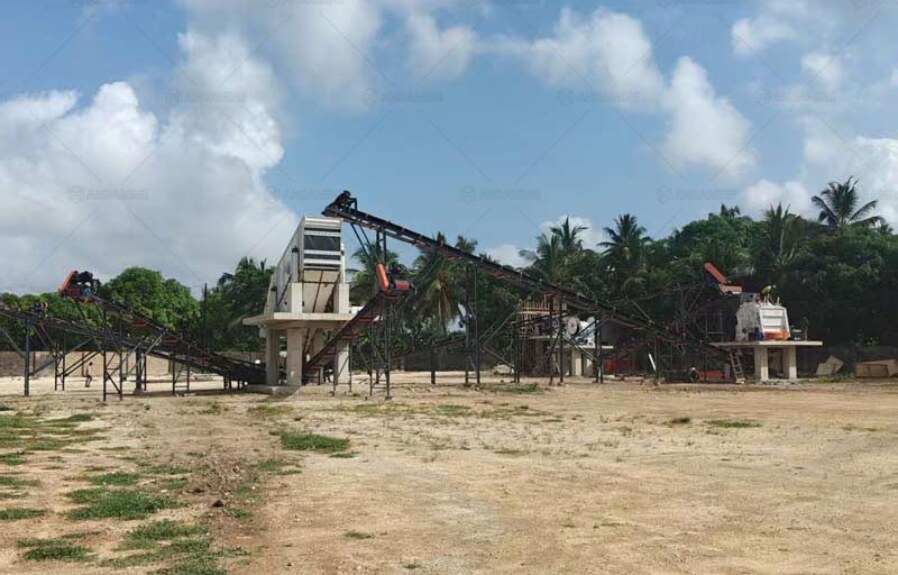
In quarrying and mining operations, equipment selection is not only about production capacity but also about how efficiently the machine can process different types of raw materials. The crushing chamber design is one of the most important factors that determines whether an aggregate production system can achieve stable output, controlled particle size, and consistent product quality. For companies investing in an aggregate crushing plant, understanding the relationship between chamber design and crushing performance helps reduce operating costs and improve long-term profitability.
The crushing chamber is the area where raw materials are compressed, impacted, or ground between different crushing components. Its geometry, feed opening, cavity shape, and wear parts directly influence the crushing process. Whether a project uses jaw crushers, cone crushers, or impact crushers, an optimized chamber design allows the machine to achieve higher efficiency and better finished aggregate quality.

The Role of Crushing Chamber Design in Aggregate Production
A well-designed crushing chamber controls how materials enter, move through, and leave the crusher. If the chamber structure does not match the characteristics of the feed material, problems such as uneven crushing, excessive fines, low capacity, and accelerated wear may occur.
In an aggregate crushing plant(planta chancadora de áridos), engineers usually consider several key factors when designing or selecting crushing equipment:
- Material hardness and abrasiveness
- Maximum feed size
- Required output capacity
- Target product shape and size distribution
- Moisture content and material characteristics
For example, hard and abrasive rocks such as granite or basalt require a chamber design that improves compression efficiency and reduces unnecessary impact on wear components. Softer materials may require a different approach to avoid generating too much powder during crushing.
How Different Crusher Chambers Influence Performance
Different types of crushers use different chamber structures, and each design creates a unique crushing effect.
Jaw Crusher Chamber Design
Jaw crushers mainly use compression force between a fixed jaw and a movable jaw. The crushing chamber is usually designed with a wider feed opening at the top and a narrower discharge opening at the bottom.
A properly optimized jaw crusher chamber provides several advantages:
- Better material intake and fewer blockages
- More uniform crushing pressure
- Improved first-stage reduction efficiency
- Lower energy consumption per ton of material
The angle between the jaw plates, the movement pattern of the swing jaw, and the cavity depth all affect the final performance. If the chamber is too shallow, large rocks may not be effectively broken. If it is too deep, material flow may become slower and reduce capacity.
Cone Crusher Chamber Design
Cone crusher chambers are especially important for secondary and tertiary crushing stages. The cavity profile determines how materials are compressed and shaped between the mantle and concave.
Different chamber types are designed for different applications:
- Coarse chambers for larger feed sizes and higher throughput
- Medium chambers for balanced capacity and particle size control
- Fine chambers for producing smaller aggregates
A suitable cone crusher chamber improves particle shape by creating multiple compression points. This is particularly valuable for producing high-quality aggregates used in concrete and asphalt applications. Many customers searching for solutions such as a stone crusher Chile(chancadora de piedra Chile) project require equipment that can maintain stable production under demanding quarry conditions.
Crushing Chamber Design And Finished Product Quality
Output volume is only one measure of crushing performance. For modern aggregate producers, product quality is equally important because particle shape and size distribution directly affect downstream applications.
An optimized chamber design helps achieve:
Better Particle Shape
The crushing process influences whether aggregate particles become flaky, elongated, or cubic. Compression-based crushing with a suitable chamber profile usually produces more desirable shapes for construction materials.
More Stable Size Distribution
A consistent crushing cavity allows materials to remain in the crushing zone longer when necessary, improving reduction efficiency and reducing oversized particles.
Lower Percentage Of Unwanted Fines
If crushing forces are too concentrated, excessive powder may be generated. Proper chamber geometry balances reduction and material protection, especially when processing brittle stone.
Factors To Consider When Choosing Crushing Equipment
Selecting the right crushing chamber requires more than checking the machine capacity listed in a specification sheet. Quarry operators should evaluate actual working conditions before making a decision.
Important considerations include:
Raw Material Characteristics
Different rocks respond differently to crushing forces. Granite, limestone, river stone, and recycled concrete may require different chamber configurations.
Production Requirements
A large-scale quarry producing thousands of tons per day may prioritize throughput, while a smaller operation may focus more on flexibility and product quality.
Maintenance And Operating Costs
A good chamber design should also extend wear part life. Frequent replacement of liners and crusher components can significantly increase production costs.
For this reason, professional equipment suppliers often customize crusher configurations based on the complete production process rather than recommending a single standard model.
Improving Crushing Efficiency Through Proper Chamber Optimization
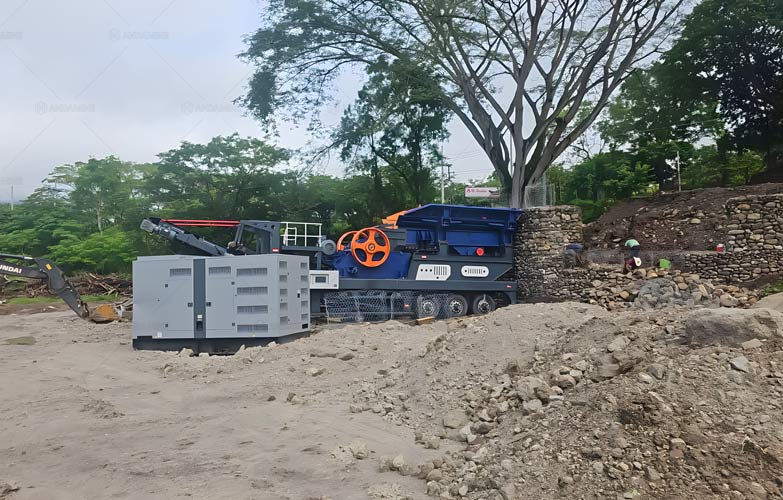
Modern crushing systems increasingly use advanced simulation methods and operational data to improve chamber performance. By analyzing material movement, pressure distribution, and wear patterns, manufacturers can optimize cavity profiles for specific applications.
In an aggregate crushing plant, the combination of suitable crusher type, correct chamber design, and proper operating parameters creates a more efficient production process. Operators can achieve higher productivity while maintaining consistent aggregate quality.
Building A More Efficient Aggregate Production System
The crushing chamber is a core element that connects equipment design with real production results. A properly configured chamber improves material flow, increases output, controls product size, and reduces unnecessary operating expenses.
For quarry and mining companies, choosing crushing equipment based on chamber performance rather than only equipment price can lead to better long-term results. With the right design and configuration, crushing systems can provide reliable performance for demanding aggregate production environments.