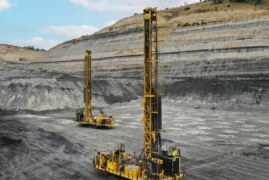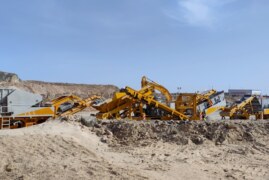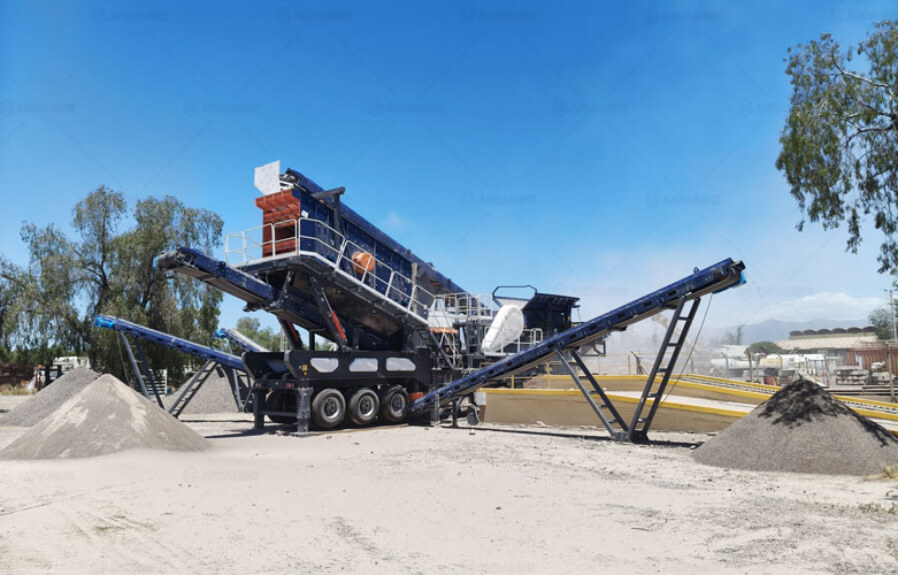
Calculating aggregate production is essential for planning quarry output, equipment utilization, and operating costs. A stone crushing plant may have a nominal capacity such as 100 or 200 t/h, but actual production depends on operating hours, material characteristics, crusher settings, and downtime. Using realistic production data gives contractors and quarry operators a more reliable estimate of daily and monthly output.
What Determines Aggregate Production?
The basic production calculation is simple:
Actual production = Rated capacity × Effective operating hours × Utilization rate
For example, a crusher rated at 150 t/h operating for 8 hours with an 80% utilization rate would theoretically produce:
150 × 8 × 0.80 = 960 tonnes/day
This calculation provides a starting point, but a complete evaluation of an aggregate plant should also consider the characteristics of the material and the entire crushing and screening process.
Rated Capacity vs. Actual Capacity
The capacity shown in equipment specifications is usually based on defined operating conditions. Actual production can be lower because of irregular feeding, equipment adjustments, material changes, or interruptions.
For project planning, it is better to use an expected utilization rate rather than assuming the crusher will operate at maximum capacity throughout the entire shift.
How Does Feed Material Affect Output?
The characteristics of the feed material have a direct effect on crushing performance. Hard and abrasive rocks generally require more energy and may reduce throughput compared with softer materials.
Before estimating production, collect information about:
- Rock type and hardness
- Maximum feed size
- Moisture content
- Material density
- Abrasiveness
- Clay or fine material content
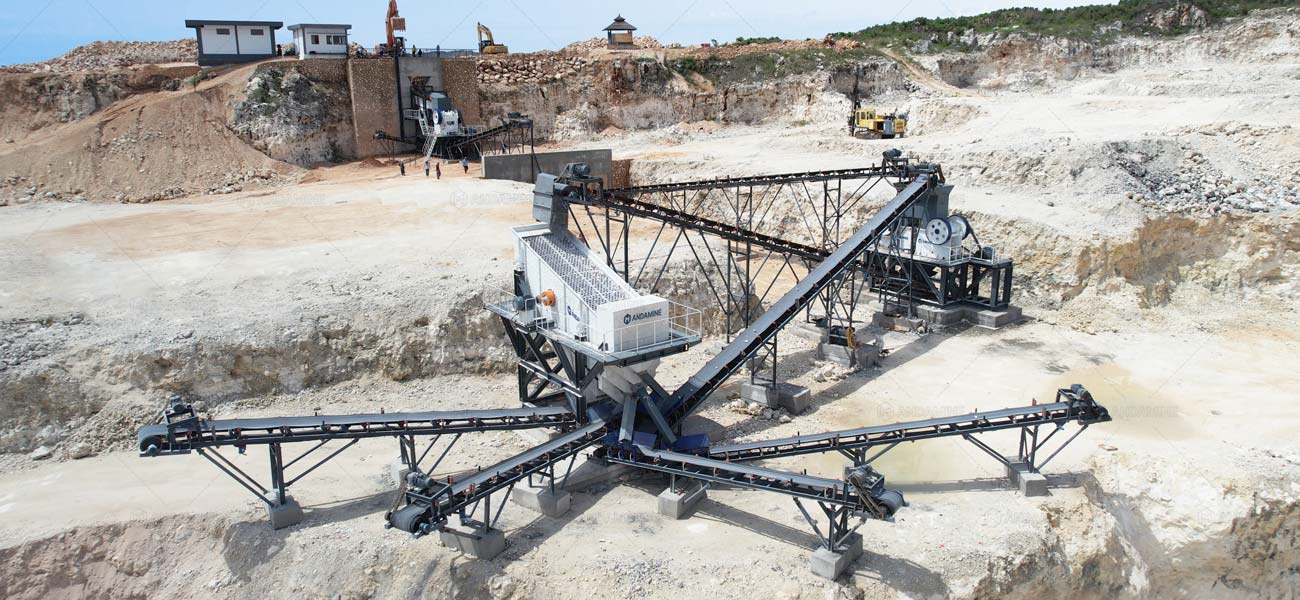
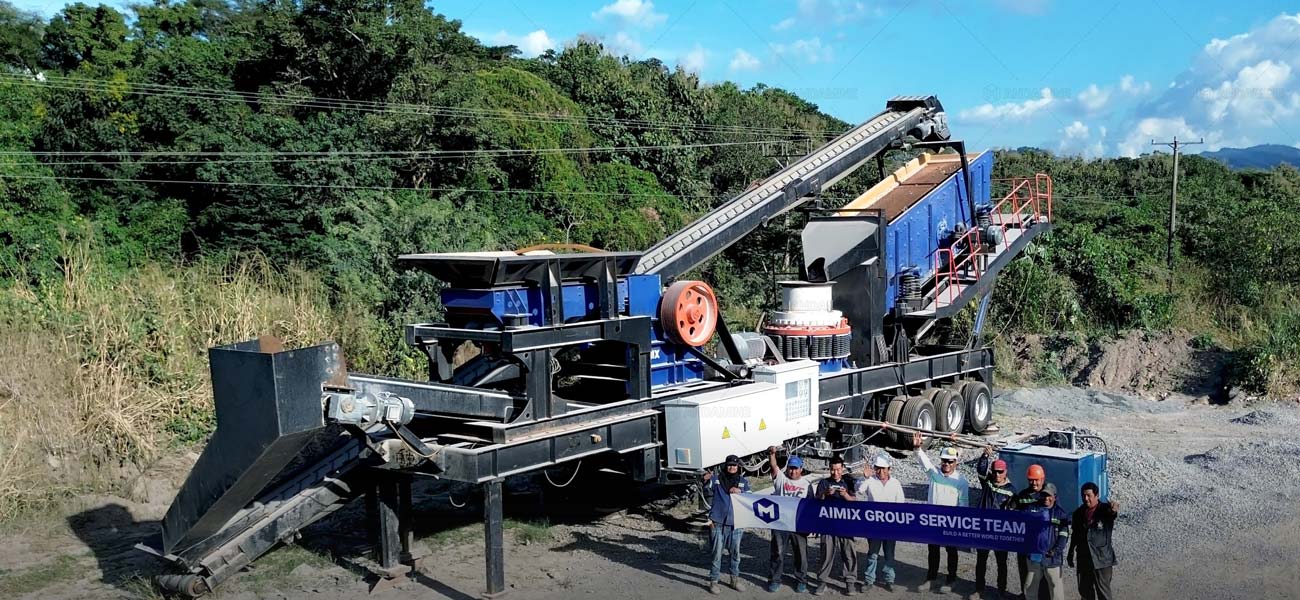
A consistent feed can help the stone crushing plant(planta trituradora de piedra) operate closer to its expected production rate. Oversized rocks, excessive fines, or sticky material can create blockages and reduce effective throughput.
Calculate Production Through Each Crushing Stage
A complete crushing system normally includes several stages rather than a single crusher. The primary crusher reduces large rocks, while secondary and tertiary equipment further reduces the material to the required sizes.
Identify The Process Bottleneck
The total production of the system is generally limited by its bottleneck rather than simply the capacity of the largest crusher.
For example, if the primary crusher can process 200 t/h but the screening section can handle only 150 t/h under the required configuration, the practical plant output cannot be planned around 200 t/h.
The calculation should therefore consider:
Plant output ≈ Capacity of the limiting process stage × Effective utilization
This approach helps identify where additional equipment or process adjustments may be necessary.
How Should Screening Efficiency Be Included?
Crushing and screening work together. The crusher reduces material size, while screens separate the material into different product fractions.
If the screen is overloaded, material may need to circulate through the crushing circuit multiple times. This increases recirculation and can reduce the amount of finished aggregate produced per hour.
Track Final Product Output
Instead of measuring only the material entering the crusher, operators should record the quantity of finished products leaving the plant.
For example, a plant may produce:
- 0–5 mm manufactured sand
- 5–10 mm aggregate
- 10–20 mm aggregate
- 20–30 mm aggregate
The combined weight of these saleable products represents the useful aggregate output. Oversize material returned to the crusher should not be counted as new production.
How Do Operating Hours Change Daily Output?
Working hours and effective operating hours are not always the same.
A plant scheduled for a 10-hour shift may lose production time because of:
- Equipment inspection
- Lubrication and maintenance
- Material loading interruptions
- Screen cleaning
- Crusher blockages
- Belt adjustments
- Product changeovers
If a plant operates for 10 hours but only achieves 8 effective production hours, the production calculation should use 8 hours.
For a 180 t/h stone crushing plant:
180 × 8 = 1,440 tonnes/day
If the plant works 26 days per month:
1,440 × 26 = 37,440 tonnes/month
This provides a more practical planning figure than simply multiplying rated capacity by the calendar working hours.
How Can You Improve Aggregate Plant Production?
Once actual production is measured, operators can identify the main causes of lost output.
Improve Feed Consistency
The feeder should provide a stable flow of material to the crusher. Uneven feeding can cause periods of overload followed by underutilization.
Optimize Crusher Settings
Crusher CSS, rotor speed, chamber configuration, and other operating parameters affect both throughput and product gradation. Changes should be made according to the manufacturer’s operating recommendations and the required final product.
Monitor Wear Parts
Worn jaw plates, blow bars, mantles, or other crushing components can affect crushing efficiency and product shape. Regular inspections help prevent performance deterioration.
Use Production Data For Better Planning
A reliable production estimate should combine rated equipment capacity with effective operating hours, utilization, feed characteristics, crushing-stage capacity, and screening performance.
For an aggregate plant(planta de agregados), the most useful KPI is not simply how much material enters the system. Operators should track tonnes of saleable aggregate produced per operating hour, together with downtime and recirculation.
By comparing actual production with the theoretical capacity of the stone crushing plant, quarry operators can identify bottlenecks and adjust feeding, crushing, screening, and maintenance practices. This makes production planning more accurate and provides a stronger basis for estimating project costs and aggregate supply capacity.