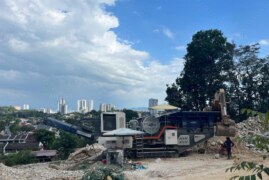

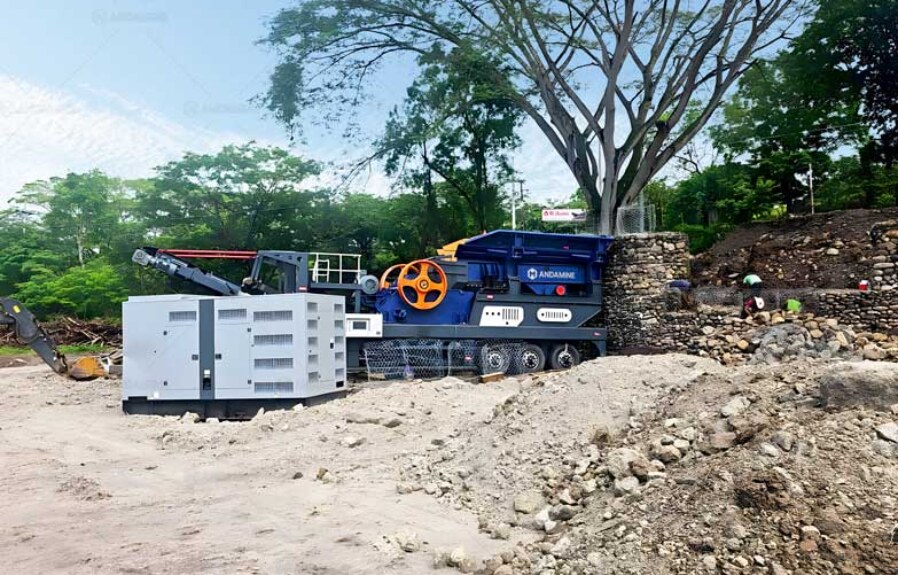
Operating heavy aggregate machinery demands constant vigilance, as high-energy mechanical forces and unpredictable rock behavior create severe workplace hazards every shift. Beyond basic personal protective equipment, modern quarry managers must address hidden operational blind spots—ranging from stored hydraulic energy during maintenance to silica dust migration around mobile tracks. Implementing a proactive safety framework across your stone crushing plant not only protects personnel from life-altering injuries but also prevents catastrophic equipment breakdowns and costly regulatory shutdowns.
Stored Energy and Jam Clearing Hazards
One of the most frequent causes of severe accidents in aggregate production occurs when operators attempt to clear bridged boulders inside a primary chamber without properly isolating power sources. Relying solely on an emergency stop button leaves lethal kinetic and hydraulic energy trapped inside the system.
Strict Lockout/Tagout (LOTO) Protocols
Before any technician approaches the feed hopper or crushing chamber of a mining crusher, zero-energy verification must be enforced.
- Kinetic Flywheel Restraint: Heavy eccentric shafts and flywheels continue spinning for several minutes after power disconnection. Always wait for complete mechanical cessation and apply physical flywheel locks before removing guarding.
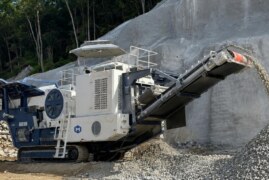
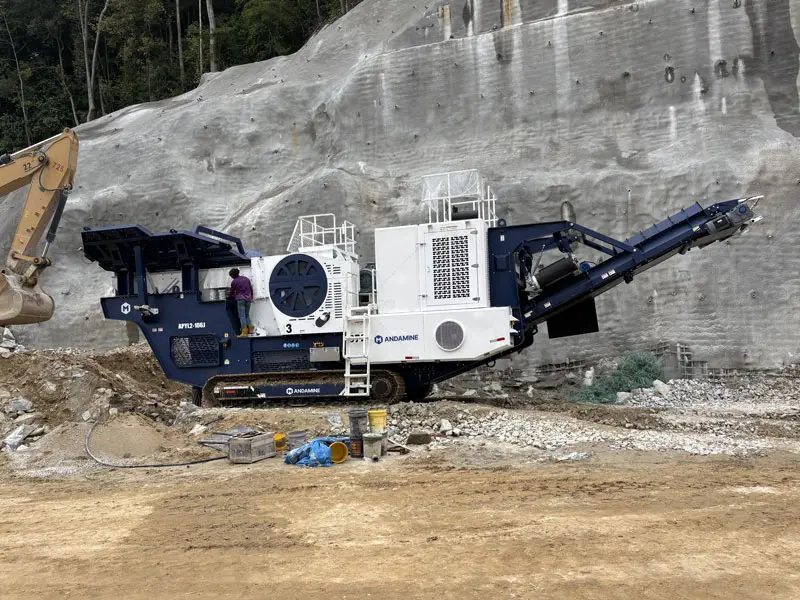
- Hydraulic Pressure Bleed: Modern tracked units rely on high-pressure accumulators. Operators working on an APYL2-106J tracked jaw crusher plant must bleed residual hydraulic pressure and verify zero gauge readings prior to opening inspection hatches.
Remote Jam-Clearing Alternatives
- Hydraulic Rock Breakers: Installing a pedestal boom with a hydraulic hammer eliminates the dangerous practice of workers climbing into hoppers with pry bars or explosives.
- Reversible Jaw Drives: Utilizing models equipped with automated reverse-crushing functions allows operators to safely dislodge oversized granite blocks from inside a protected control cabin.
Structural Stability and Ground Conditions for Tracked Units
Unlike stationary installations anchored to reinforced concrete foundations, mobile equipment faces dynamic ground shifts, vibration-induced sinking, and slope instability during relocation and active crushing.
Site Preparation and Bench Grading
- Load-Bearing Verification: Even a well-balanced APYL2-106J tracked jaw crusher plant exerts massive ground pressure during peak crushing cycles. Always compact the pad surface and clear loose overburden to prevent uneven track settlement.
- Safe Distance from Highwalls: Position your stone crushing plant(planta chancadora de piedra) well outside the potential rockfall trajectory of active blasting benches, establishing clear berms to block rolling debris.
Safe Tramming and Relocation Procedures
- Line-of-Sight Spotters: Blind spots around wide tracks and discharge conveyors are substantial. Mandate dedicated ground spotters using two-way radios whenever relocating a mining crusher between quarry levels.
- Slope Gradient Limits: Never exceed the manufacturer’s maximum incline rating during transport, and always retract hydraulic support legs fully before engaging track drives.
Conveyor Pinch Points and Respirable Dust Control
Auxiliary material-handling systems and airborne particulates represent chronic safety threats that require engineered barriers rather than simple warning signs.
Mechanical Guarding on Transfer Points
Nip-Point Isolation
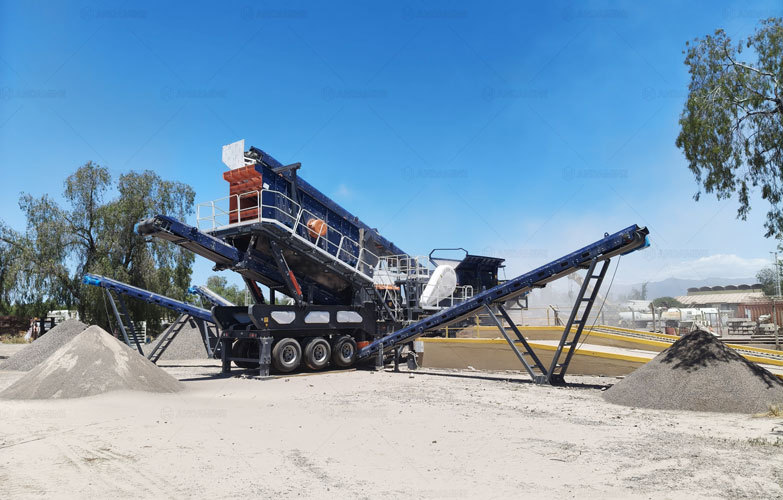
Tail pulleys, head drums, and troughing idlers on a high-capacity stone crushing plant must feature bolt-on mesh guards extending at least one meter from pinch zones. Guarding should require specialized tools for removal so it cannot be casually bypassed during shifts.
Emergency Pull-Cord Systems
Install continuous trip-wire switches along both sides of all accessible conveyor walkways, ensuring operators can immediately halt belt motion from any standing position.
Engineering Out Silica Exposure
- Pressurized Cabin Filtration: Equip control stations with HEPA-filtered positive-pressure air systems to shield operators from respirable crystalline silica generated by any mining crusher(chancadora minería).
- Targeted Mist Suppression: Deploy high-pressure water fogging nozzles directly at the jaw discharge chute and conveyor transfer points, where dust generation peaks without over-wetting the aggregate screening media.
Building a Resilient Quarry Safety Culture
True operational safety relies on combining smart machine features with disciplined daily habits. By enforcing strict energy isolation, maintaining stable operating pads for mobile equipment like an APYL2-106J tracked jaw crusher plant(APYL2-106J planta trituradora de mandíbulas sobre orugas), and upgrading dust and conveyor guarding across your entire stone crushing plant, your team can achieve uninterrupted productivity while ensuring every worker returns home safely.