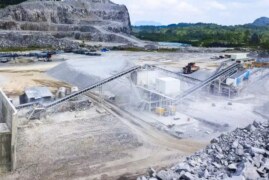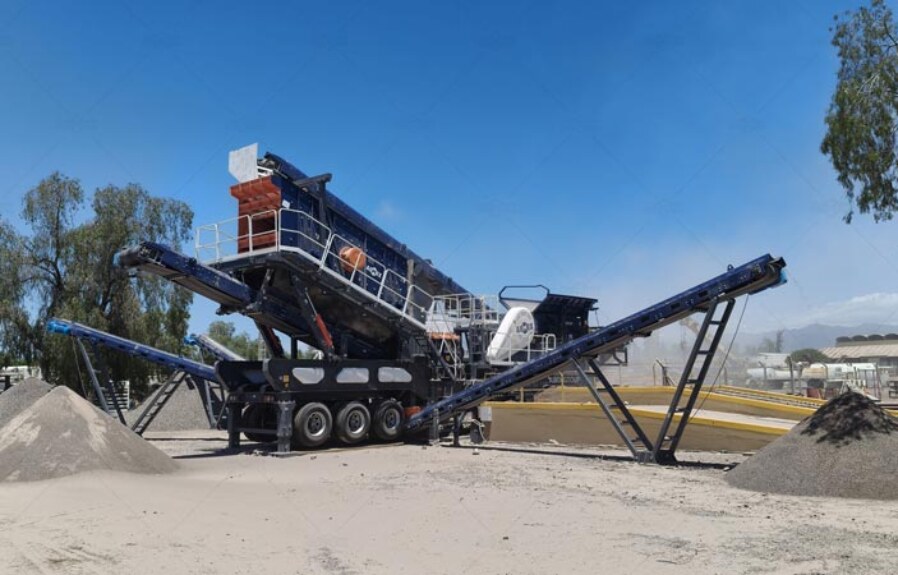
Processing highly abrasive ores such as granite, quartzite, or basalt presents a formidable challenge to any crushing operation. The intense friction and impact associated with these materials can lead to rapid wear and tear, significantly shortening the operational life of heavy machinery. For operators who have recently invested in a mobile stone crusher for sale, protecting that investment through a rigorous maintenance and protection strategy is essential. A well-managed stone crusher plant must balance high output with the preservation of its mechanical integrity. By understanding the specific wear patterns of abrasive minerals and implementing targeted engineering solutions, producers can ensure their equipment remains productive for years, even in the harshest environments.
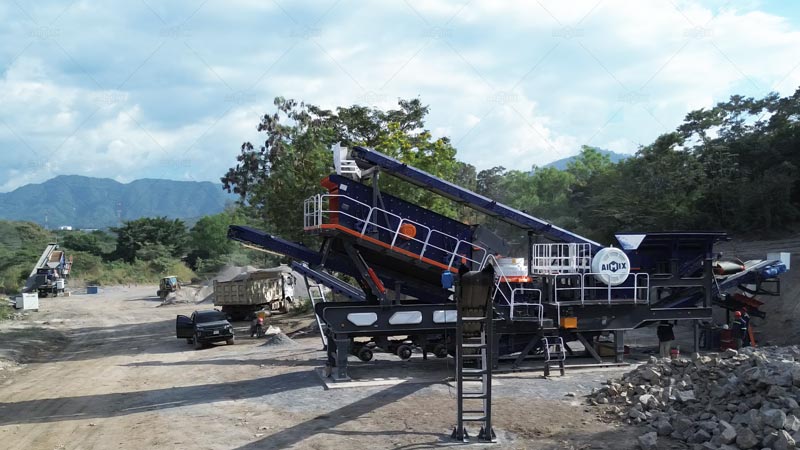
Selecting the Right Metallurgy for Wear Components
The first line of defense against abrasive wear is the material science behind the liners and mantles. When managing a stone crusher plant, it is vital to match the metallurgy of the wear parts to the specific characteristics of the ore being processed.
For high-abrasion applications, high-manganese steel is often the standard choice because of its “work-hardening” properties. As the abrasive rock strikes the surface, the outer layer of the steel becomes harder and more resistant to further wear. However, if you are browsing a mobile stone crusher for sale(vendo trituradora de piedra móvil) with the intent to process extremely hard silica-rich rock, you might also consider ceramic-insert blow bars or premium alloy liners. These specialized materials provide a much longer service life compared to standard castings, reducing the frequency of shutdowns for parts replacement.
Optimizing Feed Control and Chamber Loading
Lifespan is not just about the quality of the steel; it is about how the material enters the machine. Uneven feeding is one of the most common causes of premature failure in a stone crusher plant.
The Impact of Choke Feeding
To minimize wear, a mobile stone crusher for sale should ideally be “choke fed.” This means maintaining a consistent level of material in the crushing chamber. When the chamber is full, the stones crush against each other rather than directly against the metal liners—a process known as inter-particle crushing. This not only improves the grain shape of the aggregate but also acts as a natural shield for the machine’s internal components, effectively extending the intervals between liner changes.
Pre-Screening and Fines Removal
Highly abrasive ores often contain a significant amount of “fines” or smaller particles that do not need to be crushed. If these fines enter the primary chamber of your stone crusher plant, they act like sandpaper, accelerating the wear on the liners without contributing to the production volume. Utilizing a vibrating grizzly feeder on your mobile stone crusher for sale allows these fines to bypass the crushing stage entirely. This reduces the total volume of material passing through the wear zone, directly proportional to an increase in the machine’s lifespan.
Rigorous Lubrication and Contamination Control
In a mobile stone crusher for sale, the internal bearings and drive systems are the “heart” of the operation. Abrasive dust is the primary enemy of these precision components. If even a small amount of silica dust penetrates the lubrication system of a stone crusher plant(planta de trituración), it can lead to catastrophic bearing failure within hours.
Implementing Advanced Sealing Systems
Modern mobile units are often equipped with positive-pressure seals and advanced filtration systems. It is crucial to inspect these seals daily. For a stone crusher plant operating in dry, dusty Andean or desert environments, the use of high-quality synthetic lubricants with high thermal stability is recommended. These lubricants maintain their viscosity even when the equipment is running at peak capacity, providing a consistent protective film over moving parts.
Routine Oil Analysis
Proactive operators don’t wait for a breakdown to check their oil. By performing regular oil analysis, you can detect microscopic metal shavings or chemical changes that signal internal wear. This data-driven approach allows you to replace a bearing during a scheduled break rather than dealing with a sudden, expensive failure in the middle of a high-priority contract.
Structural Integrity and Vibration Management
The constant vibration of crushing abrasive rock can lead to structural fatigue in the frame of the stone crusher plant. Ensuring that the mobile unit is properly leveled and stabilized is a simple but often overlooked step in extending its life.
Regular Bolting and Frame Inspections
The high-frequency vibrations inherent in a mobile stone crusher for sale can loosen even the most heavy-duty bolts over time. A weekly inspection of the motor mounts, conveyor supports, and chassis bolts is essential. Any localized cracking in the weldments of the stone crusher plant should be repaired immediately by a certified welder to prevent the stress from spreading through the entire frame.
Balancing the Rotor and Eccentric
For impact-style units, an imbalanced rotor is a death sentence for the main bearings. When replacing blow bars, always ensure they are replaced in balanced sets. In a cone-style stone crusher plant, ensuring the eccentric throw is correctly calibrated prevents uneven pressure on the bushings. These micro-adjustments ensure that the energy of the machine is spent on breaking the rock, not on shaking the machine to pieces.
Building a Culture of Preventative Maintenance
The ultimate factor in equipment longevity is the human element. Whether you are operating a single mobile stone crusher for sale or a fleet of machines, a disciplined maintenance culture is your most profitable asset.
Training operators to listen for unusual sounds or monitor temperature gauges allows for early intervention. A stone crusher plant that is treated as a precision instrument rather than just a piece of heavy iron will always yield a higher return on investment. By combining the right wear-resistant materials, intelligent feeding strategies, and a strict lubrication regime, you can turn the challenge of abrasive ore into a manageable and highly profitable part of your business. In the long run, the time spent on prevention is far less than the time lost to repairs, ensuring your equipment remains at the forefront of infrastructure development for its entire intended lifespan.