Construction in Peru’s mountain regions presents a unique combination of engineering challenges, including steep terrain, limited accessibility, narrow roads, and rapidly changing weather conditions. As infrastructure development continues across the Andes, contractors are searching for equipment that can improve concrete placement efficiency while adapting to difficult jobsite environments. Traditional concrete transportation methods often struggle in high-altitude areas where space limitations and complex layouts make direct pouring impractical.
Concrete line pumps are becoming an increasingly important solution for these demanding projects. Their flexible pipeline systems, compact structure, and ability to deliver concrete over long distances make them suitable for mountainous construction sites such as bridges, tunnels, retaining walls, hydropower facilities, and remote residential developments. By reducing manual handling and improving placement accuracy, concrete line pumps help contractors overcome geographical barriers while maintaining consistent concrete quality.
Challenges of Concrete Construction in Peru’s Mountain Regions
Difficult Terrain and Limited Jobsite Accessibility
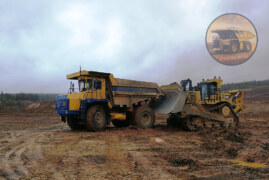
Peru’s mountainous areas are characterized by dramatic elevation changes, rugged landscapes, and restricted construction spaces. Many projects are located far from urban centers, where transportation routes may include steep slopes, unpaved roads, and narrow passages. These conditions create significant difficulties for conventional concrete delivery methods.
Concrete mixer trucks require sufficient space for positioning and unloading. However, many mountain construction sites do not provide large working areas. A truck may be unable to reach the exact pouring location, forcing workers to manually transport concrete over long distances. This process increases labor requirements, extends construction schedules, and may affect the consistency of the concrete mixture.
Concrete line pumps solve this problem by separating concrete transportation from vehicle access. The pump unit can remain in an accessible location while concrete is transferred through connected pipelines or hoses to the required placement point. This flexibility is especially valuable for projects built on slopes, valleys, or confined areas.
Maintaining Concrete Quality Under Challenging Conditions
Concrete quality is highly dependent on proper handling and timely placement. In mountainous environments, longer transportation routes and difficult site conditions can increase the risk of segregation, material loss, or reduced workability.
A concrete line pump provides a more controlled delivery process. The continuous pumping mechanism helps maintain a steady concrete flow, reducing interruptions during pouring. This is particularly important for structural elements that require uniform strength, such as foundations, bridge components, tunnel linings, and reinforced concrete walls.
For contractors working in Peru’s highland regions, reliable concrete placement is not simply a matter of convenience. It directly influences structural durability and long-term project performance.
Why Concrete Line Pumps Are Ideal for Mountain Construction Projects
Flexible Concrete Delivery Across Complex Jobsite Layouts
One of the greatest advantages of concrete line pumps is their adaptability. Unlike traditional pouring methods that depend heavily on truck positioning, line pumps can transport concrete horizontally and vertically through a network of delivery pipes.
This capability allows concrete to reach areas that are difficult or impossible for mixer trucks to access. For example, during the construction of mountain roads, retaining structures, or hillside buildings, pipelines can be arranged along slopes and around obstacles to deliver concrete precisely where it is needed.
The compact pumping equipment requires less working space compared with larger concrete placement machinery. This makes mobile concrete pumps especially suitable for Peru’s mountainous construction environments, where every square meter of available space may be valuable.
Improved Efficiency and Reduced Labor Requirements
Mountain construction projects often face higher labor costs because workers must overcome geographical obstacles during material transportation. Carrying concrete manually or using small transportation tools can slow progress and increase physical demands on workers.
Concrete line pumps simplify the entire placement process. Once the pipeline system is installed, concrete can be delivered directly to the pouring location with fewer workers involved. This improves productivity and allows construction teams to focus on other critical activities, such as reinforcement installation and formwork preparation.
For large-scale projects with strict deadlines, the time savings can become a significant economic advantage. Faster concrete placement reduces downtime and helps maintain a smoother construction workflow.
Suitable for Remote Infrastructure Development
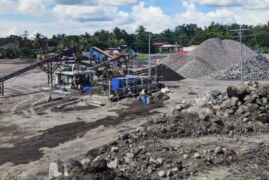
Many infrastructure projects in Peru’s mountain regions involve remote locations, including mining facilities, hydroelectric power stations, rural roads, and transportation networks. These projects often require durable concrete structures but face challenges related to equipment transportation.
Concrete line pumps provide a practical approach because they can be transported more easily than larger concrete placement machines. Their relatively simple setup allows contractors to establish concrete delivery systems even in locations with limited infrastructure.
This makes them a valuable option for expanding construction activities beyond easily accessible urban areas and supporting Peru’s continued development in mountainous regions.
Key Considerations When Choosing a Concrete Line Pump for Mountain Projects
Selecting the Right Pumping Capacity
Different mountain construction projects require different concrete output levels. Small residential developments may only require moderate pumping capacity, while tunnels, bridges, and large infrastructure projects demand higher performance equipment.
Contractors should evaluate factors such as concrete volume, pumping distance, vertical height, and project duration before selecting a suitable model. Choosing equipment with the correct capacity helps avoid unnecessary fuel consumption while ensuring reliable operation.
Considering Mobility and Site Conditions
Mobility is a critical factor in mountainous areas. Construction equipment must be able to adapt to changing site conditions and transportation limitations.
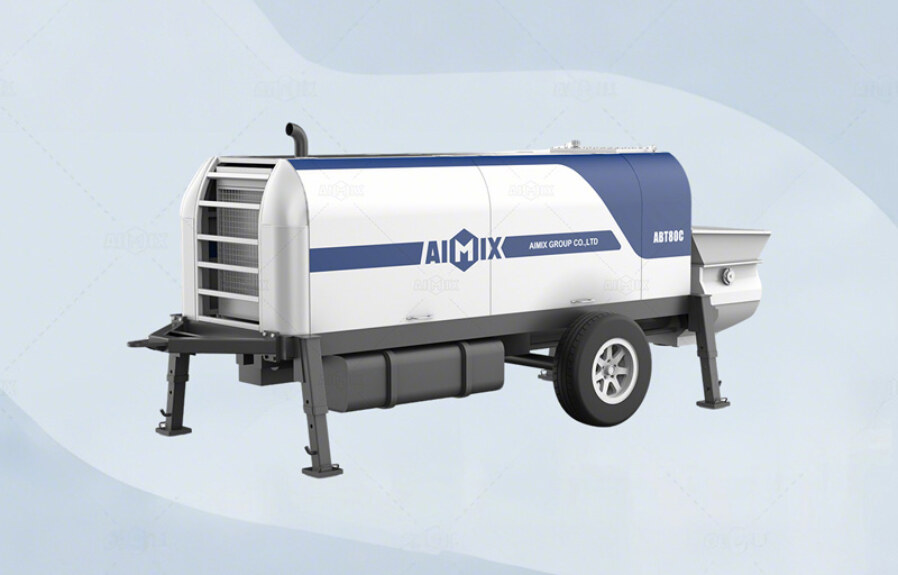
A compact concrete line pump with flexible pipeline arrangements can provide advantages where space is restricted. Equipment that is easy to transport, install, and operate can significantly reduce preparation time and improve overall project efficiency.
Ensuring Reliable Performance and Easy Maintenance
Mountain projects often operate far from equipment service centers, making reliability an essential consideration. A well-designed concrete pump for sale in Peru should offer stable pumping performance, durable components, and convenient maintenance access.
Contractors should also consider spare parts availability and technical support when investing in concrete equipment. Reliable after-sales service helps minimize unexpected downtime and protects project schedules.
Future Demand for Concrete Line Pumps in Peru’s Construction Industry
As Peru continues investing in transportation infrastructure, mining development, renewable energy projects, and urban expansion in highland areas, the demand for efficient concrete placement solutions is expected to increase. Mountain construction requires equipment that can adapt to complex environments rather than relying solely on traditional methods.
Concrete line pumps represent a practical technology for overcoming geographical limitations. Their ability to deliver concrete accurately, efficiently, and safely makes them increasingly important for modern construction projects throughout Peru’s mountainous regions.
By improving accessibility, reducing labor requirements, and supporting consistent concrete quality, concrete line pumps are helping contractors transform challenging mountain construction sites into more manageable and productive working environments.