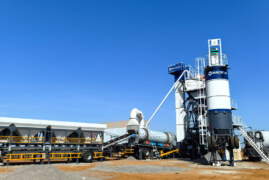
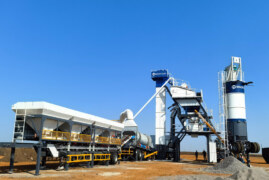
Mining operations expanding into remote regions increasingly depend on reliable haul road infrastructure requiring specialized hot asphalt mixing plant capability to support site development and equipment mobility. Traditional centralized asphalt production models prove impractical in isolated mining environments where material transport distances exceed 100+ kilometers and infrastructure access remains limited. When evaluating an asphalt plant for sale for mining applications, operators must assess production adaptability, material sourcing flexibility, and harsh-site performance capability beyond standard purchase price considerations, recognizing that equipment reliability directly impacts mining productivity and operational safety. Hot asphalt mixing plant systems engineered for remote deployment and challenging material conditions enable mining operators to maintain haul road quality, reduce equipment wear, and support sustainable site development across diverse geological and climatic environments.
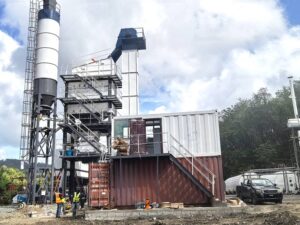
Production Adaptability and Material Sourcing Flexibility
Mining operations require hot asphalt mixing plant systems capable of processing variable aggregate sources and adapting mix designs to site-specific conditions, creating demands that standard commercial equipment cannot accommodate. Remote mining sites often lack access to conventional quarry materials, forcing operators to utilize on-site aggregate resources with variable gradation, moisture content, and mineral composition. When evaluating an asphalt plant for sale for mining applications, operators should prioritize equipment featuring flexible aggregate handling systems, responsive heating controls, and adjustable mixing parameters enabling rapid adaptation to available materials. This production adaptability directly reduces material procurement costs and supply chain complexity that compromise mining project schedules.
Hot asphalt mixing plant systems designed for mining applications must accommodate high-moisture aggregates common in tropical and subtropical mining regions, maintaining production consistency despite challenging material conditions. Equipment featuring advanced moisture detection and proportional burner control enables operators to adjust heating intensity and residence time automatically, preventing material overheating and segregation that degrade haul road performance. Operators should request performance documentation showing equipment operation across diverse aggregate sources and moisture ranges, revealing whether manufacturers engineer systems specifically for mining applications or apply generic commercial designs unsuitable for remote site conditions.
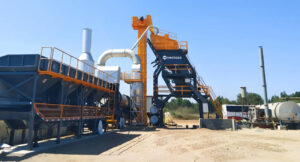
Harsh-Site Performance and Equipment Reliability Requirements
Mining haul roads experience extreme loading and environmental stress requiring hot asphalt mixing plant systems engineered for durability and sustained performance in challenging conditions. Remote mining sites expose equipment to temperature extremes, high-altitude operation, dust-laden environments, and limited maintenance infrastructure, demanding robust design and corrosion-resistant components. When evaluating an asphalt plant for sale for mining deployment, operators should verify equipment durability through documentation of field performance in comparable harsh environments, recognizing that equipment failure in remote locations creates extended downtime and production disruption costing $50,000-$100,000 daily in lost mining productivity.
Maintenance accessibility and spare parts availability represent critical factors distinguishing mining-suitable hot asphalt mixing plant systems from standard commercial equipment. Remote mining operations cannot tolerate extended equipment downtime requiring specialized technician support or imported components, forcing operators to prioritize equipment featuring simplified maintenance procedures, locally-available spare parts, and self-diagnostic capability enabling on-site problem resolution. Operators should establish equipment support agreements with manufacturers guaranteeing rapid response capability and emergency parts availability before committing to asphalt plant purchase, ensuring equipment reliability supports mining operations rather than creating operational bottlenecks.
Total Cost of Ownership and Mining Project Economics
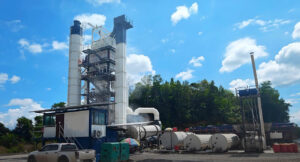
Mining operators evaluating an asphalt plant for sale must calculate total cost of ownership encompassing production efficiency, maintenance requirements, and operational reliability rather than comparing purchase prices alone. Hot asphalt mixing plant systems engineered for mining applications often command 15-25% price premiums over standard commercial equipment, yet deliver superior fuel efficiency (8-12% consumption reduction = $30,000-$50,000 annual savings) and extended service intervals (40-50% maintenance cost reduction) that justify equipment investment. Over five-year mining project duration, premium equipment often delivers $150,000-$250,000 total cost advantage through operational efficiency and reliability benefits.
Mining operators should model equipment performance across project-specific conditions including production volume, material variability, environmental challenges, and maintenance infrastructure availability. Hot asphalt mixing plant systems demonstrating superior performance in comparable mining environments often deliver genuine value despite higher purchase cost, whereas lowest-price equipment frequently creates operational problems and schedule delays that accumulate costs exceeding equipment savings. Operators preparing to purchase asphalt plant for sale should prioritize manufacturers demonstrating mining experience through field references and documented performance data, recognizing that equipment reliability directly impacts mining project profitability and operational sustainability.
Conclusion
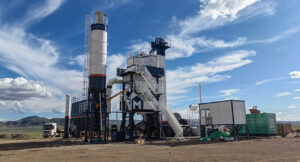
Mining operations expanding road infrastructure in remote regions increasingly recognize that hot asphalt mixing plant systems must deliver production adaptability, harsh-site performance, and operational reliability beyond standard commercial equipment capabilities. When evaluating an asphalt plant for sale for mining applications, operators should prioritize equipment engineered specifically for challenging material conditions, extreme environments, and limited maintenance infrastructure rather than applying generic commercial designs. By assessing production flexibility, material sourcing capability, equipment durability, and total cost of ownership aligned with mining project requirements, operators identify hot asphalt mixing plant investments that support sustainable haul road development, reduce operational costs, and maximize mining project profitability across diverse remote environments.