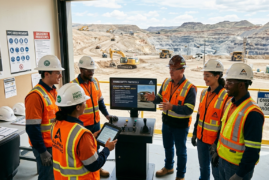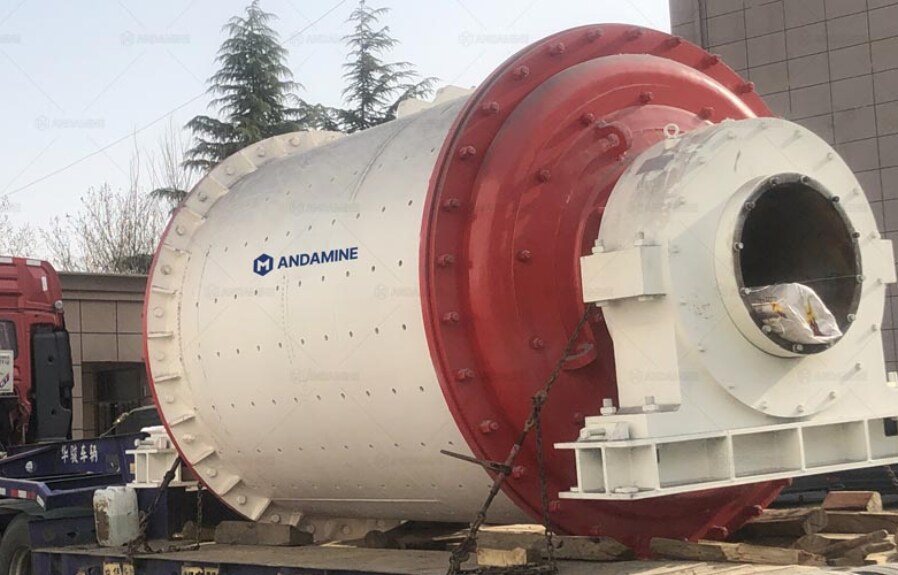
Mining operations across the Andean plateau in South America operate in some of the most challenging environments on Earth. Spanning high-altitude mineral zones across Peru, Chile, Bolivia, and Argentina, many metal processing plants sit at elevations exceeding 3,500 meters above sea level. At these extreme altitudes, low atmospheric pressure and reduced air density pose severe physical challenges for heavy drive systems powering modern mining mills.
Without proper engineering adaptations, high-altitude hypoxia significantly degrades equipment performance, accelerates electrical insulation breakdown, and reduces motor cooling efficiency. Selecting drive motor configurations and auxiliary power supply systems engineered specifically for thin-air environments is vital for maintaining continuous throughput and preventing costly unplanned downtime in remote mountain facilities.
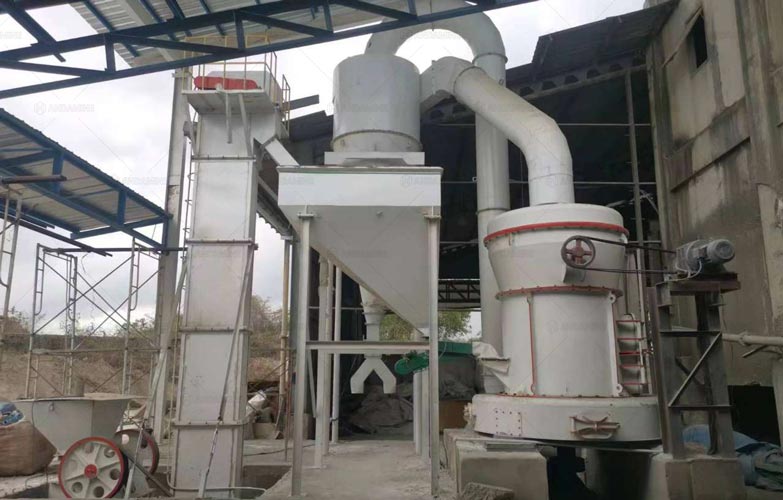
The Physical Impact of High Altitude on Grinding Mill Drives
Operating comminution equipment thousands of meters above sea level alters fundamental physical rules that electrical and mechanical engineers rely on at lower elevations. Understanding these atmospheric conditions is the essential first step toward effective equipment specification.
Air Density Loss and Reduced Thermal Dissipation
At 4,000 meters above sea level, atmospheric density drops by nearly 30% compared to standard sea-level conditions. Because electric motors rely on ambient air passing through internal ducts or across external cooling fins to dissipate operational heat, thinner air carries away significantly less thermal energy. As a result, standard electric motors driving large mining mills(molinos para minería) experience severe heat accumulation if operated at their nominal sea-level power ratings without compensation.
Dielectric Strength and Corona Discharge Effects
Lower air pressure decreases the dielectric breakdown strength of air, which acts as an electrical insulator within electrical machinery. This lower resistance increases the risk of partial electrical discharge, commonly known as the corona effect, across high-voltage motor windings, busbars, and terminal switchgear. Over time, continuous corona discharge degrades coil insulation, leading to premature short circuits and sudden mechanical failures in heavy-duty mining ball mills.
Key Engineering Criteria for Motor Selection at High Altitudes
To compensate for atmospheric hypoxia and steep ambient temperature swings, engineering teams must apply targeted design modifications when specifying primary drive motors for grinding circuits.
Motor Derating Factors and Insulation Reserve Margins
Standard industrial motors are typically rated for operation up to 1,000 meters elevation at a maximum ambient temperature of 40°C. Above this altitude baseline, motor power output must undergo systematic thermal derating—typically losing 1% of rated capacity for every 100 meters of additional elevation.
To avoid oversizing motor frames excessively, plant designers frequently specify Class H insulation materials operated strictly within Class B temperature rise limits. This thermal reserve buffer allows the drive to run cooler under heavy mechanical loads, neutralizing the heat accumulation caused by reduced airflow around the primary drives of high-capacity mining mills.
Advanced Motor Cooling Architecture
Relying on standard Totally Enclosed Fan Cooled (TEFC) motor housings is rarely adequate at high elevations. Instead, engineers recommend specialized cooling configurations:
- Forced Air Ventilation: External, independently powered blower units ensure steady airflow across motor windings even when the main mill operates at reduced speeds during startup or inching protocols.
- Air-to-Water Heat Exchangers: Closed-loop water cooling systems eliminate direct reliance on ambient air density, making them highly effective for driving heavy mining ball mills(molinos de bolas para minería) operating in dry, elevated mountain valleys.
Optimizing Power Delivery and Auxiliary System Calibration
Drive motors do not operate in isolation. Variable frequency drives (VFDs) and local power generation systems must also be calibrated to withstand high-altitude atmospheric conditions.
Variable Frequency Drive Adjustments
Modern VFDs provide precise speed control and soft-starting capabilities, which are essential for managing heavy torque loads during circuit restarts. However, power electronics inside VFD cabinets also suffer from reduced cooling efficiency in thin air. System integrators must ensure VFD modules are properly derated and engineered with expanded electrical clearances between components to prevent arc flashovers under low pressure.
Generator Sets and Grid Voltage Stability
Remote Andean mines relying on diesel generator sets face engine power losses because oxygen scarcity reduces internal fuel combustion efficiency. Equipping power plants with high-pressure turbochargers stabilizes electrical supply, preventing voltage dips that could trip control relays on mining ball mills during peak power surges.
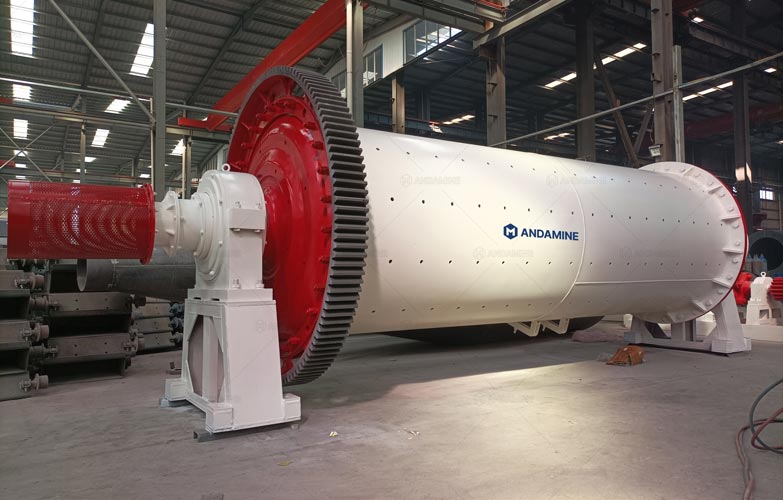
Strategic Resilience for Andean Comminution Plants
Developing rich mineral reserves across the Andes requires processing hardware designed specifically for thin-air operating environments. By calculating air density losses, applying precise motor derating formulas, and integrating liquid-assisted cooling systems, mining companies can protect their capital equipment against thermal stress and electrical failures.
Properly specifying power infrastructure ensures that high-capacity mining mills deliver consistent grinding efficiency, optimal particle liberation, and reliable daily output. Addressing environmental hypoxia during the early engineering phase establishes long-term operational resilience and ensures sustained profitability for mountain mineral operations.