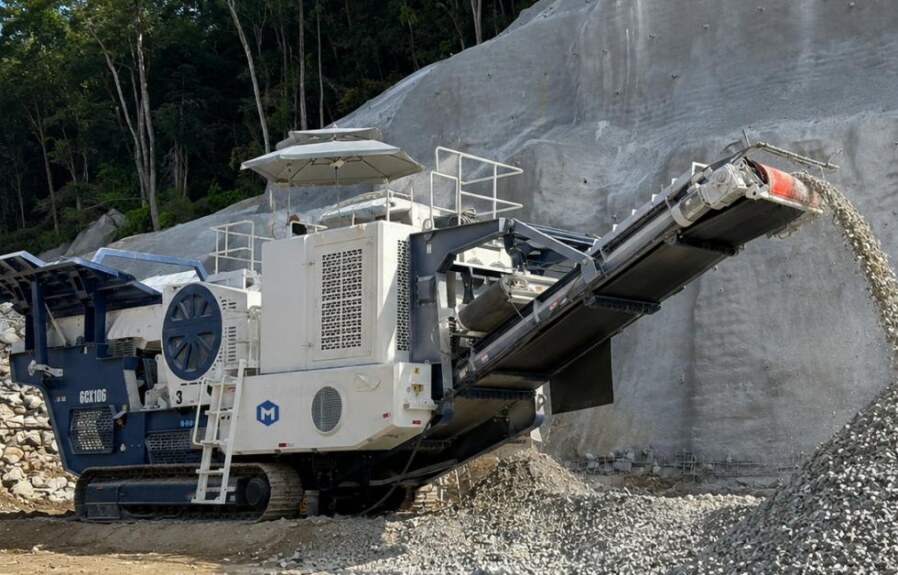
Hard rock mining requires crushing equipment that can handle high compressive strength, abrasive materials, large feed sizes, and continuous production demands. A mobile jaw crusher for sale can provide a flexible solution for primary crushing because it brings the crushing process closer to the extraction site and reduces unnecessary material transportation. However, choosing a mobile jaw crusher for hard rock mining requires more than selecting a machine with a high capacity. Crusher type, jaw size, feeding system, wear parts, mobility, and downstream equipment should all be configured according to the characteristics of the mined material.
1. Start with the Characteristics of the Hard Rock
The first step in configuring a mobile jaw crusher is understanding the material that needs to be processed. Granite, basalt, quartzite, and other hard rocks can place considerably higher demands on a crushing system than softer limestone or weathered rock.
Important factors include compressive strength, abrasiveness, moisture content, maximum feed size, and the required final product size. Highly abrasive materials can accelerate jaw plate wear, while very large rocks require a sufficiently large feed opening to avoid excessive secondary breaking before the material enters the crusher.
For granite applications, for example, a granite jaw crusher should be selected with sufficient structural strength and wear resistance to withstand continuous processing of hard and abrasive stone. Matching the crusher to the material helps maintain stable production while controlling wear-part consumption.
2. Select the Right Jaw Crusher Configuration
The jaw crusher is normally the primary crushing unit in a hard rock processing line. Its main task is to reduce large run-of-mine material into a more manageable size for secondary or tertiary crushing.
Jaw crusher configuration should be selected according to the required feed size and production capacity. A larger feed opening allows the machine to accept larger rocks, while the crushing chamber and discharge opening influence the achievable output and product size.
For demanding mining applications, the crusher should also have a robust frame and reliable drive system. These components need to withstand repeated crushing forces without excessive vibration or downtime. A properly matched jaw crusher can provide a stable primary crushing stage even under difficult operating conditions.
3. Configure the Feeding System for Continuous Production
A high-performance jaw crusher cannot operate efficiently without a reliable feeding system. Vibrating feeders are commonly used to deliver raw material into the crushing chamber at a controlled rate.
For hard rock mining, the feeder should be capable of handling large and heavy material while maintaining a relatively consistent feed. An irregular feed can cause the crusher to operate below its designed efficiency or experience unnecessary load fluctuations.
A grizzly section can also help remove excessive fines before crushing in suitable applications. By separating smaller material before it enters the jaw chamber, the system can reduce unnecessary crushing and improve overall production efficiency.
4. Consider Jaw Plate Material and Wear Resistance
Wear parts are especially important when processing hard and abrasive rock. Jaw plates are directly exposed to repeated crushing forces, so their material and design can have a significant effect on maintenance intervals and operating costs.
For granite and similar materials, wear-resistant jaw plates can help extend service life. However, the best jaw plate configuration depends on the actual characteristics of the rock and operating conditions. A solution designed for moderately abrasive material may not provide the same service life when used continuously on highly abrasive granite.
Operators should regularly inspect jaw plates and replace them before excessive wear affects crushing performance. Maintaining the correct jaw plate profile can also help preserve the crushing chamber’s operating efficiency.
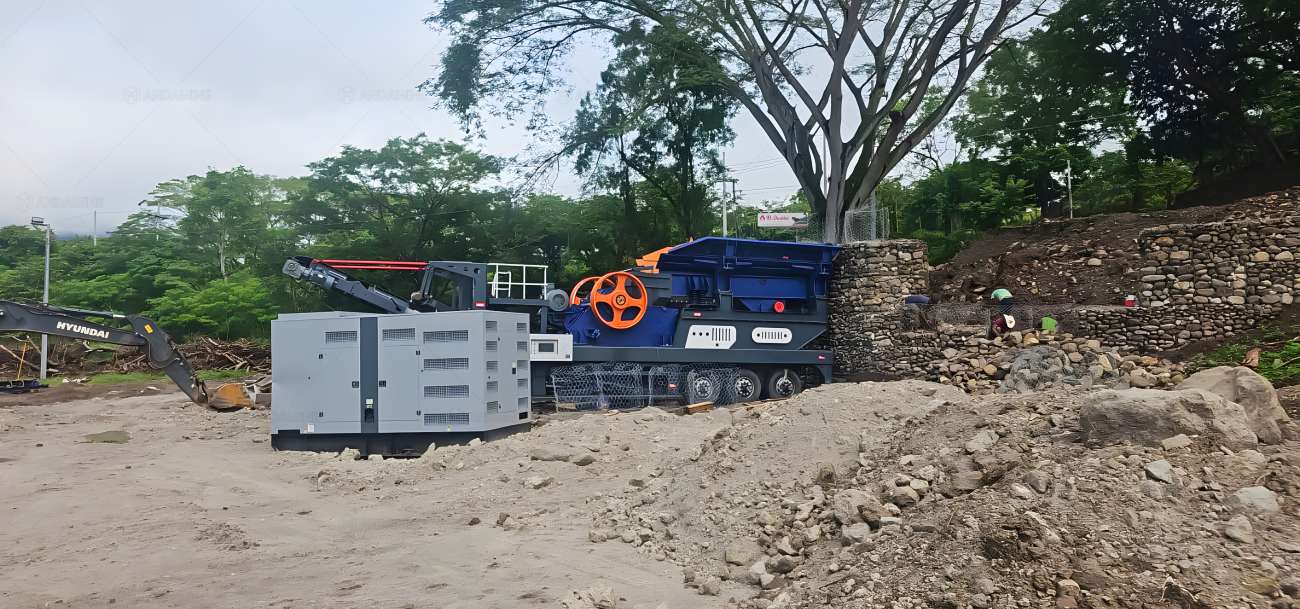
5. Match Capacity with the Entire Mining System
Selecting a mobile jaw crusher based only on its maximum rated capacity can create problems if the rest of the mining system cannot keep up. Excavators, loaders, haul trucks, conveyors, secondary crushers, and screening equipment should all be considered when determining the appropriate jaw crusher capacity.
For example, if the excavator cannot supply enough rock to keep the feeder operating continuously, a very large jaw crusher may spend significant time underutilized. Similarly, if the secondary crushing and screening stages cannot process the jaw crusher’s output, material may accumulate and create a bottleneck.
A balanced production line allows each stage to operate at an appropriate level. This is particularly important for hard rock mining, where material handling and crushing loads can be substantial.
6. Use Mobility to Reduce Material Transportation
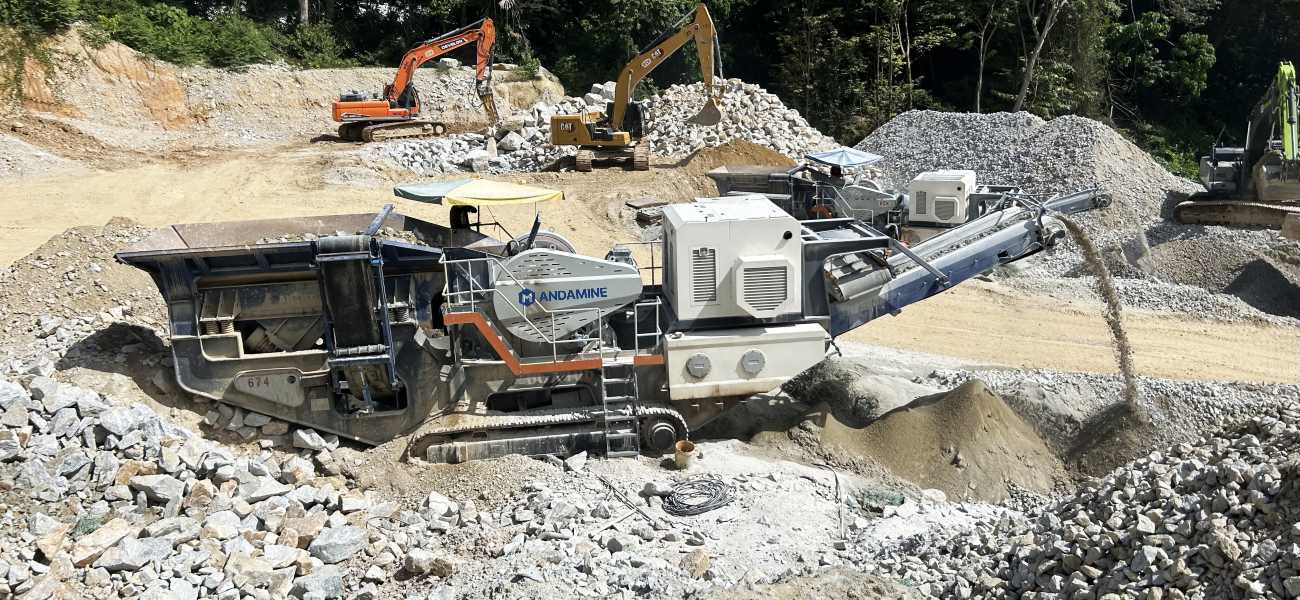
One of the major advantages of a mobile jaw crusher is its ability to move closer to changing extraction areas. In open-pit mining, the distance between the extraction point and the processing area can increase as mining progresses.
A mobile crusher can be repositioned according to the development of the pit, reducing the distance that raw material needs to be hauled before primary crushing. This can help lower material handling requirements and improve the utilization of transport equipment.
Tracked mobile jaw crushers can be particularly useful in challenging mining environments because they can move directly around the site without requiring conventional road transportation for every short relocation. Wheel-mounted configurations may be more suitable where frequent road transportation between sites is required.
7. Consider the Downstream Crushing Process
A mobile jaw crusher normally performs primary crushing rather than producing the final aggregate product in a complete hard rock processing line. The crushed material may then be transferred to a cone crusher, impact crusher, and screening system depending on the required product specifications.
For hard and abrasive rock such as granite, cone crushing is often considered for secondary or tertiary reduction because it can provide an appropriate solution for further processing of hard stone. Screening equipment then separates the material into different size fractions.
The jaw crusher should therefore be configured according to the requirements of the downstream equipment. The discharge size should be appropriate for the next crushing stage to avoid unnecessary recirculation and maintain efficient material flow.
8. Automation and Monitoring Improve Operating Stability
Modern mobile jaw crushers can incorporate monitoring and control systems that help operators manage feeding, crusher load, hydraulic systems, and other operating parameters.
Load monitoring can help prevent overfeeding, while automated systems can provide warnings when abnormal operating conditions occur. This is valuable in hard rock mining because sudden changes in material size or hardness can increase crusher load.
Remote monitoring can also support maintenance planning by helping operators identify potential problems before they result in major downtime. For mining contractors operating equipment in remote areas, improved monitoring can reduce the difficulty of managing equipment performance.
9. Plan Maintenance Around Hard Rock Conditions
Hard rock crushing inevitably creates significant wear, making preventive maintenance essential. Operators should regularly inspect jaw plates, bearings, belts, feeders, hydraulic components, and other critical systems.
Lubrication should follow the manufacturer’s recommendations, while wear parts should be checked according to actual operating hours and material abrasiveness. Keeping appropriate spare parts available can also reduce downtime when replacement becomes necessary.
Maintenance planning is especially important for remote mining projects. If replacement components have to be transported over long distances, an unexpected failure can result in extended production interruptions. A planned maintenance strategy can therefore contribute significantly to overall crushing reliability.
Conclusion
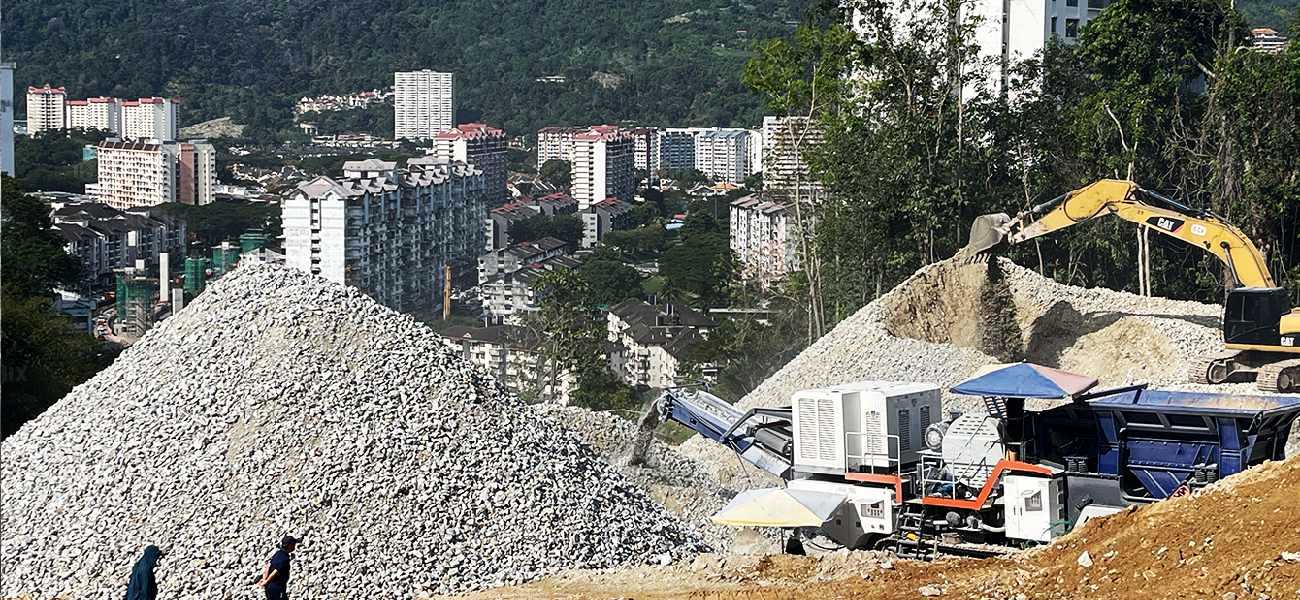
Configuring a mobile jaw crusher for sale for hard rock mining requires a comprehensive approach that considers material characteristics, crusher size, feeding system, wear resistance, production capacity, mobility, downstream processing, and maintenance. For granite and other abrasive rocks, selecting an appropriate granite jaw crusher configuration can help maintain stable primary crushing while controlling wear and operating costs. The most effective solution is not necessarily the largest crusher, but a balanced mobile crushing system in which the jaw crusher, feeder, material handling equipment, and downstream stages work together according to the actual requirements of the mining operation.