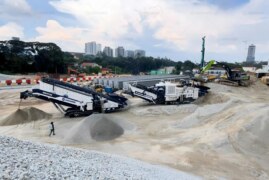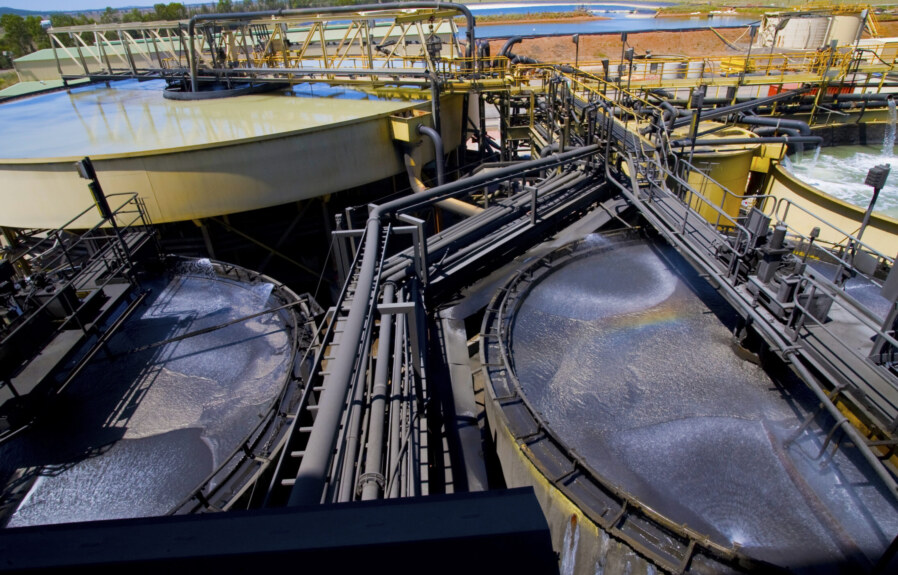
The mining and mineral processing industry is under increasing pressure to improve operational efficiency while reducing environmental impacts and maintaining high standards of health and safety. Process measurement plays an important role in achieving these objectives because accurate, real-time information allows operators to monitor process conditions and make timely adjustments.
Density and concentration measurements are particularly important across mineral processing and downstream refining. They are used to monitor slurry characteristics, control chemical processes, and maintain the consistency of process solutions. Traditionally, some of these measurements have relied on radioactive sources. While nuclear measurement technologies remain established in many operations, the industry is also considering alternatives that can reduce the regulatory, handling, and operational requirements associated with radioactive sources.
Non-nuclear measurement technologies, such as those developed by Rhosonics, enable the mining and mineral processing industry to use ultrasonic technology for reliable, in-line process measurements.
The role of non-nuclear measurement technology
The use of radioactive sources in process instrumentation introduces additional requirements for source management, regulatory compliance, inspections, and personnel training. These requirements vary by jurisdiction and application, but they can add complexity to the operation and maintenance of process measurement equipment. Non-nuclear technologies can remove the radioactive source from the measurement system, potentially simplifying certain aspects of installation, operation, maintenance, and end-of-life management. From an environmental perspective, eliminating the radioactive source also removes the associated radioactive material from the instrument itself. These considerations are increasingly relevant as mining companies assess technologies against broader environmental, social, and governance (ESG) objectives.Slurry density measurement in mineral processing
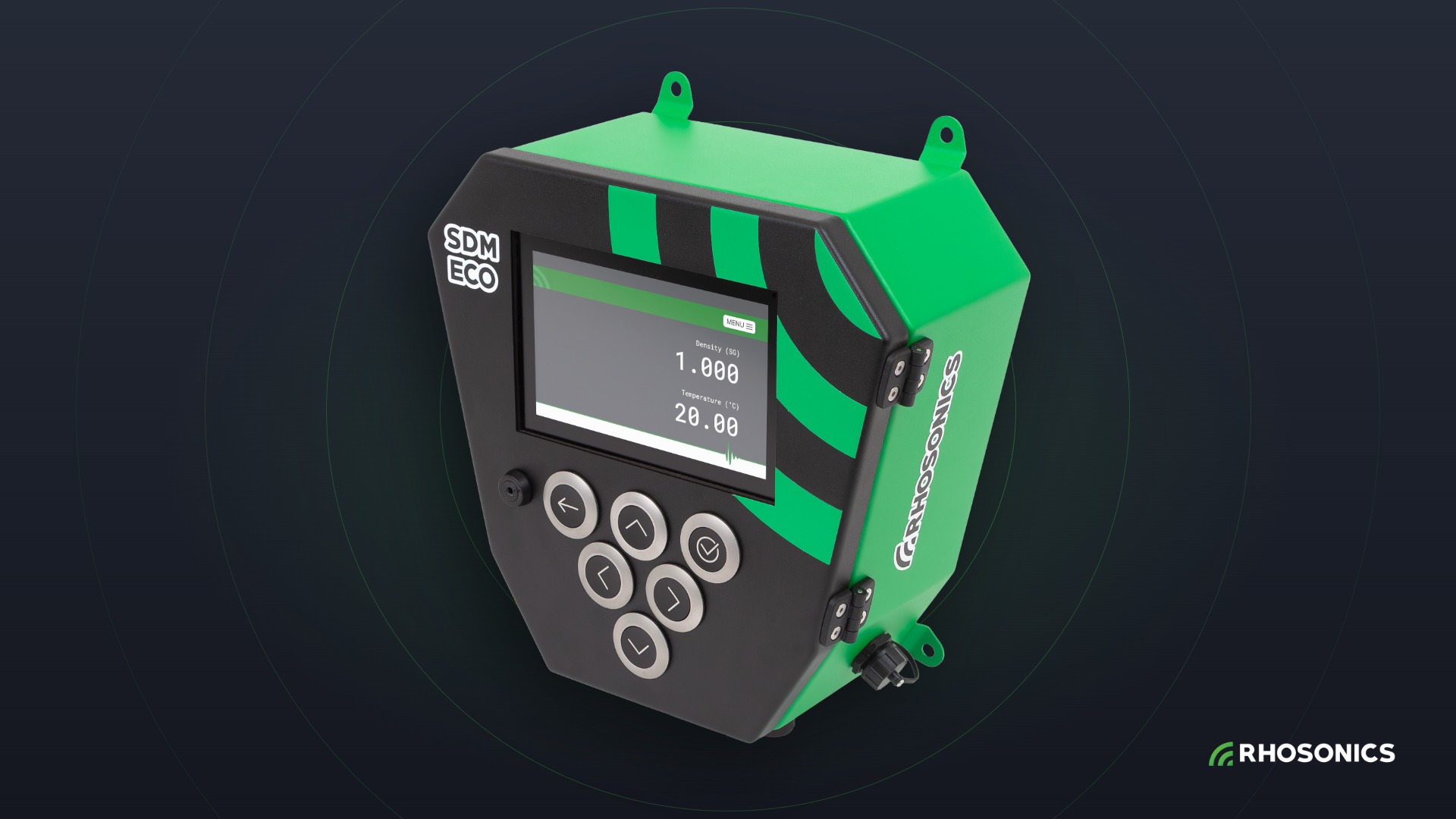
Following extraction, ore is typically crushed and ground before being mixed with water to produce a slurry. The characteristics of this slurry must be controlled throughout the processing plant because density influences material transport, classification, grinding performance, and downstream separation processes. In a typical concentrator, slurry passes through several stages, including grinding mills, cyclones, flotation circuits, and thickening operations. Maintaining the required solids concentration helps operators control water addition, manage equipment performance, and maintain stable operating conditions. Real-time density measurement can therefore provide an important process-control signal. Changes in density can indicate variations in ore characteristics, water balance, grinding conditions, or other operating parameters, allowing operators and control systems to respond accordingly. One way to achieve this is with ultrasonic slurry density measurement. The Rhosonics SDM ECO Slurry Density Meter measures slurry density continuously in-line using ultrasound, without the need for a radioactive source. Installed directly in the process, typically in vertical pipe sections such as cyclone feed or overflow, mill discharge, or thickener underflow, it gives operators a continuous view of changing slurry density. This means the effect of changes in water addition or process conditions can be seen straight away, rather than waiting for the next lab sample. The value of the measurement lies primarily in providing a continuous indication of process conditions. This information can then be incorporated into plant control strategies to support more consistent operation and potentially reduce process variability.
Density measurement in hydrometallurgical processing
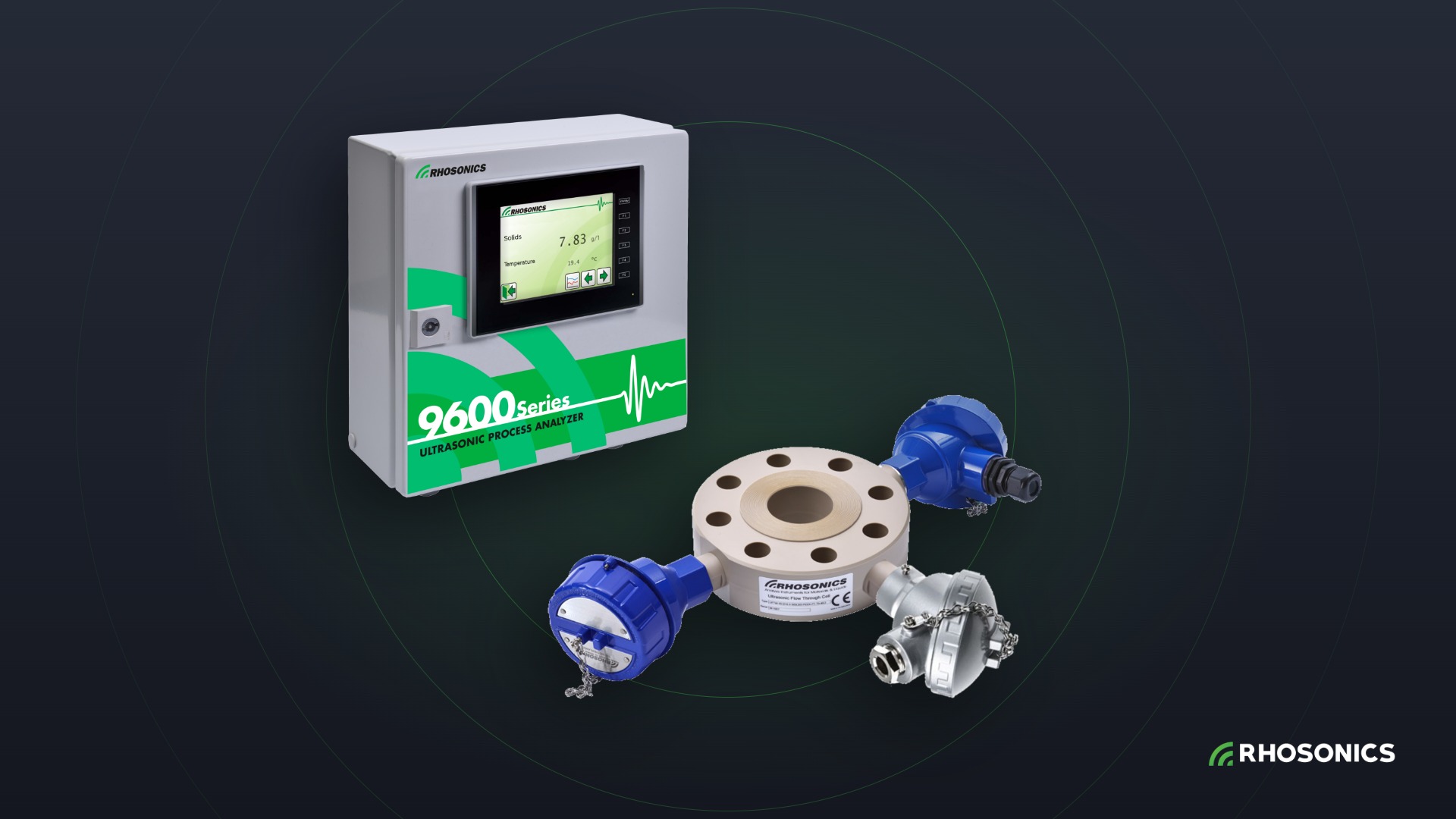
After concentration, minerals such as copper may undergo further processing to recover the target metal. Depending on the ore and process route, hydrometallurgical operations can include leaching, solvent extraction, and electrowinning. These processes involve chemical solutions whose composition and physical properties must be controlled carefully. Variations in solution density or suspended solids can provide information about changes in process conditions and can affect downstream operations. For example, during leaching and related chemical-processing stages, maintaining appropriate process conditions is important for achieving the desired metal extraction and maintaining stable operation. Measurement systems must also be capable of operating reliably in chemically aggressive environments. The CDM Chemical Density Meter is an example of a non-nuclear instrument designed for chemical-process applications. It provides online measurement of density and Total Suspended Solids (TSS), allowing process personnel to monitor changes in the characteristics of process liquids and slurries. The broader industry trend is toward continuous measurement rather than relying exclusively on periodic laboratory sampling. Online measurements can provide faster feedback and allow process conditions to be identified and addressed before deviations become more significant.