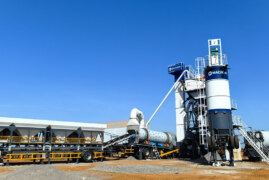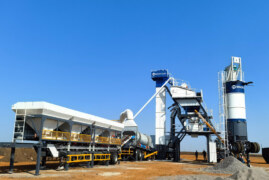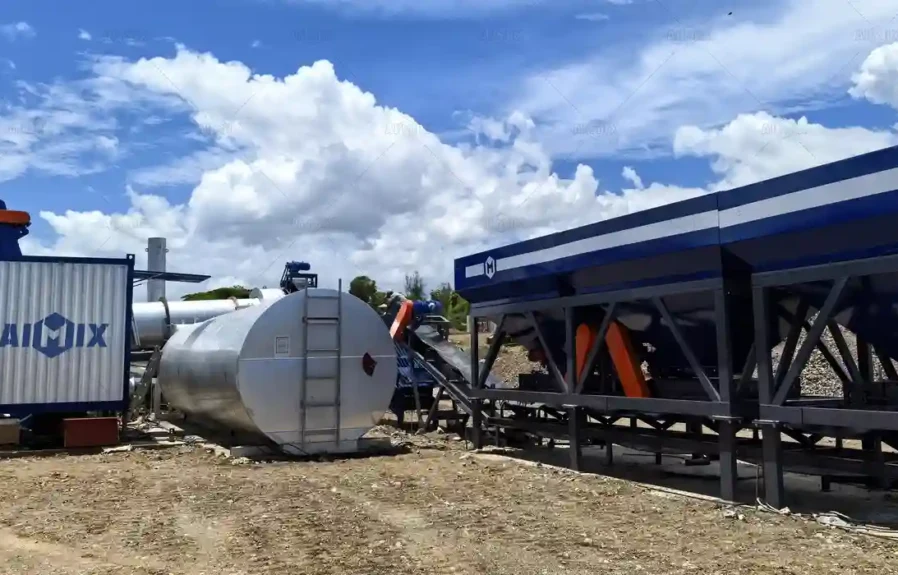
Road repair projects in remote areas often face challenges that contractors rarely encounter in major cities. Narrow mountain roads, scattered construction sites, limited transportation access, unstable material supplies, and unpredictable weather can all affect project progress. In these conditions, transporting hot asphalt mixtures from a distant commercial asphalt plant may increase costs and create difficulties in maintaining the required mixture temperature.
A mini asphalt mixing plant offers a practical alternative for contractors who need to produce asphalt close to their construction sites. However, not every small asphalt plant suits remote road maintenance. The right choice depends on daily paving demand, transportation conditions, aggregate supply, fuel availability, and the expected duration of the project.
So, what mini asphalt mixing plant should contractors choose for road repair projects in remote areas? The answer starts with understanding the actual construction requirements rather than selecting equipment based on its rated capacity alone.
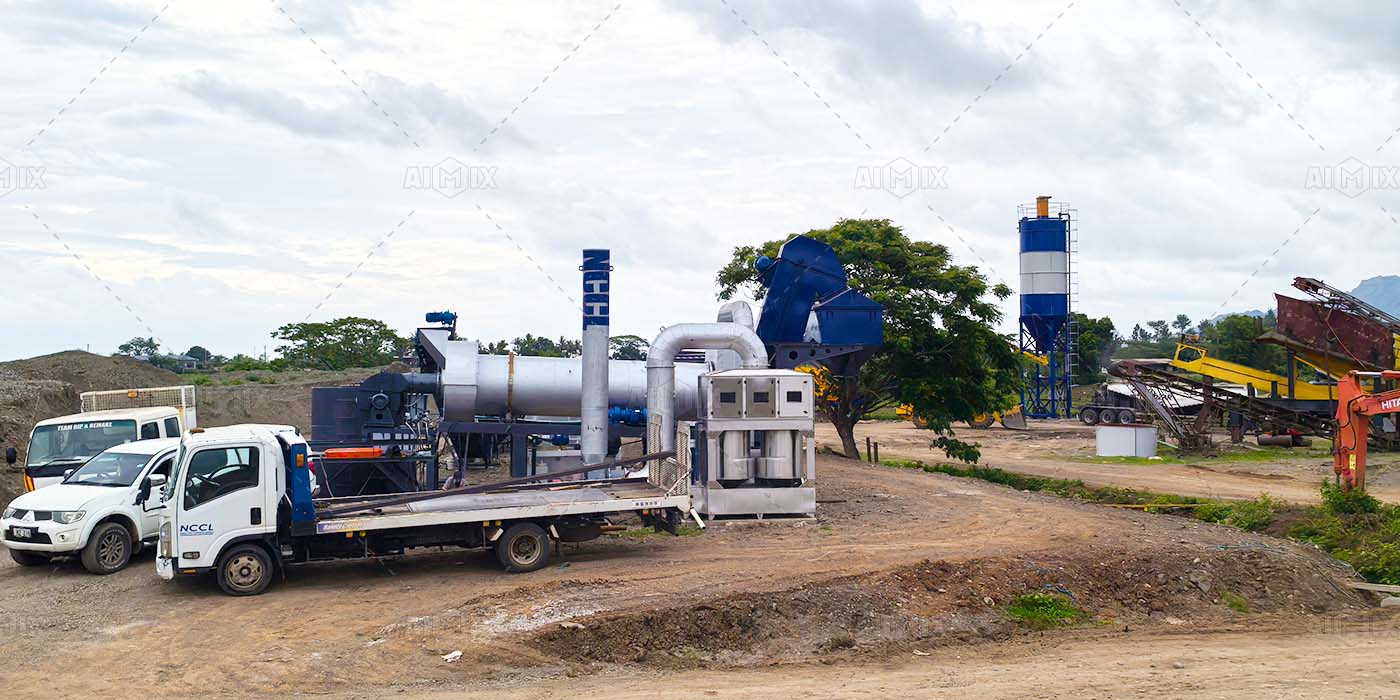
1. Why Do Remote Road Repair Projects Need A Mini Asphalt Mixing Plant?
Before choosing equipment, contractors should understand how remote construction conditions affect asphalt production. Unlike large highway projects near established industrial areas, remote road repairs often involve smaller work sections and more complicated logistics. Therefore, a centralized asphalt supply may not always be the most efficient solution.
1.1 Long Transportation Distances Increase Asphalt Delivery Costs
Asphalt mixtures must maintain an appropriate temperature during transportation and paving. When a construction site is several hours away from an existing asphalt mixing plant, long transportation distances can create temperature loss, delivery delays, and additional fuel expenses.
Furthermore, mountain roads, winding routes, and poor road conditions can slow down trucks. Contractors may need additional vehicles to maintain a continuous supply. These extra transportation requirements increase project costs and make construction schedules harder to control.
With a mini asphalt mixing plant located near the project, contractors can reduce the distance between production and paving. This arrangement helps shorten delivery time, improve supply coordination, and reduce dependence on external asphalt suppliers.
1.2 Small Repair Quantities Do Not Always Justify Large Plants
Remote road maintenance projects rarely require the same continuous production volume as major highway construction. Some contractors only need asphalt for pothole repairs, damaged road sections, village roads, access roads, or short rural road rehabilitation projects.
Installing a large stationary asphalt plant for these applications may create unnecessary investment and operating expenses. Its production capacity could exceed actual demand, leaving equipment underutilized for long periods.
By comparison, a mini asphalt mixing plant provides a more flexible production arrangement. Contractors can select a suitable capacity according to their daily paving requirements and move the equipment when the project location changes. Contractors comparing equipment configurations can also review the available mini asphalt plant for sale options to understand which production arrangement better matches their project requirements.
1.3 Remote Locations Require Greater Equipment Flexibility
Construction sites in mountainous regions, rural communities, and isolated industrial areas may have limited installation space. Some locations also lack permanent foundations, reliable electricity, or convenient access for heavy transportation vehicles.
Consequently, contractors should consider equipment dimensions, installation requirements, transportation arrangements, and independent operating capabilities. A compact plant with a modular structure can simplify site preparation and relocation.
These factors explain why production capacity alone cannot determine whether a mini asphalt mixing plant is suitable for remote road repairs.
2. What Capacity Of Mini Asphalt Mixing Plant Is Suitable For Remote Road Repairs?
Capacity is one of the most important purchasing considerations. However, contractors should distinguish between rated production capacity and actual daily output. The real production volume depends on aggregate moisture, heating efficiency, material supply, operating hours, mix design, and equipment downtime.
For this reason, the following capacity ranges provide practical selection references rather than guaranteed production figures.
2.1 10–20 TPH: Small Road Repairs And Scattered Maintenance Work
A 10–20 TPH mini asphalt mixing plant can suit contractors handling small repair projects with limited daily asphalt requirements. It is particularly useful when construction teams work on scattered locations rather than one continuous road section.
Typical applications include:
- Pothole repairs on rural roads and village streets.
- Small-scale asphalt pavement rehabilitation.
- Access road maintenance for agricultural and industrial areas.
- Local road repairs in mountainous communities.
- Small parking areas and private access roads.
For example, a contractor repairing several damaged road sections in a remote district may only need a limited quantity of asphalt each day. A smaller plant can help avoid unnecessary equipment investment while providing greater control over production scheduling.
2.2 20–40 TPH: Regular Rural Road Maintenance And Rehabilitation
A 20–40 TPH plant offers more production flexibility for contractors managing several repair sections or longer rural roads. It can support more consistent asphalt supply when paving teams operate regularly throughout the working day.
Common applications include:
- Village road resurfacing and rehabilitation.
- Provincial road maintenance in remote districts.
- Longer rural access road construction.
- Small municipal road improvement projects.
- Industrial access road repairs outside major cities.
This capacity range is worth considering when a contractor has multiple projects within the same region. Instead of relying on different commercial asphalt suppliers, the company can establish a local production point and organize asphalt delivery according to its paving schedule.
2.3 40–60 TPH: Larger Repair Programs And Continuous Paving Operations
When contractors undertake larger road rehabilitation programs, a 40–60 TPH mini or compact asphalt mixing plant may provide a better balance between production capacity and equipment mobility.
Typical applications include:
- Regional road rehabilitation programs.
- Long rural road resurfacing projects.
- Access roads connecting remote industrial facilities.
- Mining road maintenance and internal transportation routes.
- Multiple road repair contracts within one construction region.
However, a higher-capacity plant requires sufficient aggregate storage, fuel supply, transportation vehicles, and paving demand. Contractors should confirm that the actual project workload can support the additional production capacity.
2.4 How To Estimate The Required Production Capacity
Rather than choosing a plant based on its maximum rated output, contractors should first estimate the daily asphalt requirement.
A simple calculation is:
- Daily asphalt demand: Total planned asphalt mixture required per day.
- Effective production hours: Actual hours available for production after considering setup, material handling, maintenance, and interruptions.
- Required hourly output: Daily asphalt demand divided by effective production hours.
For example, if a contractor needs 120 tons of asphalt mixture per day and plans to operate for 6 effective production hours, the required average output is 20 TPH.
In this case, a 20 TPH plant may be insufficient if the contractor experiences frequent interruptions or needs additional production reserves. A 30 TPH or 40 TPH plant could provide more operational flexibility, provided that its actual output under local conditions meets the project requirements.
Therefore, the best capacity is the one that matches real production demand while allowing reasonable operating flexibility.
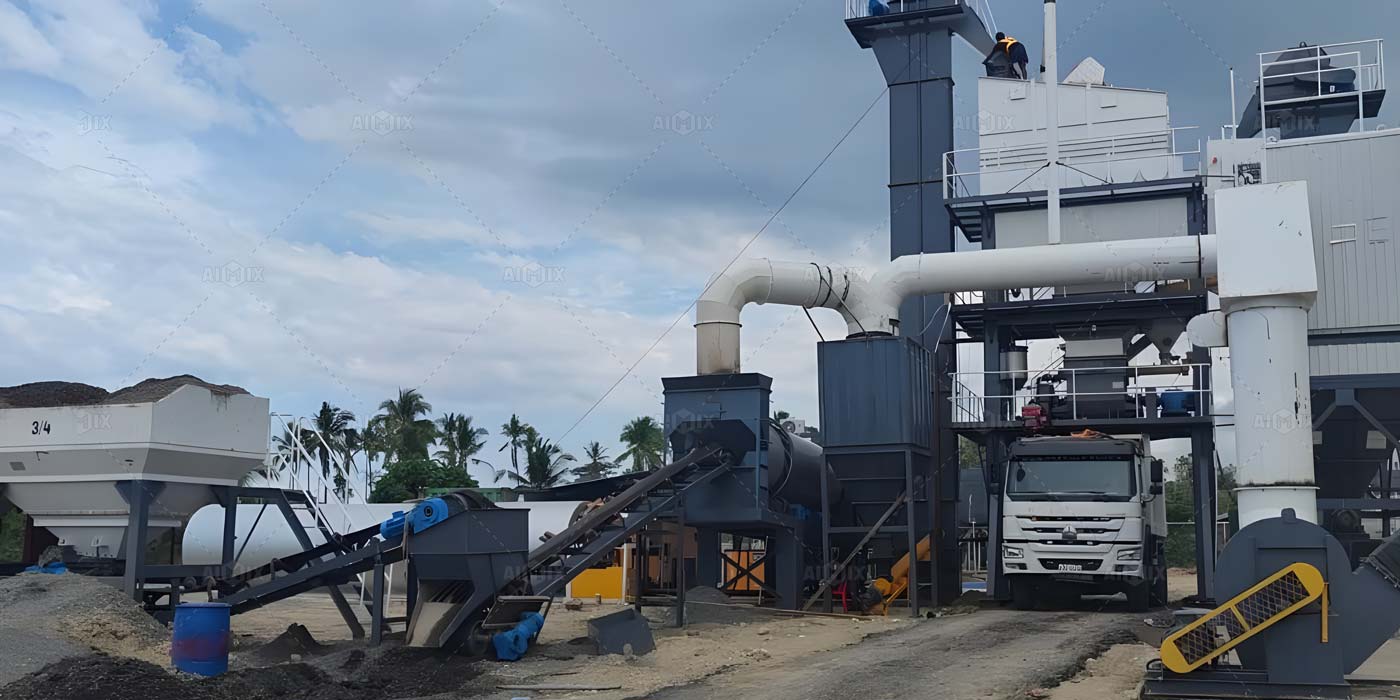
3. Which Type Of Mini Asphalt Mixing Plant Works Best In Remote Areas?
After determining the required capacity, contractors need to compare different plant configurations. The main consideration is how the equipment will operate under local transportation, installation, and production conditions.
3.1 Mini Stationary Asphalt Mixing Plant
A mini stationary asphalt mixing plant is suitable when contractors have a relatively stable construction location and expect to produce asphalt for an extended period.
Its main advantages include:
- Stable installation for continuous production.
- A suitable configuration for regular road maintenance programs.
- Flexible selection of aggregate feeding, drying, screening, and mixing systems.
- Potentially lower relocation frequency when several projects are located nearby.
However, contractors should evaluate foundation requirements, installation time, site preparation, and the availability of transportation access. A stationary plant may not be the best choice when construction teams frequently move between isolated locations.
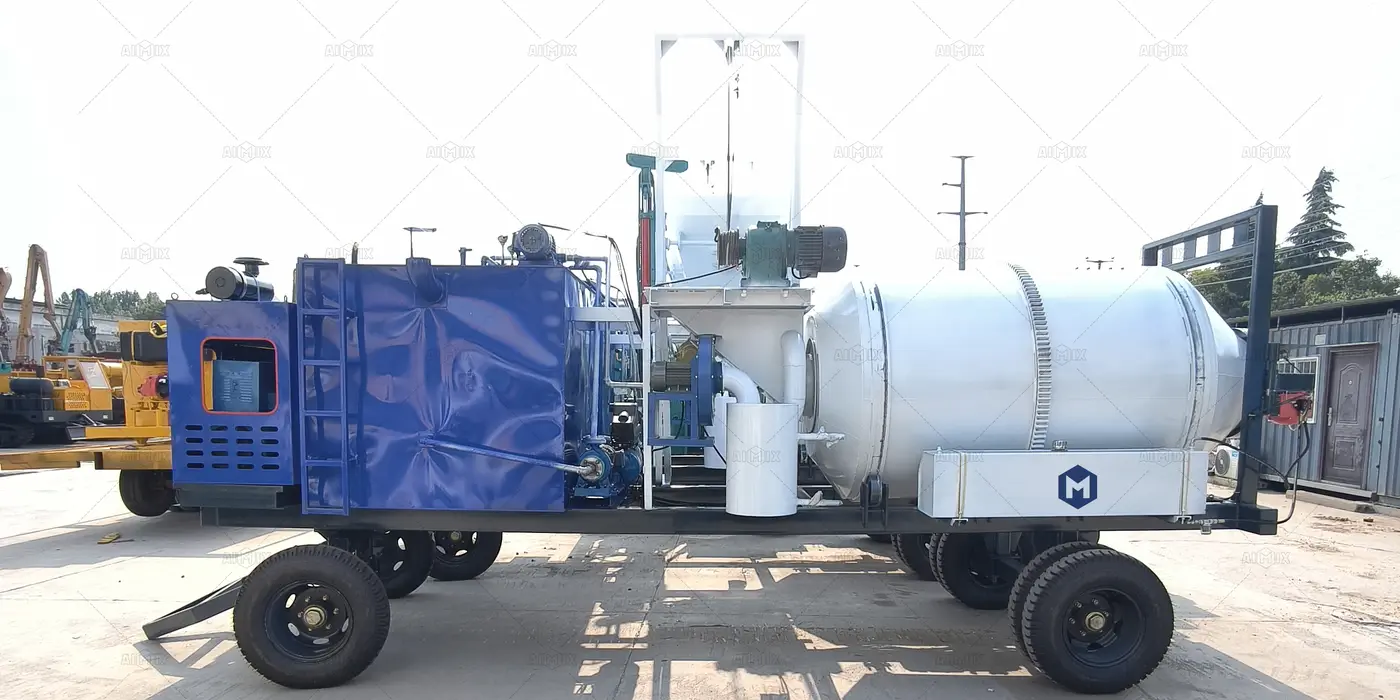
3.2 Mini Mobile Asphalt Mixing Plant
A mini mobile asphalt mixing plant is particularly useful when road repair projects involve multiple locations. Its transport-oriented configuration helps contractors move production equipment between construction sites more efficiently.
For contractors who need a compact production solution with greater transportation flexibility, a mini portable asphalt plant can be worth evaluating. Its suitability depends on the transportation dimensions, installation arrangement, and actual mobility requirements of the project.
Typical benefits include:
- Greater flexibility for projects with changing locations.
- Reduced dependence on permanent production facilities.
- Convenient transportation arrangements for modular equipment.
- Better suitability for contractors handling scattered road maintenance contracts.
Nevertheless, mobile equipment still requires proper site preparation, utility connections, installation checks, and safe operating space. Contractors should also confirm transportation dimensions, axle loads, and local road restrictions before purchasing.
3.3 Mini Drum Mix Asphalt Plant
A mini drum mix asphalt plant can be a practical option when contractors need a relatively simple production process and suitable aggregate materials are consistently available.
In a drum mix plant, aggregate drying, heating, and mixing take place within the drum system. This configuration can reduce the number of separate processing stages compared with a conventional batch plant. Contractors can evaluate a mini asphalt drum mix plant when continuous production and a relatively compact equipment arrangement match their project needs.
Its potential advantages include:
- A relatively compact production arrangement.
- Continuous asphalt production.
- A simpler material processing layout.
- Suitability for certain small and medium road construction projects.
However, contractors should check the required mix design, temperature control, aggregate grading, and production consistency. A continuous drum mixer may not meet every project specification, especially when the project requires frequent changes in asphalt mixture composition.
3.4 Mini Batch Mix Asphalt Plant
A mini batch mix asphalt plant produces asphalt in separate batches. It heats and screens aggregates before weighing and mixing them with bitumen and mineral filler according to the required mix proportions.
This production arrangement provides better control over individual batches and supports different asphalt mix designs. It can therefore be useful when contractors handle road repairs involving different aggregate gradations or asphalt specifications.
However, a batch plant generally involves more processing components and a more complex configuration. Contractors should compare installation space, equipment investment, maintenance requirements, and actual production demand before making a decision.
4. Key Factors To Consider Before Buying A Mini Asphalt Mixing Plant
Choosing the right plant involves more than comparing mobile and stationary structures. Remote construction environments introduce additional operating challenges. Therefore, contractors should evaluate the following factors before requesting a quotation.
4.1 Transportation Dimensions And Installation Conditions
Transportation can become a major cost when equipment needs to travel through narrow roads, mountain passes, or remote communities. A plant that appears compact in a product brochure may still require several transport vehicles or special transportation arrangements.
Before purchasing, check:
- Overall equipment dimensions and transportation weight.
- Maximum transport height and width.
- Truck access and road weight restrictions.
- Installation space and ground conditions.
- Foundation requirements and assembly procedures.
- Crane, lifting, and unloading requirements.
For island projects or locations without convenient road connections, contractors should also calculate sea freight, port handling, and inland transportation expenses.
4.2 Fuel Consumption And Local Energy Availability
Fuel costs directly influence asphalt production expenses. Remote areas may also have limited access to reliable electricity or diesel supplies. Consequently, the heating system and overall energy configuration deserve careful attention.
When evaluating a mini asphalt mixing plant, ask the manufacturer for:
- Burner type and rated thermal capacity.
- Estimated fuel consumption under specified operating conditions.
- Available diesel, heavy oil, or other compatible fuel configurations.
- Electrical power requirements and generator options.
- Fuel storage and supply recommendations.
Actual fuel consumption depends on aggregate moisture, ambient temperature, target discharge temperature, fuel quality, and production efficiency. Therefore, contractors should request operating data based on realistic working conditions rather than relying on a single theoretical consumption figure.
4.3 Aggregate Supply And Material Quality
Remote projects may obtain aggregates from nearby quarries, local suppliers, or temporary stockpiles. However, material quality can vary between sources and deliveries.
Before selecting the plant, contractors should confirm:
- Aggregate size and grading requirements.
- Aggregate moisture content during different seasons.
- Available storage space for different aggregate sizes.
- Bitumen supply and storage arrangements.
- Mineral filler availability.
- Compliance with the project’s asphalt mix design.
For example, aggregates exposed to heavy rainfall may contain more moisture. This increases the energy required for drying and can reduce actual plant output. In tropical regions, proper aggregate storage and drainage are especially important during rainy seasons.
4.4 Production Temperature And Asphalt Quality
Producing asphalt near a construction site does not automatically guarantee better pavement quality. The plant must still control aggregate heating, bitumen temperature, mixing time, and mixture proportions.
Contractors should evaluate the following components:
- Drying drum: Removes moisture and heats aggregates to the required temperature.
- Burner system: Provides controlled heat for aggregate drying.
- Dust collection system: Controls dust generated during aggregate processing.
- Mixing system: Ensures consistent distribution of bitumen and aggregates.
- Control system: Helps operators monitor production parameters and operating conditions.
These components work together to maintain production consistency. In addition, the finished asphalt must meet the relevant project specifications and applicable local standards.
4.5 Maintenance And Spare Parts Availability
Equipment downtime can become particularly expensive in remote areas. If a critical component fails and replacement parts are unavailable, the paving team may have to suspend operations until maintenance is complete.
Before signing a purchase contract, ask about:
- Recommended spare parts for initial operation.
- Availability of burners, bearings, belts, sensors, and electrical components.
- Remote technical support and troubleshooting procedures.
- Installation and operator training services.
- Maintenance schedules and warranty coverage.
- Local or regional spare parts delivery arrangements.
A supplier with practical export experience and a clear after-sales service arrangement can help reduce operational risks, especially when the project site is far from major cities.
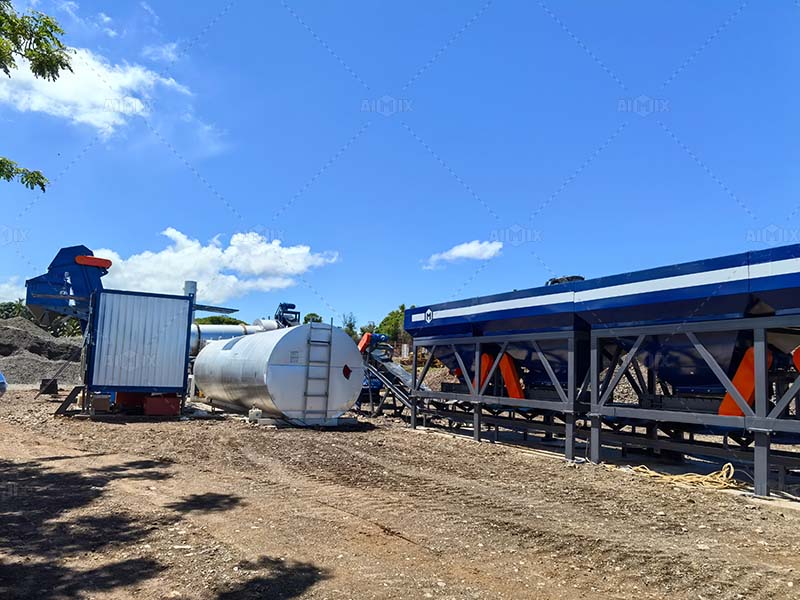
5. How Much Does A Mini Asphalt Mixing Plant Cost For Remote Road Repair Projects?
The investment cost depends on plant capacity, production configuration, automation level, heating system, transportation structure, and optional equipment. Therefore, two plants with similar rated capacities may have significantly different quotations.
For an accurate purchasing budget, contractors should consider more than the equipment purchase price.
5.1 Main Factors Affecting The Purchase Price
- Production capacity: Higher-capacity equipment generally requires larger processing systems and greater investment.
- Plant configuration: Batch mixing and drum mixing systems have different structures and production processes.
- Mobility: Mobile configurations may require additional transport structures and modular connections.
- Automation: Advanced control systems can improve operating convenience and production management.
- Environmental equipment: Dust collection and other emission-control configurations affect the total investment.
- Optional systems: Additional bitumen tanks, aggregate storage, mineral filler systems, and generators can increase the quotation.
5.2 Calculate The Total Project Investment
For remote road repair projects, the total investment should include the following costs:
- Asphalt mixing plant purchase price.
- International shipping and inland transportation.
- Port handling, customs clearance, and applicable import charges.
- Foundation work and site preparation.
- Installation, commissioning, and operator training.
- Fuel, electricity, labor, and routine maintenance.
- Aggregate, bitumen, and mineral filler procurement.
- Spare parts and equipment relocation expenses.
These expenses provide a more realistic picture of the investment than the equipment quotation alone. In particular, contractors should compare the cost of local asphalt production with the cost of purchasing and transporting ready-made asphalt from an external supplier.
5.3 When Can A Mini Asphalt Mixing Plant Deliver A Better Return?
A mini asphalt mixing plant can become a worthwhile investment when contractors have sufficient recurring asphalt demand. It may reduce external supply dependence, shorten material transportation distances, and improve production scheduling.
However, the financial benefits depend on project utilization. A plant that operates for only a few days each year may not justify its purchase price, even if its production cost per ton appears attractive.
Contractors should compare the following indicators:
- Annual asphalt production volume.
- Cost per ton of internally produced asphalt.
- Purchase price of asphalt from external suppliers.
- Transportation cost per ton.
- Annual equipment operating and maintenance costs.
- Expected equipment utilization across multiple projects.
A basic investment evaluation should also consider the residual value of the plant and the possibility of relocating it to future projects. This is particularly relevant for contractors who regularly undertake road maintenance work in different districts.
6. Which Mini Asphalt Mixing Plant Is Suitable For Different Remote Construction Scenarios?
Different road repair conditions require different equipment arrangements. To make the selection more practical, contractors can start by identifying their main construction environment and production requirements.
6.1 Mountain Roads With Limited Transportation Access
Mountain road projects often involve steep slopes, narrow access routes, and long transportation distances. In these conditions, a compact mobile plant can help contractors establish a nearby asphalt production point.
However, the transport dimensions must match the actual road conditions. Contractors should also consider equipment leveling, stable ground, safe material storage, and sufficient operating space.
6.2 Rural Roads With Small And Scattered Repair Sections
For rural road maintenance involving multiple small sections, a 10–20 TPH or 20–40 TPH plant may be worth evaluating. The final choice depends on the total daily asphalt demand and the number of locations requiring repair.
A mobile configuration can offer additional flexibility when the construction team needs to relocate its production equipment between project areas.
6.3 Mining Roads And Industrial Access Roads
Mining and industrial projects may require regular pavement maintenance because heavy trucks and machinery place significant stress on road surfaces.
For these applications, a 20–60 TPH plant may be suitable depending on the road network, maintenance schedule, and required asphalt volume. Contractors should also consider aggregate availability, continuous operating hours, and dust-control requirements.
6.4 Island Infrastructure And Remote Coastal Projects
Island projects present additional transportation and supply challenges. Equipment shipping, port access, fuel storage, and aggregate procurement can all influence the final investment.
A compact modular plant may simplify transportation and installation. Nevertheless, contractors should confirm whether the plant can be divided into transportable modules and whether local infrastructure can support its installation and operation.
7. Why Choose AIMIX For A Mini Asphalt Mixing Plant?
Choosing an asphalt plant manufacturer is an important part of project planning. Beyond equipment specifications, contractors need a supplier that understands production requirements, transportation conditions, installation challenges, and long-term maintenance.
At AIMIX, we focus on providing asphalt mixing solutions for different construction capacities and project environments. Our equipment selection includes stationary and mobile configurations designed for different production requirements.
7.1 Flexible Asphalt Plant Configurations
We offer different asphalt mixing plant configurations to support small and medium construction projects as well as larger road infrastructure programs. Contractors can discuss their required production capacity, installation conditions, aggregate specifications, and operating requirements with our technical team.
For projects requiring different production arrangements, we can help evaluate whether a continuous drum mix plant or a batch mix plant better matches the intended application.
7.2 Technical Support And Project-Based Recommendations
We understand that a remote road repair project needs more than a machine with a suitable capacity. It also needs a workable installation plan, compatible material handling systems, and a reliable operating arrangement.
Therefore, we encourage contractors to provide actual project information before selecting equipment. This allows our team to evaluate the production requirements and recommend a more appropriate configuration.
7.3 Equipment Selection Based On Actual Construction Conditions
Rather than recommending the largest available plant, we focus on matching equipment configuration with the contractor’s construction objectives. This approach helps avoid unnecessary investment and reduces the risk of selecting equipment that cannot operate efficiently under local conditions.
Our team can discuss capacity selection, plant configuration, transportation arrangements, and technical requirements for different road construction applications.
8. Frequently Asked Questions About Mini Asphalt Mixing Plants For Remote Areas
Q1: What Is The Smallest Capacity Of An Asphalt Mixing Plant For Road Repair?
Small asphalt mixing plants are available in different capacity configurations, including approximately 10–20 TPH. This range can suit small road repairs, pothole maintenance, and limited rural paving projects. However, contractors should confirm actual output and project requirements before purchasing.
Q2: Is A Mobile Asphalt Mixing Plant Better Than A Stationary Plant For Remote Projects?
A mobile plant is generally more suitable when contractors frequently move between construction sites. A stationary plant may offer a better solution when production remains at one location for an extended period. The right choice depends on transportation conditions, project duration, installation requirements, and total operating costs.
Q3: Can A Mini Asphalt Mixing Plant Operate Without A Permanent Foundation?
Some compact and mobile plants can use installation arrangements that reduce permanent foundation requirements. However, this does not mean that every model can operate without site preparation. Contractors must confirm the manufacturer’s foundation drawings, ground-bearing requirements, leveling procedures, and installation specifications.
Q4: How Many Tons Of Asphalt Can A Mini Plant Produce Per Day?
Daily output depends on rated capacity and effective operating hours. For example, a plant with an actual production rate of 20 TPH operating for 6 effective hours can produce approximately 120 tons per day. Actual production may be lower due to aggregate moisture, material supply, operating interruptions, and maintenance.
Q5: Is A Drum Mix Plant Suitable For Small Road Maintenance Projects?
Yes. A drum mix plant can suit projects that require continuous asphalt production and have relatively consistent mixture requirements. However, contractors should compare its mixing process and quality-control capabilities with the project’s asphalt specifications before making a decision.
Q6: What Information Should I Provide When Requesting A Mini Asphalt Plant Quotation?
To receive a more accurate recommendation and quotation, prepare the following information:
- Project location and transportation conditions.
- Required asphalt production capacity in TPH.
- Estimated daily and annual asphalt demand.
- Road repair type and expected project duration.
- Required asphalt mixture specifications.
- Available aggregate and bitumen supply.
- Preferred mobile or stationary configuration.
- Available electricity and fuel sources.
Providing these details helps the manufacturer evaluate equipment configuration, transportation requirements, and the overall investment more accurately.
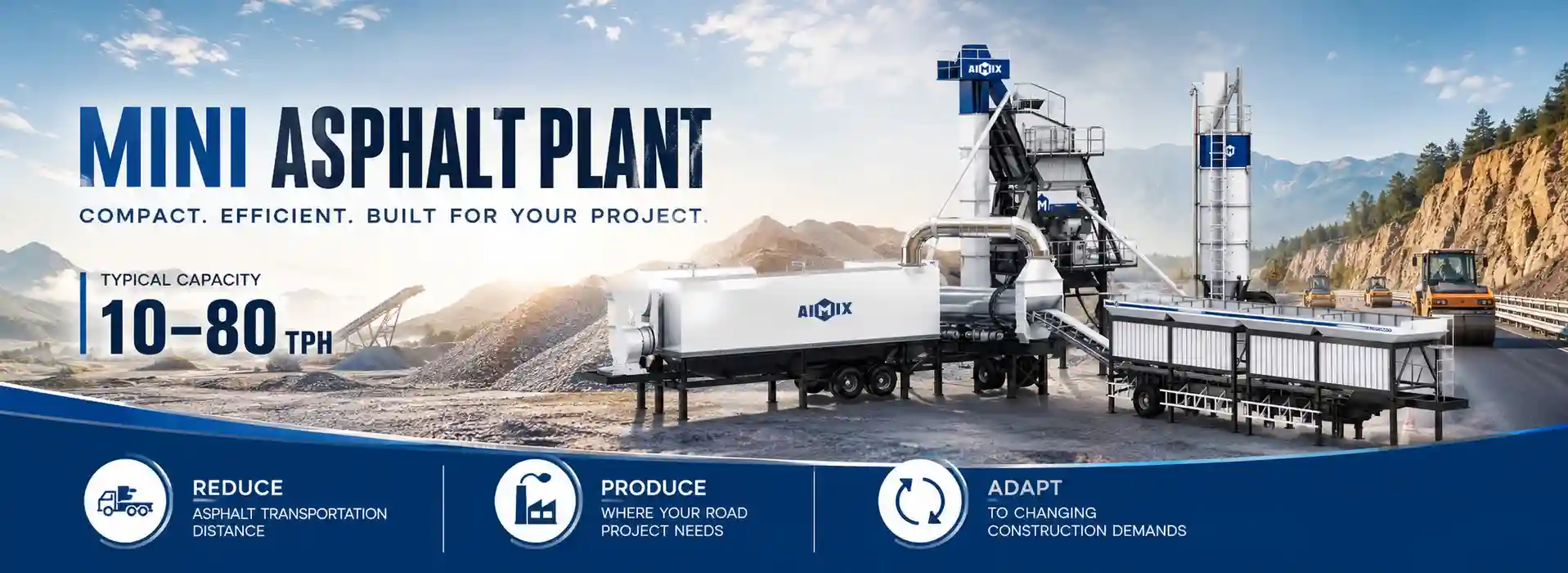
9. Find The Right Mini Asphalt Mixing Plant For Your Remote Road Repair Project
For remote road repair projects, the most suitable mini asphalt mixing plant is not necessarily the smallest or the cheapest model. It is the plant that matches actual asphalt demand, transportation limitations, material availability, and project operating conditions.
For small and scattered maintenance work, a 10–20 TPH configuration may be sufficient. For regular rural road rehabilitation, a 20–40 TPH plant can offer greater production flexibility. Meanwhile, contractors managing larger regional maintenance programs may consider 40–60 TPH equipment, provided that sufficient demand supports its operation.
Before making a purchase decision, evaluate production capacity, mobile or stationary configuration, fuel consumption, asphalt quality control, transportation expenses, and after-sales support. A well-matched plant can help contractors improve asphalt supply efficiency, reduce dependence on distant suppliers, and manage remote construction projects with greater control.
Planning a road repair project in a remote area? Contact AIMIX to discuss your required asphalt production capacity, project location, material conditions, and equipment preferences. Our team can help you evaluate a suitable mini asphalt mixing plant configuration and prepare a project-based quotation for your construction needs.