
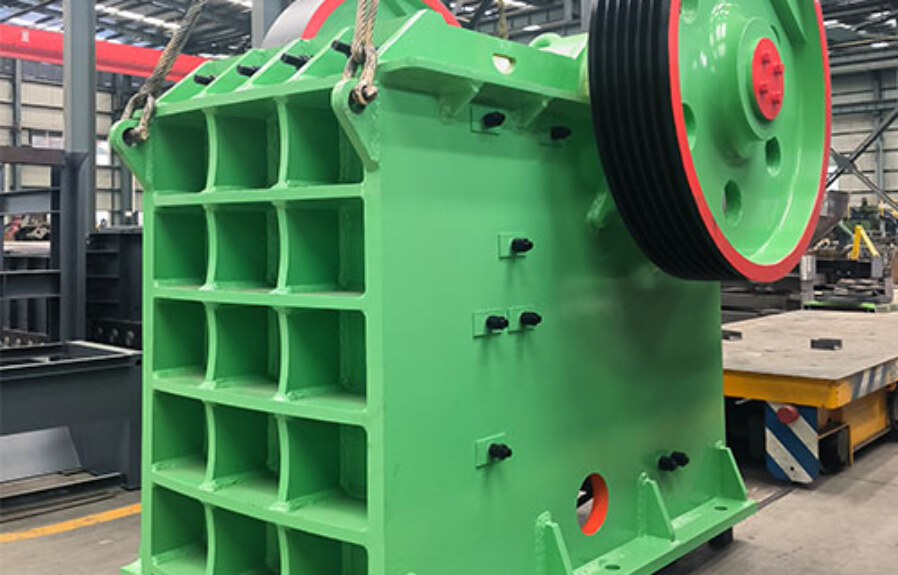
In mining, quarrying, and aggregate production, a jaw crusher is one of the most important pieces of equipment in the entire crushing process. It is responsible for reducing large rocks into smaller sizes before they enter secondary crushing, screening, or other material-processing stages. Because it often operates under heavy loads and continuous working conditions, its reliability directly affects the productivity and operating costs of the entire crushing plant.
However, not all jaw crushers offer the same level of durability. Some machines experience bearing overheating, frame cracks, excessive vibration, and frequent component replacement after relatively short periods of operation. Others continue working reliably for years under demanding quarry conditions. Why is there such a significant difference?
The answer is not simply the machine’s appearance, motor power, or initial purchase price. The actual service life of a jaw crusher depends on several important factors, including bearing quality, frame strength, manufacturing precision, wear-resistant materials, and daily maintenance practices.
At UNIQUEMAC, we understand that equipment reliability is essential for long-term profitability. Our manufacturing approach focuses on heavy-duty structures, carefully selected components, precision machining, and practical quality inspections. By paying attention to the details that are not always visible from the outside, we aim to provide crushing equipment that performs reliably in demanding applications.
In this article, we will examine the five major factors affecting jaw crusher durability, explain how manufacturing quality influences equipment performance, and share real project feedback from UNIQUEMAC customers in different markets.
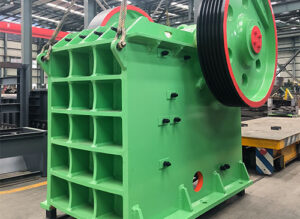
Why Does Jaw Crusher Durability Matter?
For mining companies and aggregate producers, equipment breakdowns create much more than repair expenses. When a jaw crusher stops working unexpectedly, the entire production process may be affected. Secondary crushers can experience material shortages, screening equipment may remain idle, and operators may need to reorganize production schedules.
Consider a granite quarry operating a crushing plant for several hours every day. If its primary jaw crusher frequently stops because of bearing overheating or structural problems, the production line cannot maintain a stable material flow. Even if the original equipment price was relatively low, repeated maintenance, replacement parts, labor expenses, and lost production can gradually increase the total investment.
This is why experienced quarry operators pay close attention to equipment quality rather than focusing exclusively on the initial purchase price.
A reliable jaw crusher should have a strong mechanical structure, suitable bearing capacity, accurately machined components, and wear parts designed for the materials being processed. These characteristics help reduce unnecessary downtime and make maintenance more predictable.
For buyers planning a new crushing plant, evaluating equipment durability before purchasing can make a substantial difference to long-term operating costs. A machine designed for continuous heavy-duty applications may require a higher initial investment, but its potential advantages in operating stability, maintenance frequency, and service life can make it a more economical choice over time.
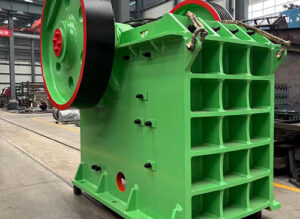
Five Key Factors That Affect Jaw Crusher Service Life
Understanding the main causes of premature equipment failure helps buyers identify the differences between ordinary crushing machines and properly engineered heavy-duty jaw crushers.
Bearing Quality and Load Capacity
Bearings are among the most important components in a jaw crusher. They support rotating shafts, maintain the correct mechanical position, and transfer operational loads during the crushing process.
During operation, a jaw crusher experiences repeated mechanical forces as the moving jaw compresses rocks against the fixed jaw plate. These forces create significant loads on the eccentric shaft and its supporting bearings. When processing hard materials such as granite, basalt, and other abrasive rocks, the equipment must withstand demanding working conditions over extended periods.
If a crusher uses bearings with insufficient load capacity or unsuitable specifications, several problems may develop. Excessive loading can increase friction and operating temperature, while poor lubrication or incorrect installation may accelerate bearing wear. In more serious situations, bearing damage can lead to unexpected shutdowns and expensive maintenance work.
For this reason, bearing selection should consider more than the manufacturer’s brand name. Dynamic load ratings, static load ratings, operating speed, lubrication requirements, installation accuracy, and actual working conditions are all important factors.
UNIQUEMAC uses recognized bearing brands such as SKF and Timken for relevant equipment configurations, with component specifications selected according to the machine design and application requirements. Proper bearing selection, accurate installation, and suitable lubrication practices work together to support stable operation.
For buyers comparing different jaw crusher manufacturers, it is worth asking which bearing brands and models are used, whether the specifications match the equipment’s working loads, and how the bearings are installed and maintained.
Main Frame Strength and Structural Design
The main frame is the foundation of a jaw crusher. It supports the crushing mechanism and withstands the mechanical forces generated during operation. Its structural quality directly influences the machine’s ability to maintain stability under repeated loading and vibration.
A poorly designed frame may experience excessive deformation or fatigue when subjected to demanding working conditions. Weak welded joints, unsuitable plate thickness, inadequate reinforcement, and insufficient manufacturing control can increase the risk of cracks and structural damage.
This problem becomes particularly important in hard-rock applications. Granite and basalt crushing require substantial crushing forces, and the equipment must maintain its structural integrity while handling repeated impact and compression loads.
A heavy-duty jaw crusher therefore needs a frame designed around the machine’s operating loads rather than appearance alone. Appropriate structural dimensions, suitable steel materials, reliable welding procedures, and proper stress-control processes all contribute to mechanical stability.
UNIQUEMAC focuses on reinforced structural designs and manufacturing processes using cast steel or stress-relieved Q235 steel, depending on the equipment configuration. These approaches help improve structural stability and reduce the risk of problems associated with residual manufacturing stress and repeated vibration.
When evaluating a jaw crusher, buyers should examine the frame construction, welding quality, reinforcement arrangement, and overall manufacturing workmanship. A strong frame is not simply a visual feature; it is an important foundation for long-term equipment reliability.
CNC Machining and Assembly Precision
Even when a crusher uses high-quality steel and branded bearings, poor machining accuracy can still lead to premature mechanical problems.
Jaw crushers contain several interconnected mechanical components. The eccentric shaft, bearing seats, connecting parts, and other critical components must be manufactured and assembled according to appropriate dimensional tolerances.
If machining accuracy is insufficient, shaft alignment may become inaccurate and bearing positions may deviate from their intended dimensions. These problems can create uneven loading, additional friction, abnormal vibration, and accelerated component wear.
For example, an improperly machined bearing seat may affect how the bearing fits into the assembly. If the installation position or alignment is incorrect, the bearing may experience unfavorable operating conditions even when its original quality is excellent.
CNC machining centers help manufacturers control important dimensions more consistently. Compared with less controlled machining methods, CNC equipment can improve dimensional repeatability and support more accurate production of critical mechanical components.
At UNIQUEMAC, CNC machining is an important part of the manufacturing process. Together with appropriate assembly procedures and quality inspections, it helps maintain the dimensional accuracy required for stable equipment operation.
When visiting a crusher factory, buyers should pay attention to more than the final painted machine. Inspecting machining equipment, bearing installation areas, shaft components, and assembly procedures can provide a clearer understanding of the manufacturer’s production capabilities.
Jaw Plate Materials and Wear Resistance
Jaw plates are the main wear components in a jaw crusher because they directly contact and crush the incoming materials. Their material composition, hardness, toughness, and wear resistance have a significant influence on maintenance intervals and operating expenses.
Different materials create different wear conditions. When crushing highly abrasive rocks, jaw plates may gradually lose their original profiles. As wear increases, the crusher’s crushing performance and discharge characteristics can change, making regular inspection and timely replacement necessary.
High-manganese steel is commonly used for jaw crusher wear parts because of its ability to work under repeated impact conditions. Materials such as Mn13 and Mn18 may be selected according to the application and operating requirements. Under suitable conditions, work hardening helps improve the surface wear resistance of these materials.
However, choosing a higher manganese content does not automatically guarantee better performance. The appropriate material depends on the hardness and abrasiveness of the feed material, the crushing conditions, the jaw plate design, and the actual impact loading.
UNIQUEMAC offers high-manganese steel options such as Mn13 and Mn18, as well as other wear-resistant material solutions where suitable. The objective is to match the wear parts with the customer’s production conditions and help control replacement frequency and maintenance costs.
For buyers, it is important to ask about the jaw plate material, manufacturing quality, expected wear characteristics, and availability of replacement parts before making a purchasing decision.
Operating Conditions and Regular Maintenance
High-quality components alone cannot guarantee a long equipment service life. Even a well-manufactured jaw crusher can experience premature wear if it is operated incorrectly or maintained poorly.
One common problem is overfeeding. When too much material enters the crushing chamber, the machine may operate under excessive loading. Oversized rocks, unsuitable feed distribution, and uncrushable materials can also create abnormal mechanical stress.
Another important factor is lubrication. Bearings require appropriate lubrication to reduce friction, control operating temperatures, and protect internal surfaces from premature wear. Insufficient lubrication, contaminated grease, or incorrect lubrication intervals may significantly shorten bearing service life.
Installation conditions are equally important. An unstable foundation, incorrect alignment, or inadequate fastening can contribute to unnecessary vibration and mechanical stress.
To maintain reliable jaw crusher performance, operators should establish a practical preventive maintenance schedule that includes:
- Inspecting bearings for abnormal temperature, noise, and vibration.
- Checking lubrication condition and following the manufacturer’s recommended lubrication intervals.
- Inspecting jaw plates and other wear parts for excessive wear or damage.
- Checking bolts, fasteners, welded joints, and structural connections.
- Monitoring the feed size and ensuring that material enters the crushing chamber appropriately.
- Keeping the crushing chamber free from unsuitable or uncrushable materials.
- Recording operating conditions, maintenance activities, and replacement history.
These practices help operators identify developing problems before they cause major equipment failures. Combined with proper equipment selection and manufacturing quality, regular maintenance is essential for achieving a longer service life.
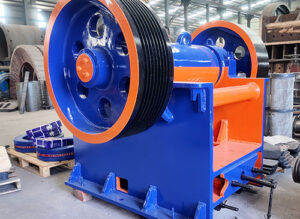
UNIQUEMAC Heavy-Duty Manufacturing Advantages: What Makes the Difference?
The differences between crushing equipment are not always obvious from the outside. Two jaw crushers may have similar dimensions, motor power, and production capacity, but their internal components and manufacturing standards can be very different.
At UNIQUEMAC, we believe that reliable equipment begins with the quality of its materials and the precision of its manufacturing processes. Our approach focuses on several important areas that influence long-term equipment performance.
Carefully Selected Core Components
Bearings, shafts, structural components, and wear parts all contribute to the overall performance of a jaw crusher. Using appropriate specifications for these components helps the machine handle its intended working loads more effectively.
For relevant configurations, UNIQUEMAC uses recognized bearing brands such as SKF and Timken. Combined with appropriate mechanical design and installation procedures, these components help support reliable operation in demanding crushing applications.
Heavy-Duty Frame Manufacturing
The frame must withstand the forces generated throughout the crushing process. UNIQUEMAC focuses on structural strength, appropriate material selection, and manufacturing quality to help improve the machine’s ability to handle repeated operating loads.
Depending on the equipment design, cast steel or stress-relieved Q235 steel structures may be used. Welding quality and structural inspection are also important parts of manufacturing control.
Precision Machining and Assembly
Manufacturing precision influences how different mechanical components work together. UNIQUEMAC uses CNC machining equipment for important machining operations to help control component dimensions and improve assembly consistency.
Attention to shaft dimensions, bearing seats, and component alignment helps reduce the risk of problems caused by inaccurate machining or improper assembly.
Wear-Resistant Materials for Different Applications
Different crushing materials require different wear-part solutions. UNIQUEMAC provides wear-resistant material options, including Mn13 and Mn18 high-manganese steel, depending on the equipment configuration and application requirements.
By considering material characteristics and working conditions, buyers can select suitable wear parts for their production requirements.
The following table summarizes several important differences that buyers should consider when comparing crusher manufacturing quality.
| Core Component | Common Quality Risks | UNIQUEMAC Manufacturing Focus |
|---|---|---|
| Bearings | Unsuitable load ratings, poor installation, and inadequate lubrication | Recognized bearing brands and application-based specifications |
| Main Frame | Insufficient structural strength, poor welding, and residual stress | Cast steel or stress-relieved Q235 steel, depending on design |
| Machining | Inaccurate dimensions and poor shaft alignment | CNC machining and controlled assembly procedures |
| Wear Parts | Unsuitable material selection and accelerated wear | Mn13, Mn18, and other suitable wear-resistant options |
The real value of heavy-duty manufacturing is not simply using more expensive components. It is ensuring that the frame, bearings, shafts, wear parts, and assembly processes work together as a complete mechanical system.
Real Customer Feedback: UNIQUEMAC Projects in Different Markets
Manufacturing quality becomes more meaningful when customers can see how equipment performs in actual working environments. UNIQUEMAC has served customers in different countries and industries, including mining, granite crushing, and river stone processing.
The following project feedback illustrates the practical concerns customers have when selecting crushing equipment.
Peru: Nazca Copper Mine
Application: Copper mining and semi-mobile crushing operations
At the Nazca Copper Mine in Peru, the customer previously experienced overheating problems with the bearings of a cone crusher. Bearing-related problems can create unexpected maintenance requirements and affect the continuity of crushing operations, particularly in mining environments where equipment availability is important.
After switching to a UNIQUEMAC semi-mobile crushing station, the customer reported:
“Our previous cone crusher kept overheating due to bad bearings. Since switching to UNIQUEMAC’s semi-mobile station, we’ve run 24/7 with zero bearing failures.”
This feedback highlights the importance of suitable bearing selection and equipment manufacturing quality in mining applications.
It is worth noting that this particular case involves a cone crusher rather than a jaw crusher. Nevertheless, it demonstrates the importance of core component quality across different types of crushing equipment.
Philippines: 200 TPH Granite Crushing Project
Application: Granite aggregate production
Granite is a hard and abrasive material that places considerable demands on crushing equipment. The main frame must withstand repeated mechanical forces while maintaining structural stability throughout the production process.
According to the customer, their previous jaw crusher experienced frame cracking within one year of operation. Structural problems created concerns about equipment reliability and long-term maintenance costs.
After adopting UNIQUEMAC equipment, the customer reported:
“The main frame on our old jaw crusher cracked within a year. UNIQUEMAC’s reinforced frame has been running smoothly for years, even with hard granite.”
This project demonstrates why frame design, structural reinforcement, and manufacturing quality deserve careful attention when selecting a jaw crusher for granite applications.
For granite quarries planning continuous aggregate production, a properly designed heavy-duty frame can be an important factor in maintaining equipment stability and reducing unexpected structural maintenance.
Ecuador: 120 TPH River Stone Project
Application: River stone crushing
For customers investing in crushing equipment, evaluating manufacturing quality before placing an order can be difficult. Product photographs and technical specifications cannot always reveal the details of internal components, welding quality, and assembly procedures.
During a factory visit, UNIQUEMAC’s Ecuadorian customer, Mr. Antonio, inspected the manufacturing workshop and paid particular attention to welding quality and bearing components.
After seeing the production processes firsthand, he commented:
“This is the first factory that actually shows me what’s inside the machine.”
The visit demonstrated the value of transparent manufacturing and direct communication between equipment suppliers and customers.
For international buyers, visiting a manufacturer’s factory provides an opportunity to inspect production facilities, understand manufacturing procedures, and discuss equipment specifications before making an investment.
How to Choose a Reliable Jaw Crusher Manufacturer
Selecting a jaw crusher manufacturer is an important decision for any mining or aggregate production business. A machine’s purchase price is only one part of the investment. Buyers should also evaluate manufacturing quality, technical support, spare parts availability, and the supplier’s ability to meet specific project requirements.
Here are several practical points worth checking before placing an order.
Check the Manufacturer’s Production Facilities
A reliable manufacturer should be able to explain how its equipment is produced and what quality-control procedures are followed.
If possible, arrange a factory visit or request a live video inspection. Pay attention to the machining workshop, welding processes, component assembly, and finished equipment inspection.
Do not focus exclusively on the finished machine. The manufacturing process behind it often reveals more about the supplier’s actual production capabilities.
Ask About Core Component Specifications
Before purchasing, request detailed information about the main bearings, eccentric shaft, frame material, jaw plate material, and other important components.
Ask whether the specifications are appropriate for the materials you intend to process. A jaw crusher designed for limestone may not be the best choice for a demanding granite or basalt application without suitable configuration adjustments.
Match Equipment Capacity to Your Production Requirements
A crusher’s nominal capacity does not always represent its actual production output under every working condition.
Actual capacity depends on factors such as feed size, material hardness, moisture content, discharge opening, crushing chamber design, and operating conditions.
When requesting a quotation, provide the supplier with your expected hourly capacity, maximum feed size, required output size, and material type. This information helps the manufacturer recommend a more suitable configuration.
Evaluate Spare Parts and After-Sales Support
Even reliable equipment requires routine maintenance and eventual replacement of wear components.
Before purchasing, confirm whether the manufacturer can supply jaw plates, bearings, toggle plates, and other necessary spare parts. It is also important to understand the supplier’s technical support arrangements and maintenance guidance.
A manufacturer with clear spare parts and service arrangements can help reduce the difficulty of managing equipment maintenance over the long term.
Compare Total Cost of Ownership
When comparing two jaw crushers, do not look only at their initial prices.
Consider the expected maintenance requirements, wear-part consumption, component replacement costs, energy consumption, and potential production losses caused by downtime.
A lower-priced machine may become more expensive if it requires frequent repairs or replacement of important components.
For mining companies and quarry operators, the more meaningful question is not simply which crusher costs less today, but which machine can deliver better long-term operating value.
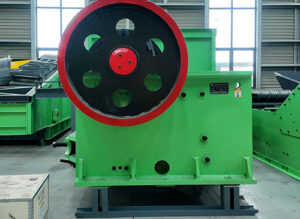
Frequently Asked Questions About Jaw Crusher Durability
Q1: Why do some jaw crushers break down faster than others?
The main reasons include unsuitable bearing specifications, insufficient frame strength, inaccurate machining, low-quality wear parts, improper installation, and inadequate maintenance.
These factors can cause premature bearing wear, abnormal vibration, structural fatigue, and excessive component consumption. Choosing equipment with appropriate heavy-duty specifications and following recommended maintenance procedures can help reduce these risks.
Q2: How long should a jaw crusher last?
There is no universal service-life figure for every jaw crusher. Actual service life depends on equipment design, manufacturing quality, material characteristics, operating hours, maintenance practices, and replacement of wearing components.
A properly selected and maintained jaw crusher can provide years of productive operation, but its service life should always be evaluated according to actual working conditions rather than a fixed marketing claim.
Q3: Which bearings are suitable for heavy-duty jaw crushers?
Bearings from recognized manufacturers such as SKF and Timken are used in many industrial applications. However, brand reputation alone does not determine suitability.
The bearing model, load rating, shaft design, operating speed, lubrication conditions, and installation accuracy must all match the crusher’s mechanical requirements.
Q4: What causes jaw crusher frame cracks?
Frame cracks may result from repeated mechanical stress, inadequate structural design, poor welding quality, residual manufacturing stress, unstable installation foundations, or abnormal operating loads.
Regular inspection of welded joints, structural connections, and machine foundations can help identify potential problems before they develop into serious failures.
Q5: Which jaw plate material is best for crushing granite?
High-manganese steel, including Mn13 and Mn18, is commonly considered for jaw crusher applications. However, the best material depends on the granite’s abrasiveness, operating conditions, crushing chamber design, and impact characteristics.
Buyers should consult the equipment manufacturer to select a suitable wear-part configuration.
Q6: How can I reduce jaw crusher maintenance costs?
Start by selecting equipment that matches your actual production requirements. Avoid continuous overloading, maintain appropriate feed conditions, follow lubrication recommendations, and inspect bearings and wear parts regularly.
Keeping essential spare parts available and maintaining an equipment service record can also help reduce unexpected downtime and improve maintenance planning.
Q7: How can I verify the manufacturing quality before buying?
The most direct approach is to visit the manufacturer’s factory and inspect the production facilities.
Check the machining equipment, welding quality, frame construction, bearing specifications, wear-part materials, and assembly procedures. If an on-site visit is not possible, request detailed manufacturing photographs, inspection videos, and technical documentation.
UNIQUEMAC welcomes customers to visit our factory and learn more about our manufacturing processes, just as our Ecuadorian customer Mr. Antonio did.
Choose UNIQUEMAC for Reliable Heavy-Duty Crushing Equipment
A jaw crusher is not simply a machine that reduces large rocks into smaller pieces. It is a critical part of your production system, and its reliability directly affects your plant’s productivity, maintenance expenses, and long-term profitability.
The difference between equipment that frequently breaks down and equipment that operates reliably for years often lies in details that buyers cannot easily see from the outside. Bearing specifications, frame construction, machining accuracy, wear-resistant materials, and assembly quality all contribute to the final performance of the machine.
At UNIQUEMAC, we focus on these important manufacturing details to provide reliable crushing solutions for mining companies, quarry operators, and aggregate producers worldwide.
Whether you are planning a granite crushing plant, a river stone production line, or a mining crushing project, our team can help you select suitable equipment according to your material characteristics, production capacity, feed size, and final product requirements.
Stop focusing only on the initial purchase price. Choose crushing equipment designed to deliver long-term operating value.
Contact UNIQUEMAC today for professional equipment recommendations, a free project design, and a factory-direct quotation.
UNIQUEMAC – Building Reliable Crushing Solutions for Global Mining and Aggregate Industries.