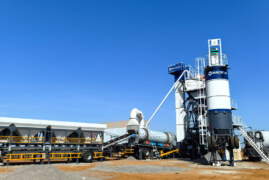
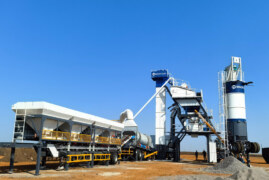
In extremely cold areas road construction, low temperatures pose significant challenges for asphalt production. The viscosity of asphalt increases dramatically, and aggregates can freeze and agglomerate, complicating the production process and impacting equipment performance. To ensure that mobile asphalt batch mix plants can consistently produce asphalt mixtures that meet low-temperature construction requirements, it is essential to implement equipment structure transformations and optimize process parameters. This article explores effective strategies for achieving stability in asphalt production in such harsh environments.

Equipment Structure Transformations
To combat the effects of extremely low temperatures, mobile asphalt batch mix plant must undergo specific structural transformations. One critical aspect is the thermal insulation design of key components. Installing multi-layer thermal insulation cotton and electric tracing devices for asphalt storage tanks and conveying pipelines can significantly prevent asphalt from cooling and solidifying during transportation. This setup ensures that the asphalt maintains the necessary temperature for optimal mixing and application.
Additionally, upgrading heating systems is crucial. Effective heating solutions, such as high-efficiency electric heaters or hot oil systems, can provide the necessary warmth to keep asphalt and aggregates at appropriate temperatures. These improvements not only prevent freezing but also enhance overall production efficiency in extremely cold conditions.

Process Parameter Optimization
In conjunction with structural improvements, optimizing process parameters is vital to ensuring the quality of asphalt mixtures. Adjusting the asphalt heating temperature is one of the most effective ways to combat increased viscosity. By raising the heating temperature slightly above standard levels, asphalt can maintain its workability even in cold conditions.
Furthermore, extending the aggregate drying time is essential for ensuring that aggregates are completely thawed before they are mixed with asphalt. Utilizing pre-heating devices and graded drying processes can help achieve the desired moisture content in aggregates, avoiding any negative impact on gradation and strength. This careful management of drying and heating processes ensures that the final mixture meets quality standards, even under challenging environmental conditions.

Energy Efficiency and Material Durability
Adapting mobile asphalt batch mix plants for extremely cold areas also imposes specific requirements on energy efficiency and material durability. The energy consumption control of the heating system becomes a critical consideration, as efficient energy use can minimize operational costs while maintaining effective heating. Implementing advanced monitoring systems can help optimize energy use, ensuring that the equipment operates efficiently without excessive energy expenditure.
Moreover, the low-temperature resistance of materials used in the equipment must be carefully evaluated. Components such as metal parts should be designed to resist freezing and cracking, while rubber seals must possess low-temperature aging resistance. These adaptations ensure that the equipment remains reliable and functional in extremely cold conditions, ultimately contributing to production stability.
Core Technical Difficulties
Compared to mobile batch plants used in normal temperature areas, those designed for extremely cold areas road construction face unique technical challenges. The core difficulties include maintaining consistent production stability while managing the effects of low temperatures on both asphalt and aggregates. Overcoming these challenges requires a comprehensive approach that encompasses equipment upgrades, process optimizations, and stringent quality control measures.

In conclusion, mobile asphalt batch mix plants must be equipped to handle the specific demands of extremely cold areas road construction. By focusing on equipment structure transformations, optimizing process parameters, and ensuring energy efficiency and material durability, these plants can consistently produce high-quality asphalt mixtures, even in harsh conditions. This proactive approach not only enhances operational efficiency but also ensures the successful completion of road construction projects in extremely cold environments.