In a clear indication of a full thaw in diplomatic relations, the new interim government in Venezuela, led by Delcy Rodríguez, is set to roll out a new and bold strategy to woo billions of dollars in mining investments from the United States. This comes just two months after the capture of Maduro by U.S. forces. In this new strategy, the U.S. and Venezuela are working in close collaboration. A delegation of the U.S. government, led by Interior Secretary Doug Burgum, composed of over twenty executives of top mining companies in the United States, visited Venezuela this week, marking the strongest level of rapprochement between the two countries in the economic arena.
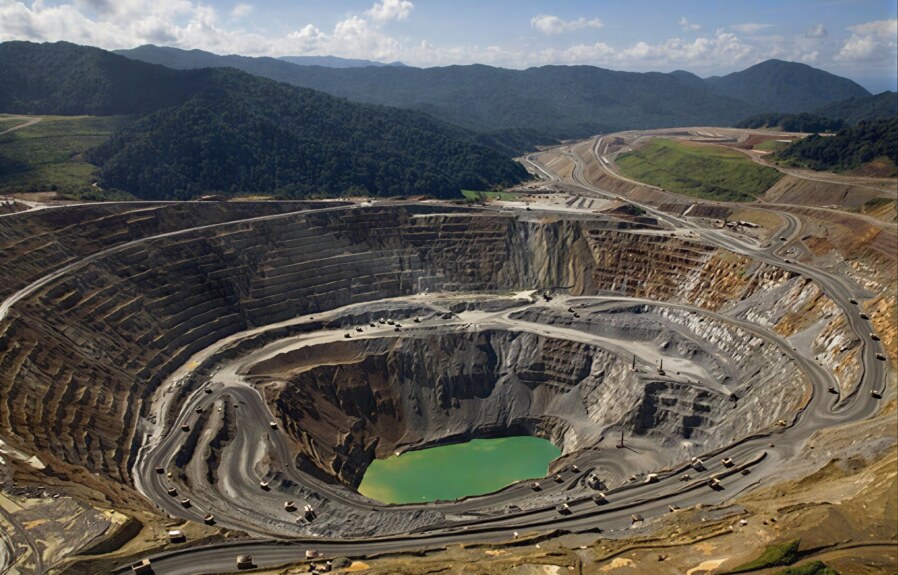
A major part of this strategy is a sweeping overhaul of the mining law of 1999, modeled on the recently deregulated oil sector. In this new framework, the government is looking to reduce taxes, provide mining companies with greater autonomy, and guarantee the legal protection of foreign investors. Rodríguez was quoted saying, “We want the mining sector to be similar to the model of the hydrocarbons sector, which has been a success in the country.” In this new strategy, Venezuela is looking to unlock the vast reserves of gold, copper, diamonds, iron ore, bauxite, and coltan, which have remained largely untapped due to the extensive level of nationalization and state control in the mining sector.
Secretary Burgum described the agreement as a foundation stone for the United States, an essential step in the creation of a homegrown supply chain in strategic minerals used in the most advanced technology and in the United States’ defense, free from the grasp of other countries. He further explained that the United States Treasury is in the process of launching general licenses allowing American mining operations in Venezuela, despite the ongoing sanctions. “The companies represented here today represent billions in investment and thousands of well-paying jobs,” he said, adding that the Rodríguez administration has given guarantees on security to those businesses that are performing due diligence in resource-rich, unstable regions like the Orinoco Mining Arc.
However, there are a lot of challenges ahead, particularly since there are concerns among potential investors due to the history of mass expropriations in Venezuela, which has left international businesses, like Crystallex, with huge debts that remain unpaid. In addition, there are concerns about the security of the mining operations, considering that large tracts of the mining regions are controlled by illegal armed groups that are engaging in illegal mining activities, raising serious concerns about the level of corruption in the operations. Nevertheless, the resumption of the Miami-Caracas flights and the eagerness of American executives to operate in Venezuela suggest that the government is banking on the untapped resources in the country to overcome the ghosts of the past.