As the world is increasingly trying to accelerate the shift towards clean and green energy, Latin America has emerged as the critical juncture in the quest to access the critical raw materials required to power the energy transition. An overall view of the investments made in the region reveals that the region, which is home to about 38% of the world’s copper reserves and the majority of the lithium reserves, is seeing an unprecedented level of investments. New data released by McKinsey & Company has revealed that in the first three quarters of the year, about 74% of the total mining and merger and acquisition value in the world was directed towards Latin American assets, with the overall transaction value increasing by over 100% since 2021.
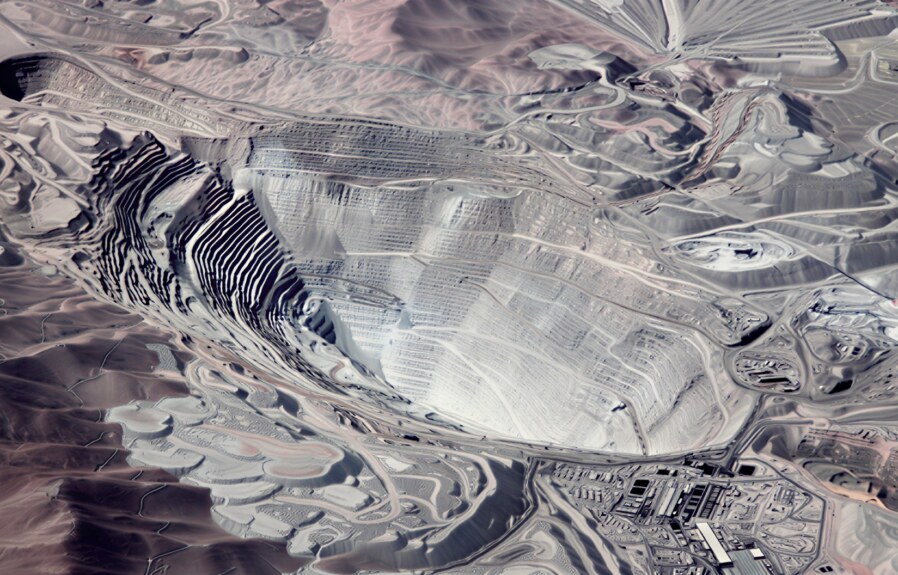
Chile and Peru, the backbone of the Pacific Alliance, are critical in the global copper mining industry due to the huge reserves of the metal in the region. In 2024, Chile alone contributed about 24% of the world’s copper and 23% of the lithium reserves. However, the mining industry is facing a number of challenges, particularly due to the low grades of the ores and the lack of new large-scale projects in the region.
This has led to a strategic shift towards investing heavily in the region to ensure the continued output of the critical metals. In this regard, the government has developed a pipeline of $831.8 billion investments in the copper sector in the region in the period between 2024 and 2033. However, the mining sector is also seeing a number of large-scale players, particularly Glencore, which is betting on a future in which the growth in the mining sector will depend on a strategic axis between Peru, Chile, and a new frontier, Argentina.
Argentina is rapidly emerging as a key player in the lithium industry, breaking the mold with its pro-market, investment-grade approach. Chile and Bolivia favour state-led or nationalized industry, but Argentina has attracted investment dollars from Canada to China by supporting a decentralized, private-led industry. This is evidenced by the fact that six lithium projects are currently under construction, with fifteen more under advanced exploration.
This is already being felt in global supply chains. In fact, POSCO Group, the giant Korean conglomerate, signed its largest lithium supply contract to date, committing up to 25,000 tons of Argentine lithium to SK On, which will be supplied from the Hombre Muerto salt flats. This is important, as Argentina has the ability to triple its supply and become an integral part of the global supply chain for EV batteries, helping to alleviate supply chain concerns for major manufacturers.
This is all part of a new world resource map, as evidenced by the $151 billion worth of projects currently under development throughout Latin America. This is about more than simply resource extraction; it is about a new level of strategic positioning by major world powers looking to diversify their supply chains. Chile’s policy changes are opening doors to new tech deals, and Argentina’s brine projects are supplying Korean battery needs. This region is rapidly becoming the engine room for the green revolution. In fact, as one Glencore executive so succinctly put it, “The world will need copper for the next 30 years, and that supply will be defined in South America.”