In modern mining operations, infrastructure development and material processing facilities require large volumes of high-quality concrete. From haul roads and crusher foundations to processing plants and tailings storage systems, concrete plays a critical role in ensuring operational stability and long-term durability. As a result, the role of a concrete batching plant company has expanded beyond traditional construction support into direct integration with mining infrastructure development. Today, mining companies increasingly rely on dedicated batching solutions to ensure continuous, on-site concrete supply in challenging environments.
Growing Importance of Concrete in Mining Projects
Mining projects are no longer limited to excavation and raw material extraction. Modern mining sites function as complete industrial ecosystems that include processing plants, maintenance workshops, accommodation camps, and logistics networks. Each of these components requires strong and durable concrete structures.
For example, crusher foundations must withstand heavy vibration and continuous mechanical impact. Similarly, conveyor support structures and material handling systems require stable bases to ensure operational safety. Tailings dams and water containment systems also depend heavily on high-strength concrete to prevent environmental risks.
Because of these requirements, mining companies cannot rely solely on external concrete suppliers. Remote mine locations, harsh terrain, and long transportation distances often make outsourcing inefficient and costly. This is where an integrated solution from a concrete batching plant company becomes essential.
On-Site Batching Plants for Mining Infrastructure
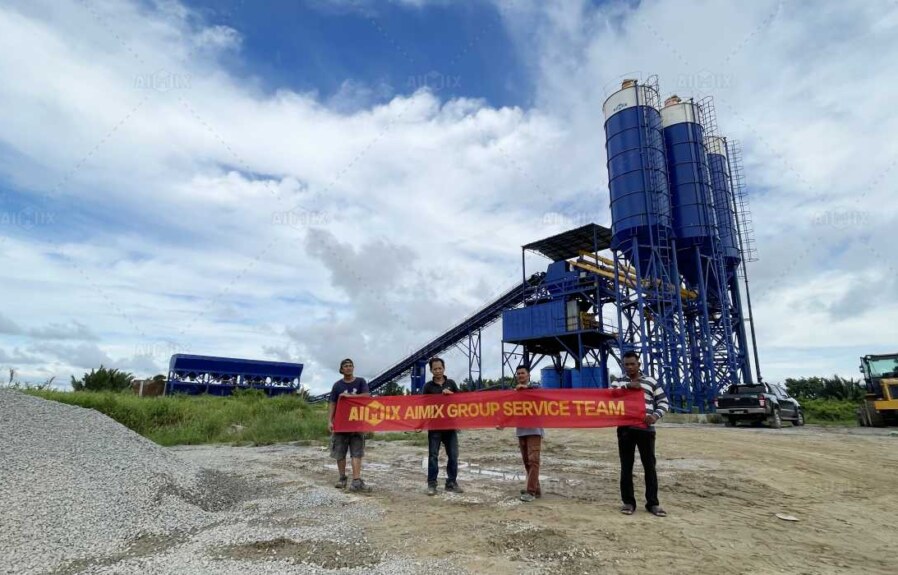
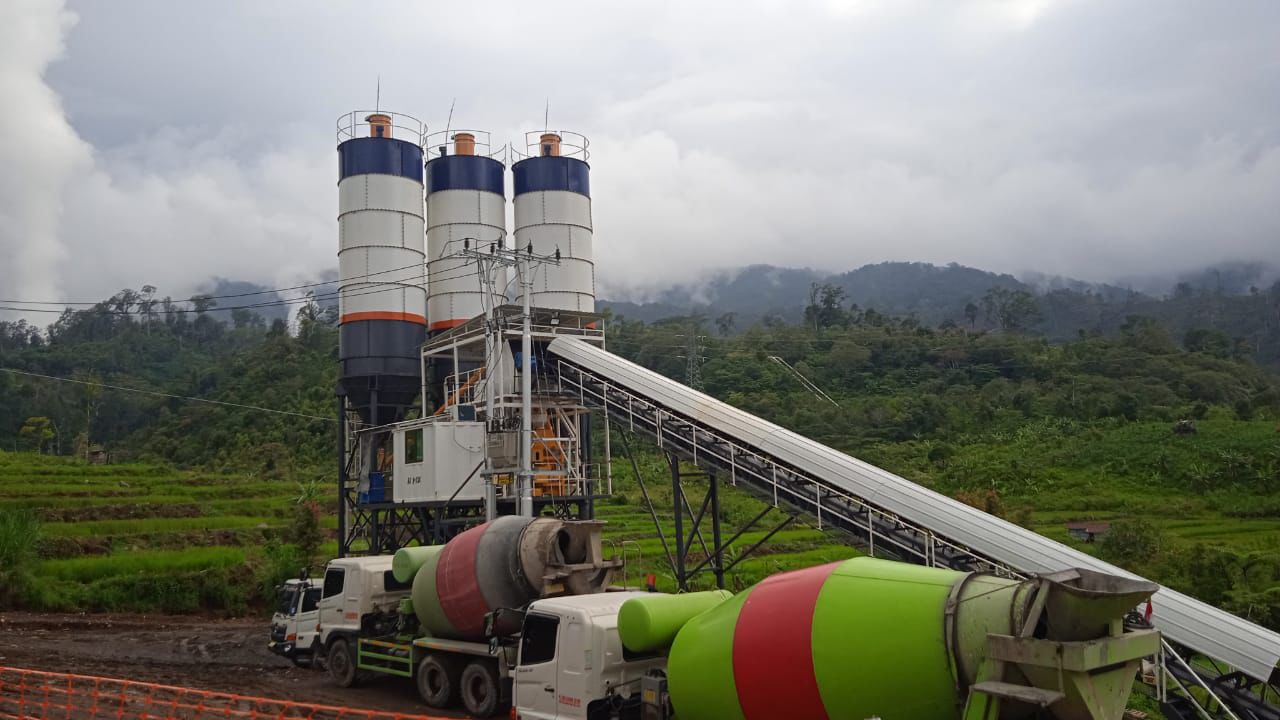
One of the most significant developments in mining construction is the deployment of on-site concrete batching plants. Instead of transporting ready-mix concrete from distant urban centers, mining operations now establish dedicated batching systems directly within or near project sites.
This approach ensures continuous supply of concrete, reduces transportation delays, and minimizes material quality degradation during transit. It also significantly lowers logistics costs, which can be extremely high in remote mining regions.
A professional concrete batching plant company typically provides customized solutions designed specifically for mining environments. These plants are often mobile or semi-mobile, allowing them to be relocated as mining operations expand or shift across different zones.
Integration with Material Processing Facilities
Mining infrastructure projects are closely connected to material processing systems such as crushing plants, screening units, and ore beneficiation facilities. These systems require strong concrete foundations and supporting structures capable of handling heavy dynamic loads.
A well-planned integration between batching plants and material processing projects ensures that concrete is produced exactly when and where it is needed. This synchronization improves construction efficiency and reduces downtime during plant installation or expansion.
For example, when constructing a mineral processing plant, continuous concrete supply is required for equipment foundations, retaining structures, and industrial buildings. A nearby batching plant ensures that construction progresses without interruption, even in remote or difficult environments.
Challenges of Mining Environments and Equipment Adaptation
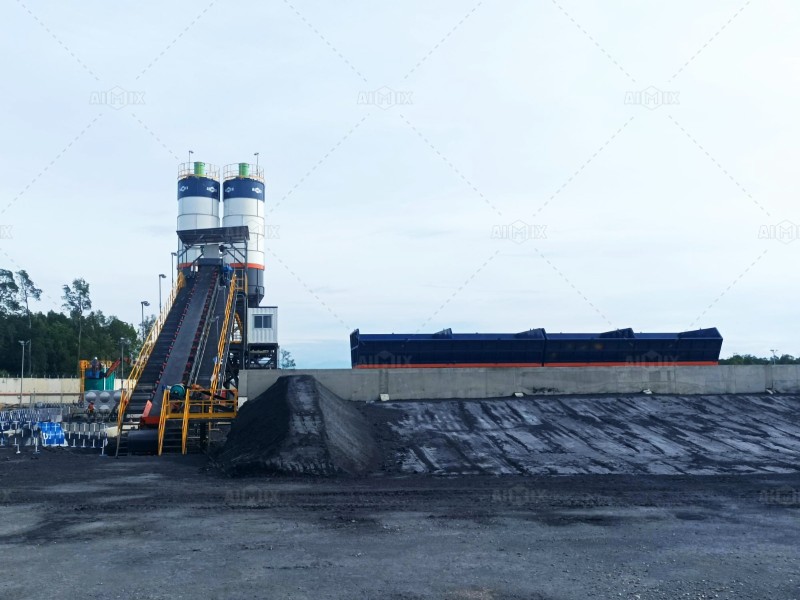
Mining sites present some of the most challenging working conditions for construction equipment. High dust levels, extreme temperatures, heavy vibration, and limited infrastructure all place additional demands on concrete production systems.
To address these challenges, a modern concrete batching plant company designs equipment with reinforced structures, dust-proof systems, and high-durability components. Mixing units and conveyors are built to withstand abrasive materials, while control systems are often protected against environmental damage.
In addition, water supply and power availability can be limited in mining areas. Therefore, batching plants are often designed with flexible power configurations, including diesel generators or hybrid energy systems, to ensure uninterrupted operation.
Role in Mining Road and Transportation Infrastructure
Efficient transportation networks are essential for mining operations. Heavy-duty haul roads, access routes, and logistics corridors must be constructed using high-quality concrete to support continuous movement of large mining vehicles.
Concrete batching plants play a direct role in supplying materials for these infrastructure projects. By producing concrete on-site, mining companies can build and maintain roads more efficiently, reducing wear and tear caused by heavy transport equipment.
A strategically positioned batching plant ensures that road construction can proceed in parallel with mining operations, supporting both short-term logistics and long-term site development.
Modular and Mobile Solutions for Expanding Mines
Mining operations often expand over time as new deposits are discovered or existing reserves are extended. This dynamic nature requires flexible construction solutions.
Mobile and modular batching plants provided by a concrete batching plant company are particularly suitable for such environments. These systems can be relocated and reassembled quickly, allowing them to follow the expansion of mining zones.
Modular designs also reduce installation time and civil engineering requirements. This is especially important in mining projects where rapid deployment is critical to maintaining production schedules.
Efficiency and Cost Control in Remote Locations
One of the biggest advantages of integrating a batching mixing plant into mining projects is cost reduction. Transporting ready-mix concrete over long distances can significantly increase project expenses due to fuel consumption, vehicle maintenance, and time delays.
By producing concrete directly at the mining site, companies gain full control over material supply and reduce dependency on external vendors. This improves cost predictability and enhances overall project efficiency.
In addition, on-site production reduces the risk of concrete quality deterioration, ensuring that structural requirements are consistently met.
Technological Advancements in Mining-Grade Batching Plants
Modern batching plants designed for mining applications incorporate advanced automation and monitoring systems. These technologies allow operators to manage production remotely, track material usage, and optimize mixing efficiency.
Digital control systems also help improve accuracy in concrete batching, which is critical for mining infrastructure that must meet strict engineering standards. Some systems even include predictive maintenance features that reduce downtime and extend equipment lifespan.
These innovations demonstrate how a concrete batching plant company is no longer just an equipment supplier but a technology partner in mining infrastructure development.
Conclusion
The integration of concrete batching plants into mining infrastructure and material processing projects represents a major shift in how mining construction is managed. Instead of relying on external supply chains, mining companies now adopt on-site or near-site production systems to ensure efficiency, reliability, and cost control.
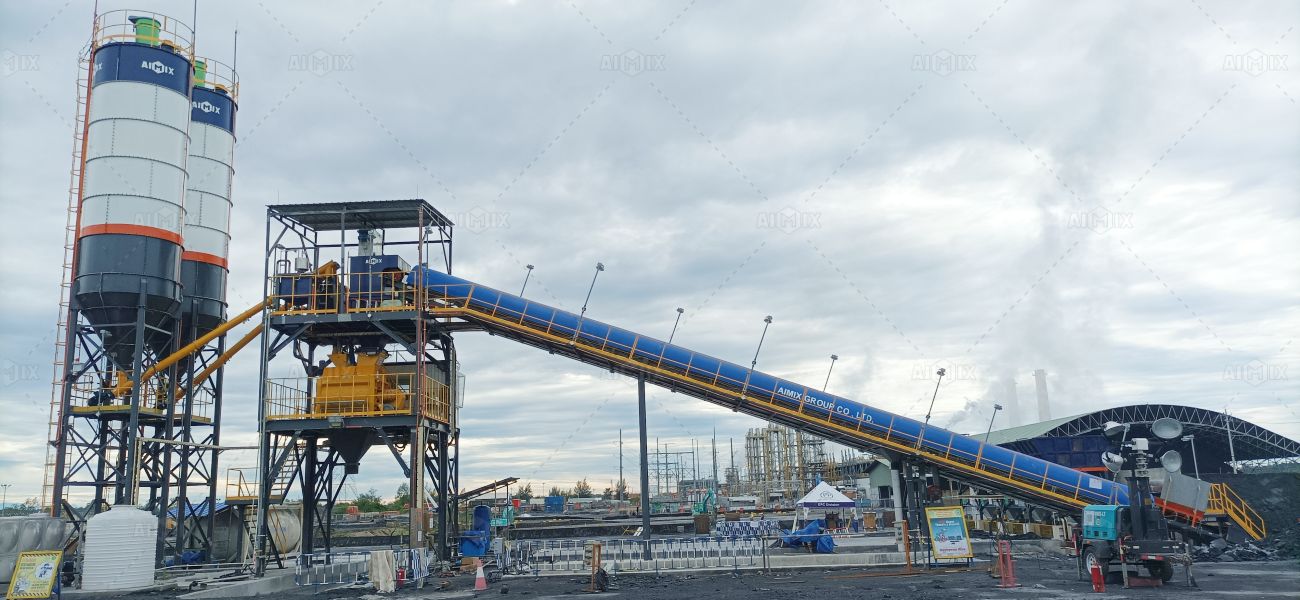
A modern concrete batching plant company plays a key role in this transformation by providing customized, durable, and mobile solutions tailored to harsh mining environments. From road construction and processing plant foundations to tailings systems and industrial buildings, batching plants are essential to supporting the full lifecycle of mining operations.
As mining projects continue to expand into more remote and challenging regions, the demand for integrated concrete production systems will continue to grow, making batching plant technology a critical component of future mining infrastructure development.