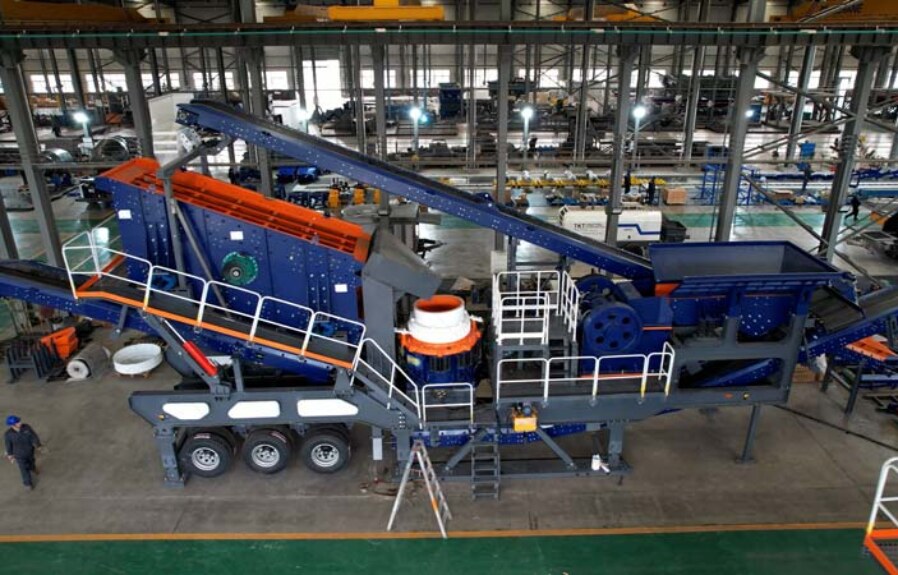
Peru’s construction sector has experienced steady growth, driven by infrastructure projects, housing developments, and mining-related works. Concrete producers across the country face a common challenge: securing a consistent supply of high-quality aggregate that meets strict technical standards. Unlike general fill material, concrete aggregates must satisfy precise requirements for gradation, particle shape, cleanliness, and durability. For crushing equipment suppliers and quarry operators, understanding these requirements is essential to serving the Peruvian market. A reliable stone crusher Peru operation must deliver products that perform well in concrete mixes while controlling production costs. Similarly, a well-designed aggregate crusher plant needs to be flexible enough to produce multiple product sizes on demand. This article outlines the key technical and operational demands Peruvian concrete producers place on their aggregate suppliers.
Particle Shape Requirements for Workable Concrete
The shape of aggregate particles significantly influences concrete workability and strength. Peruvian concrete producers overwhelmingly prefer cubical or rounded particles over flaky or elongated ones. Flat particles create voids that require more cement paste to fill, increasing material costs and reducing strength.
Why Cubical Shape Matters
A stone crusher Peru(chancadora de piedra Perú) operation that produces cubical aggregate helps concrete producers achieve higher slump values with less water. This directly translates to stronger, more durable concrete at a lower cement content. For an aggregate crusher plant, producing cubical material typically requires using an impact crusher (HSI or VSI) as the final crushing stage rather than relying solely on jaw or cone crushers. Many Peruvian concrete specifiers now require that at least 80% of coarse aggregate particles have a length-to-thickness ratio below 3:1. Meeting this standard means the aggregate crusher plant must be configured with the right crusher type and closed-circuit screening.
Regional Variations in Shape Preferences
In coastal cities like Lima and Trujillo, where high-rise construction demands pumpable concrete, cubicle aggregate is essential. In contrast, some highland projects may tolerate slightly more elongated particles for low-slump applications. However, any stone crusher Peru supplier aiming to serve multiple concrete plants should prioritize cubical output. An aggregate crusher plant that can switch between producing cubicle material for high-fluidity mixes and more economical products for mass concrete will win more contracts.
Gradation Consistency and Control
Peruvian concrete producers require strict adherence to gradation curves defined by NTP 400.037 (the Peruvian technical standard, aligned with ASTM C33). Even minor deviations in particle size distribution can alter water demand, affect setting time, and lead to rejected loads.
The Need for Multi-Product Capability
A typical aggregate crusher plant serving concrete producers must simultaneously produce several fractions: sand (0-4.75mm), fine coarse aggregate (4.75-12.5mm), and standard coarse aggregate (12.5-25mm). Larger projects may also require a 25-37.5mm fraction. The stone crusher Peru operator must be able to adjust screen decks and crusher settings quickly to switch between these products. Concrete producers also expect daily gradation test results. Therefore, an aggregate crusher plant should include on-site laboratory capabilities or a rapid sampling system to verify product quality before loading trucks.
Managing Fines Content
Excessive fines (material passing the No. 200 sieve) are a major complaint among Peruvian concrete producers. Fines increase water demand, reduce strength, and can cause cracking. A stone crusher Peru operation must control fines through proper crushing chamber selection, adequate dust extraction, and washing where necessary. For dry crushing, the aggregate crusher plant should include dust collection cyclones or baghouse filters. For wet processing, a sand screw or hydrocyclone can remove unwanted fines. Many concrete producers specify that manufactured sand must have a maximum of 7% passing the No. 200 sieve, with plasticity index limits to ensure no clay contamination.
Cleanliness and Contamination Limits
Aggregates delivered to Peruvian concrete plants must be free from organic matter, clay lumps, and other contaminants. This is particularly challenging when crushing from alluvial deposits or recycling demolition waste.
Washing and Scalping Requirements
An aggregate crusher plant supplying concrete producers should include a washing stage if the raw feed contains clay or silt. Common equipment includes a log washer for coarse aggregate and a screw classifier for fine aggregate. A stone crusher Peru operation that offers washed aggregate commands premium prices because it saves concrete producers the cost of on-site washing. For high-specification concrete used in bridges or high-rises, many producers require aggregate with less than 1% clay lumps and friable particles. Meeting this requires the aggregate crusher plant to have efficient screening before washing, as well as proper stockpile management to prevent recontamination.
Durability and Soundness Standards
Peru’s varied climate—from humid coastal zones to freeze-thaw conditions in the Andes—demands durable aggregate. Concrete producers require crushed material that resists abrasion, weathering, and chemical attack.
Los Angeles Abrasion and Sulfate Soundness
Most concrete specifications in Peru call for a Los Angeles abrasion loss below 40% for coarse aggregate. For projects in the highlands, where freeze-thaw cycles occur, sulfate soundness loss must not exceed 12% after five cycles. A stone crusher Peru operator must know the source rock’s properties before investing in an aggregate crusher plant. Andesite, limestone, and certain granite deposits are generally acceptable, while softer sandstones or highly weathered rocks are not. The aggregate crusher plant(planta chancadora de áridos) should be located near tested, proven rock sources or must include blending capabilities to upgrade marginal materials.
Consistent Supply and Delivery Logistics
Concrete plants operate on just-in-time schedules. A concrete producer cannot afford to shut down a batching line because aggregate delivery is late or the stone crusher Peru supplier fails to maintain product quality.
Stockpile Management and Truck Loading
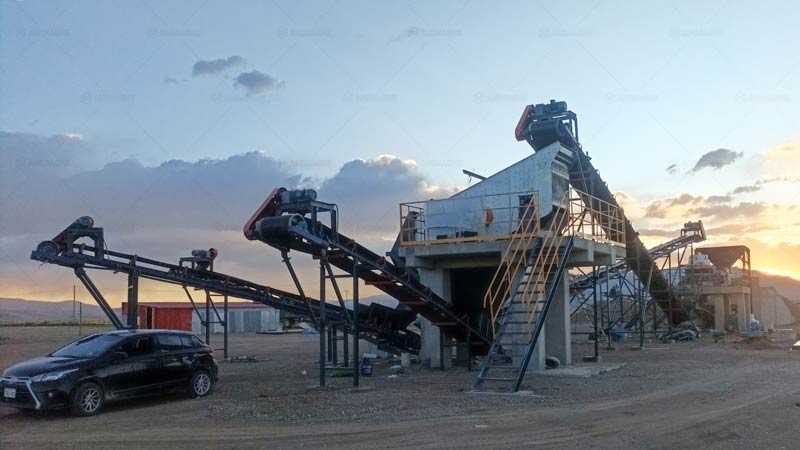
An aggregate crusher plant serving Peruvian concrete producers requires sufficient stockpile capacity for at least three days of production. Each product must be stored separately with clean segregation walls to prevent cross-contamination. The stone crusher Peru operation should have a weighbridge and automated truck loading system to ensure each truck receives exactly the specified blend. Many concrete producers now require aggregate suppliers to provide batch tickets with moisture content and gradation data for each load. Thus, the aggregate crusher plant needs integrated data logging and reporting capabilities.
Cost Competitiveness Without Sacrificing Quality
Peruvian concrete producers operate in a price-sensitive market. However, they have learned that the lowest-priced aggregate often leads to rejected concrete or structural failures. The successful stone crusher Peru supplier offers value through consistent quality and reliable delivery rather than rock-bottom pricing.
Operational Efficiencies That Reduce Costs
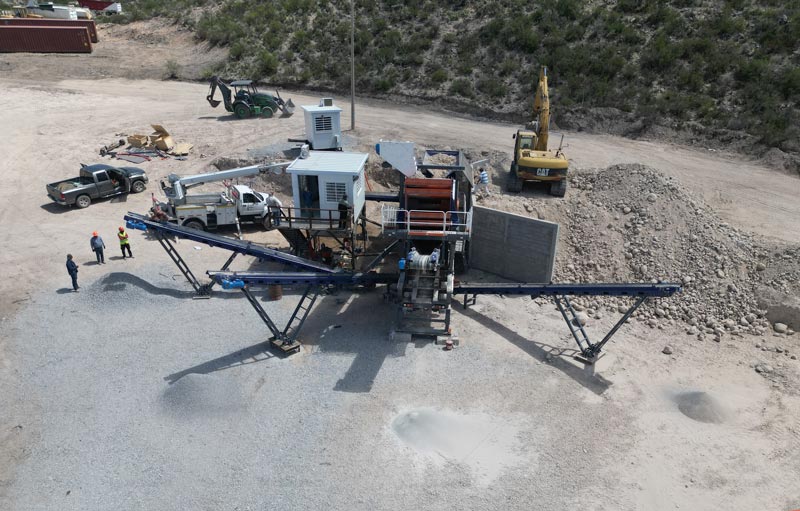
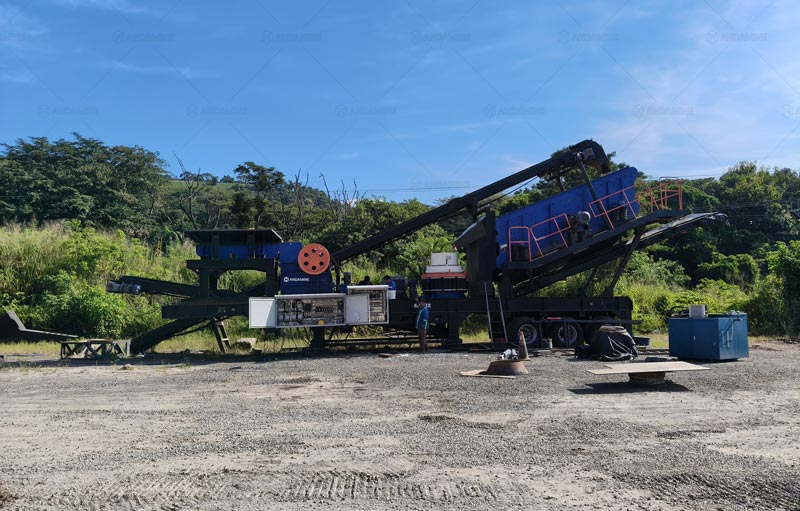
An aggregate crusher plant designed with fuel-efficient crushers, automated controls, and optimized conveyor layouts can produce high-quality aggregate at a lower cost per ton. These savings can be passed along to concrete producers without compromising standards. Additionally, a mobile stone crusher Peru setup that moves closer to urban concrete plants reduces haul distances, further lowering delivered costs. Concrete producers increasingly prefer suppliers who operate an aggregate crusher plant within 50 kilometers of their batching plant to minimize logistics risk.
Practical Advice for Meeting Peruvian Concrete Producer Demands
If you operate a stone crusher Peru business or are planning to invest in an aggregate crusher plant for the Peruvian market, consider the following recommendations:
- Invest in an impact or VSI crusher as a tertiary stage to guarantee cubical particle shape.
- Install multiple screen decks to produce four or more precise fractions simultaneously.
- Add washing and dust control systems to meet cleanliness and fines limits.
- Implement a quality control lab that tests gradation, abrasion, and soundness weekly.
- Build segregated stockpiles with hardstanding and covers to prevent contamination.
- Maintain truck scales and batch ticket systems to provide load-specific quality data.
By aligning your aggregate crusher plant operations with these requirements, your stone crusher Peru enterprise can build long-term partnerships with concrete producers. Remember that Peruvian concrete producers value consistency above all else. A reliable aggregate crusher plant that delivers the same gradation and cleanliness every time will earn loyalty and premium pricing. As Peru’s infrastructure boom continues, the demand for spec-quality concrete aggregate will only grow. Position your stone crusher Peru operation to meet that demand, and you will secure a profitable share of this expanding market.