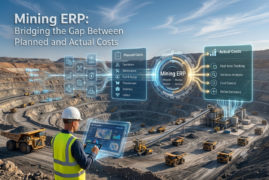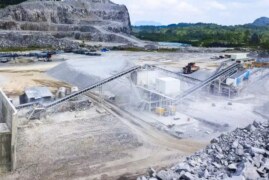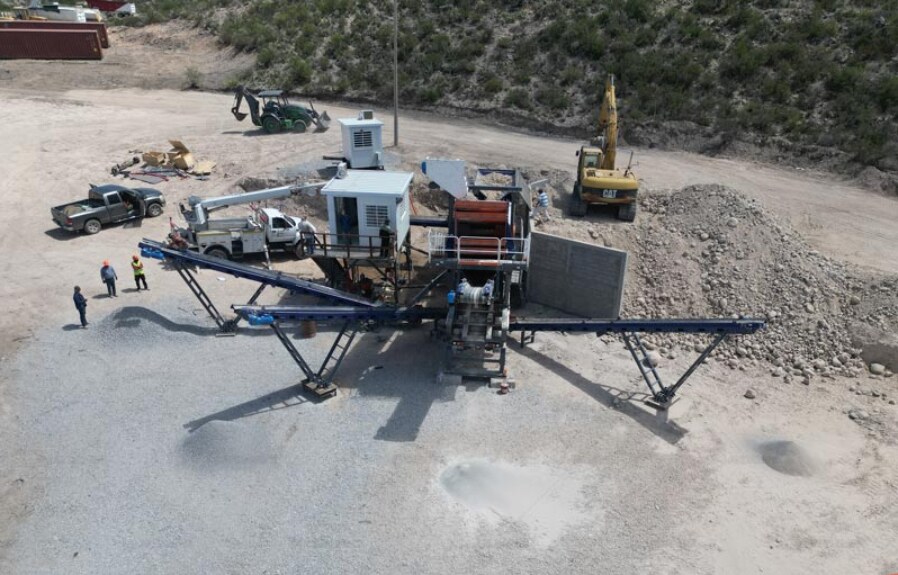
Heavy machinery operations in the Chilean infrastructure and aggregate processing sectors demand rigorous safety protocols to protect workers from inherent industrial hazards. Crushing plants, which form the backbone of road, bridge, and mining construction, process thousands of tons of hard rock daily under intense physical pressure. Due to the high-elevation terrains and fast-paced schedules common across South American project sites, operators frequently work on elevated platforms, feed chutes, and conveyor networks. Managing these facilities requires a comprehensive training strategy focused on eliminating the two most common operational risks: personnel falls from elevated structures and foreign object ingress into active machinery chambers.
Ensuring high safety standards starts with deploying reliable equipment engineered with integrated safety guards, alongside choosing regional partners who understand local labor regulations. When companies source a heavy-duty stone crusher Chile operators can rely on, they must evaluate not only production throughput but also the accessibility of maintenance platforms and the quality of safety enclosures. Well-designed machinery reduces the need for hazardous manual interventions, creating a fundamentally safer working environment for the entire site crew.
Fall Prevention Protocols for Elevated Working Environments
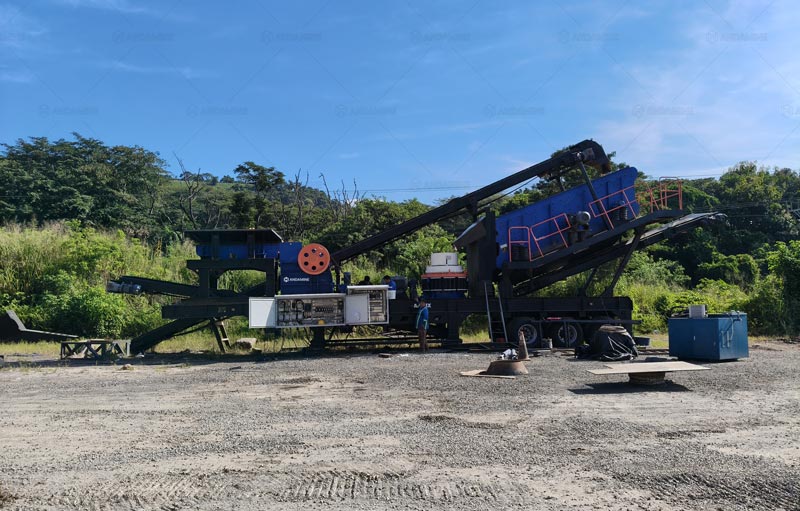
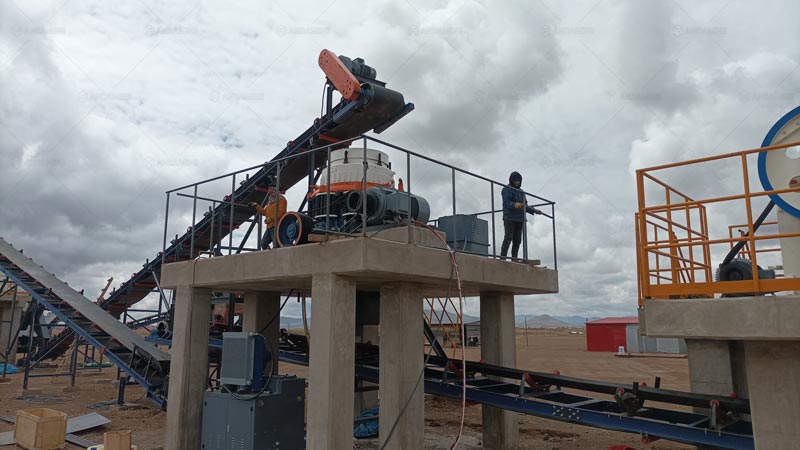
Crushing and screening circuits are vertical by nature, relying on gravity to move material down from primary jaw units to secondary cone or impact systems. This architectural layout means that operators, mechanics, and inspection teams must routinely perform duties on elevated platforms, catwalks, and ladders. In the variable weather conditions of Chile, where mountain winds and morning frost can make steel surfaces exceptionally slick, fall prevention requires constant vigilance and strict procedural adherence.
While aggregate sites primarily handle raw stone, some multi-functional industrial sites incorporate different types of mills in mining and construction recycling sectors to achieve finer material gradations. Regardless of whether a worker is stationed near a large jaw unit or overseeing fine pulverizing equipment, the safety fundamentals for working at heights remain identical. Daily inspections of guardrails, toe boards, and self-closing safety gates must be mandatory before any operational shift begins.
Implementation of Personal Fall Arrest Systems
When maintenance tasks require workers to step off standard guarded catwalks—such as during liner replacements or clearing major structural blockages—Personal Fall Arrest Systems (PFAS) must be deployed.
-
Anchor Points: Operators must only anchor to certified, load-tested structural members, never to electrical conduit, piping, or handrails.
-
Full-Body Harnesses: Training programs must instruct workers on how to properly fit a harness, ensuring straps are snug and the dorsal D-ring sits perfectly between the shoulder blades.
-
Lanyards and Shock Absorbers: In high-altitude or tight-clearance sectors of a stone crusher Chile(trituradora de piedra Chile) facility, energy-absorbing lanyards or self-retracting lifelines must be selected based on calculated fall clearances.
Catwalk and Ladder Maintenance Standards
Slips and trips often precede catastrophic falls. Catwalks surrounding screening decks and material hoppers must be constructed from slip-resistant serrated steel grating that allows rain, dust, and small gravel to fall through rather than accumulate. Daily housekeeping schedules should mandate the immediate removal of spilled grease, hydraulic fluids, and accumulated rock dust from all walking surfaces.
Managing and Preventing Foreign Object Ingress
Foreign object ingress refers to any non-crushable material—such as tramp iron, excavator teeth, structural steel scraps, or timber—entering the crushing chamber. When an active stone crusher Chile circuit encounters an uncrushable object, it can cause catastrophic mechanical failure, throwing high-velocity shards of metal into the surrounding work zone or forcing the machine to jam completely.
The Threat of Tramp Metals and Debris
Uncrushable objects entering a processing line disrupt production and put maintenance crews at extreme risk during extraction. For operations that manage complex material feeds, understanding how different types of mills in mining(tipos de molinos en minería) and aggregate processing react to uncrushables is essential. While some flexible grinding circuits can tolerate minor iron scannings, heavy-duty mechanical crushers will experience sudden pressure spikes, potentially fracturing main shafts or blowing out hydraulic toggle systems if the foreign material is not intercepted early.
Engineering Controls and Detection Technologies
Modern industrial engineering relies on automated systems to detect and isolate non-crushable items before they reach critical processing chambers:
-
Overbelt Magnetic Separators: High-power permanent or electromagnets suspended above primary feed conveyors automatically lift steel scraps, bolts, and broken tool pieces away from the material stream.
-
Metal Detectors: For non-magnetic alloy steels, such as manganese liner fragments, electronic metal detectors installed on conveyors can trigger an automatic belt shutdown, allowing operators to safely remove the object.
-
Mechanical Rock Breakers: Stationed over primary hoppers, hydraulic rock breakers allow operators to break oversized rocks safely from an enclosed cabin, preventing the temptation to manually clear heavy blocks.
Safe Clearing Procedures for Blocked Chambers
If an uncrushable object bypasses automated defenses and jams a crusher, operators must follow a strict safety sequence to clear it. Manual extraction using pry bars or torches should only be attempted after a formal risk assessment. The system must undergo complete Lockout/Tagout/Tryout (LOTOTO) isolation to ensure zero residual mechanical or hydraulic energy remains stored in the flywheels or clamping cylinders.
Long-Term Safety Management Systems
Cultivating a proactive safety culture requires continuous reinforcement, moving beyond basic compliance to active risk perception. Regular toolbox talks, hands-on simulation training, and clear hazard-reporting channels ensure that line operators feel empowered to pause production whenever an unsafe environment or an uncrushable threat is detected. By systematically addressing fall hazards on elevated walkways and reinforcing defenses against foreign object ingress, aggregate producers protect their most valuable assets—their personnel—while maintaining stable, efficient production schedules across all infrastructure projects.