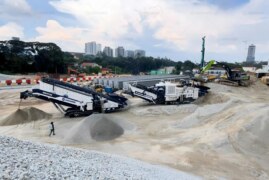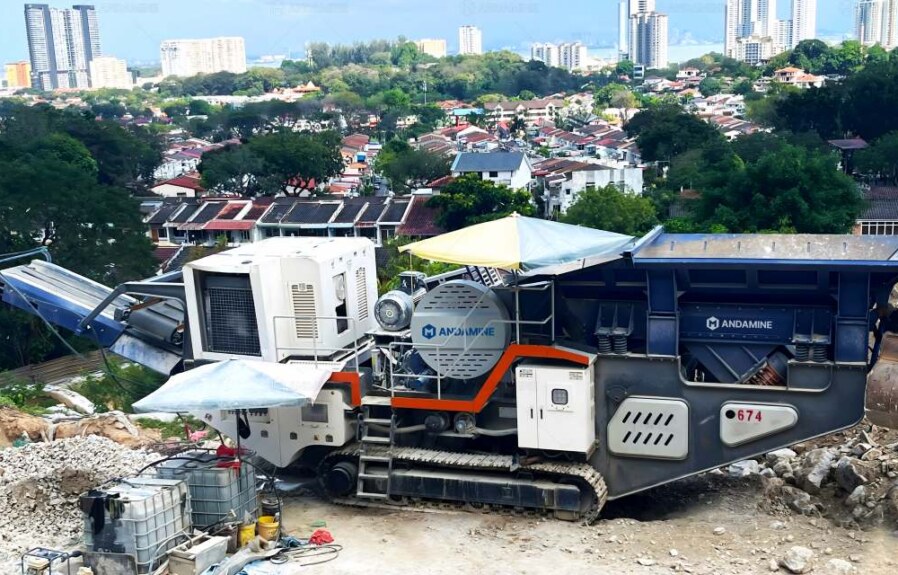
In mining operations, rock hardness directly influences how efficiently raw material can be processed. Cobblestones are often dense, tough, and highly resistant to breakage, making crusher selection particularly important for stable production. A properly selected cobblestone crusher must generate enough crushing force to break the material while maintaining reasonable energy consumption and wear rates. For mining companies comparing a stone crusher for sale, understanding how rock hardness affects crushing performance can help determine the right equipment configuration, production capacity, and long-term operating cost.
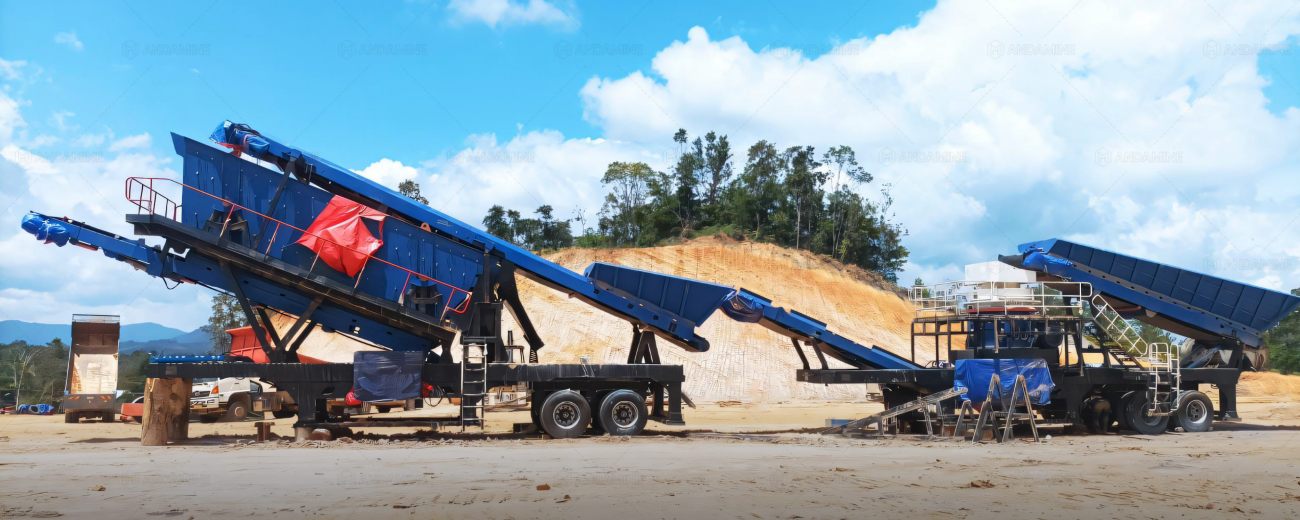
Why Rock Hardness Matters in Cobblestone Crushing
Rock hardness describes how strongly a material resists deformation, fracture, and size reduction. In mining applications, cobblestones can have different mineral compositions and physical properties depending on their geological origin. Some materials may be relatively easy to break, while dense quartz-rich or volcanic cobblestones can require substantially greater crushing force.
The harder the feed material, the more resistance the cobblestone crusher encounters during each crushing cycle. This can affect the crusher’s power demand, throughput, reduction ratio, and wear rate. If the equipment is not properly matched to the material, operators may experience unstable production, excessive component wear, or higher energy consumption.
For this reason, crusher selection should begin with material analysis rather than simply choosing equipment according to its maximum rated capacity. Hardness, abrasiveness, feed size, moisture, and desired product size should all be considered when designing a mining crushing system.
How Hard Cobblestones Increase Energy Consumption
Crushing is fundamentally a size-reduction process that requires mechanical energy. When a hard cobblestone enters a cobblestone crusher, the machine must apply sufficient force to create cracks and eventually fracture the rock.
If the material has high compressive strength, the crusher may need to work harder to achieve the same reduction compared with softer material. This can increase the power required per ton of processed material. The effect becomes more noticeable when large cobblestones must be reduced to relatively small sizes through several crushing stages.
However, rock hardness is not the only factor controlling energy consumption. Feed size, crusher design, reduction ratio, operating conditions, and feed consistency also have a major influence. A well-designed crushing circuit can distribute size reduction across multiple stages and prevent one crusher from carrying an excessive workload.
Selecting the Right Cobblestone Crusher for Hard Rock
Different crusher types use different crushing principles, so the right choice depends on the stage of the mining process and the characteristics of the feed.
A jaw crusher is commonly suitable for primary crushing because its compressive crushing action allows it to handle large pieces of hard rock. It can reduce large cobblestones into a smaller feed suitable for subsequent processing.
For secondary or tertiary crushing, cone crushers can be considered when the material is hard and abrasive. They can provide controlled size reduction and are commonly incorporated into multi-stage hard-rock crushing circuits.
Impact crushers can also be used in some applications where aggregate shape and particle size distribution are important. However, when processing highly abrasive cobblestones, operators need to carefully evaluate wear rates and operating costs before selecting an impact-based configuration.
Companies searching for a stone crusher for sale should therefore evaluate crusher type according to actual material characteristics instead of choosing equipment based only on price or maximum theoretical output.
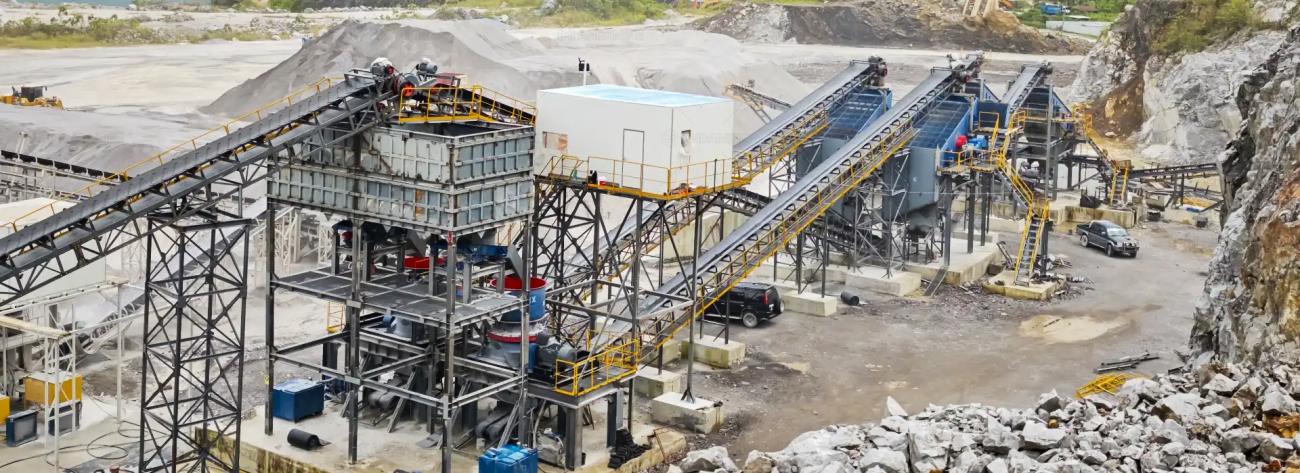
Feed Size Has a Major Effect on Crusher Performance
Rock hardness becomes even more important when the feed material is oversized. Large cobblestones require greater mechanical work to reach the desired product size. If the feed entering the cobblestone crusher is significantly larger than the recommended range, the machine may experience increased stress and unstable power demand.
A properly designed primary crushing stage can reduce large rocks to a suitable size before they enter secondary equipment. This allows each crusher to operate within its intended reduction range.
Consistent feed size is also important. If the material stream suddenly contains a large quantity of oversized or extremely hard rocks, the crusher may experience temporary overload conditions. Controlled feeding helps maintain a more stable crushing process and allows the equipment to operate closer to its optimal capacity.
Hardness and Abrasiveness Are Not the Same
Mining operators should distinguish between rock hardness and abrasiveness. A material can be hard without being extremely abrasive, while certain rocks can cause severe wear because they contain abrasive minerals.
A highly abrasive cobblestone can accelerate the wear of jaw plates, cone liners, impact components, screens, and other parts that come into direct contact with the material. As these components wear, the crusher’s internal geometry can change, potentially affecting product size, throughput, and energy efficiency.
For a cobblestone crusher, wear-part selection is therefore just as important as motor power and rated capacity. Operators should consider the expected service life of wear components when calculating the overall cost of crushing.
How Wear Can Increase Energy Consumption
The relationship between hardness, wear, and energy consumption is not always immediately obvious. A new crusher with properly installed wear components can operate according to its intended design. As the machine processes abrasive cobblestones, however, liners and other wear parts gradually deteriorate.
When critical components become excessively worn, the crushing chamber may no longer maintain its original geometry. The crusher may require more energy to achieve the required reduction, while output quality can become less consistent.
Regular inspection and timely replacement of wear parts can prevent this situation. Instead of waiting for a component to fail, mining operators should establish maintenance intervals based on operating hours, material characteristics, production volume, and observed wear.
Multi-Stage Crushing Can Improve Overall Efficiency
For hard cobblestones, trying to achieve the entire size reduction in a single crusher is rarely the best approach for a large mining operation. A multi-stage crushing circuit can distribute the workload between primary, secondary, and tertiary equipment.
For example, a jaw crusher can perform primary reduction, followed by a cone crusher for secondary size reduction. Screens can then separate material that has already reached the required size, preventing it from being unnecessarily processed again.
This approach can improve the efficiency of the cobblestone crusher plant because each machine performs a specific part of the size-reduction process. It can also help control wear and maintain a more consistent final product.
Capacity Should Be Based on Real Operating Conditions
A crusher’s advertised capacity should not automatically be treated as its expected production rate in a mining application. Actual throughput depends on material hardness, feed size, moisture, crusher settings, feeding method, and the overall plant configuration.
For example, a cobblestone crusher may achieve a different output when processing dense, abrasive rock than when processing softer material. If the mining operation requires a specific number of tons per hour, operators should account for these material conditions when selecting equipment.
It is often better to choose a balanced system with realistic operating capacity than to purchase a single oversized crusher that creates unnecessary investment and energy costs.
How to Reduce Energy Costs in Cobblestone Crushing
Several operational measures can help reduce energy consumption. First, controlling the feed size reduces unnecessary crushing work. Second, maintaining a consistent feed allows the crusher to operate more efficiently. Third, using appropriate crusher settings helps achieve the required reduction without excessive recirculation.
Efficient screening is also important. Material that has already reached the required size should be removed from the crushing circuit rather than sent through the crusher again.
Finally, regular maintenance helps keep the cobblestone crusher operating close to its designed performance. Proper lubrication, wear-part replacement, bearing inspection, and drive-system maintenance can all contribute to stable energy consumption.
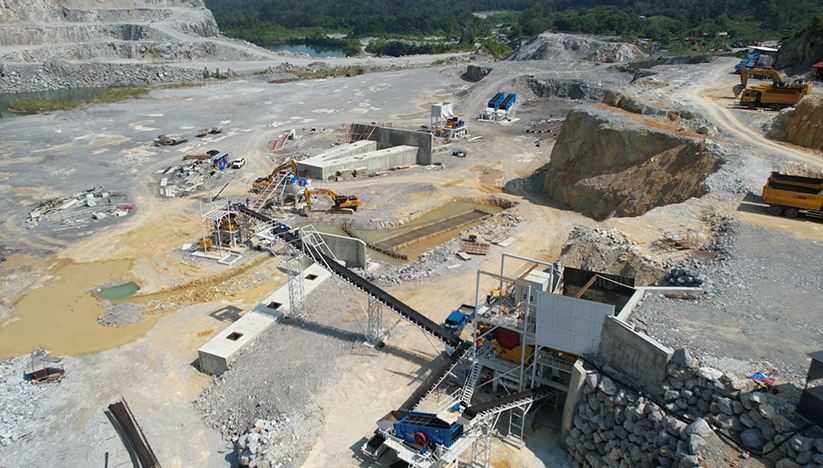
Evaluating a Stone Crusher for Sale for Mining
When evaluating a stone crusher for sale, mining companies should look beyond the initial equipment price. The total cost of ownership can include energy or fuel consumption, wear parts, maintenance, labor, downtime, transportation, and the actual tons of material produced.
A lower-priced machine may become more expensive over time if it has high energy requirements or requires frequent replacement of wear components. Conversely, a higher-quality cobblestone crusher may provide better long-term value if it delivers stable production and reasonable operating costs under difficult rock conditions.
The most useful comparison is therefore often the cost per ton of acceptable material rather than the purchase price alone.
Conclusion
Rock hardness has a significant impact on the performance and economics of cobblestone crushing in mining operations. Harder material generally requires greater crushing force and can increase energy consumption, while abrasive material can accelerate wear and gradually reduce equipment efficiency. These factors make crusher selection, circuit design, feeding control, and preventive maintenance particularly important.
For mining companies choosing a cobblestone crusher, the best solution should be based on actual rock characteristics, feed size, required reduction ratio, production target, and final product specifications. When comparing a stone crusher for sale, operators should also evaluate energy consumption, wear-part life, maintenance requirements, and cost per ton. A well-matched crushing system can improve production stability, control operating costs, and maintain reliable performance even when processing hard and abrasive cobblestones.