


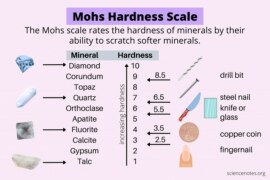
The Mohs hardness scale is a qualitative test that measures the hardness of a mineral by its ability to visibly scratch softer minerals. The scale isn’t perfect, but it’s a great tool for quick identification of rocks in the field. ...
Mining Doc Latest Articles
Effect of Existing Cracks on Blast Fragmentation – Part 1
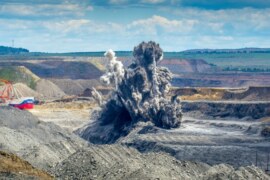
Introduction In the field of mining, the quality and efficiency of blast fragmentation are critical factors influencing downstream processes, operational costs, and overall productivity. One significant factor affecting blast fragmentation is the presence of pre-existing cracks within the rock mass. ...
Important aspects to know about dykes
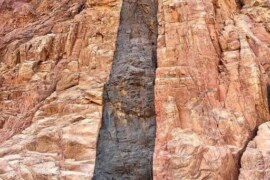
Description A dyke is a geological formation where molten rock, often from a volcanic source, cuts through and intrudes into pre-existing rock layers. This intrusion typically occurs in a vertical or near-vertical orientation. Formation Volcanic dykes form when magma, which ...
In Pit Crushing and Conveying (IPCC)
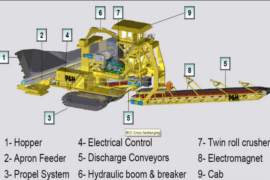
Definition An alternate transport method called in-pit crushing and conveying (IPCC) has a larger initial cost but offers significant operating cost savings. The best technology for big open pit mines with high production is IPCC. a continuous processing system that ...
RQD: a key factor in mining
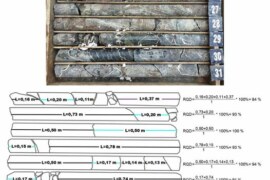
Introduction Rock Quality Designation (RQD) is a measure of quality of rock core taken from a borehole. RQD signifies the degree of jointing or fracture in a rock mass measured in percentage. It is commonly used in rock mass classification ...