11 Ways to Keep Your Construction Site Safe
1. Start with Safety Training
All workers must hold a valid white card before starting work on-site. In addition, site-specific induction training should be completed to identify high-risk areas and provide clear emergency procedures.
2. Minimise and Manage Risk
While it’s impossible to eliminate all risks in construction, many incidents can be prevented through regular safety audits and clear procedures to report, assess, and address potential hazards.
3. Site Security
Restricted access is essential not only to prevent theft or damage but also to protect the public from potential hazards. Only authorised personnel should enter the site, and proper supervision must be maintained at all times.
Strong security measures also help reduce liability and protect contractors in case of incidents or breaches.
4. Safe Work Method Assessment
A Safe Work Method Statement (SWMS) must be prepared before starting any high-risk construction activity. It should clearly outline the scope of work, potential hazards, and how risks will be controlled.
Work must not begin until all SWMS requirements are properly met.
5. Use Clear Signage Throughout the Site
Safety information should be clearly displayed across the site, including SWMS details, emergency contacts, and directions to the site office. Signage should also highlight entry and exit points, amenities, and emergency equipment.
6. Entry and Exit Points
Separate access points for vehicles and pedestrians should be established to reduce the risk of accidents, especially in high-traffic areas.
7. Compliant Chemical Storage
Chemicals must be stored safely to prevent fires, explosions, or environmental hazards. Using compliant storage solutions helps reduce risks such as spills and contamination.
8. Environmental Conditions
Extreme weather can pose serious safety risks. Emergency plans should clearly outline when work must stop due to unsafe conditions such as storms, heatwaves, or other environmental hazards. Many construction teams also strengthen their safety approach by working with experienced consultancy providers like Impresssolutions for better compliance and risk management.
9. First Aid
It is best practice to have at least one trained first aid officer for every 25 workers. First aid kits and emergency equipment should always be easily accessible on-site.
10. Provide Personal Protective Equipment (PPE)
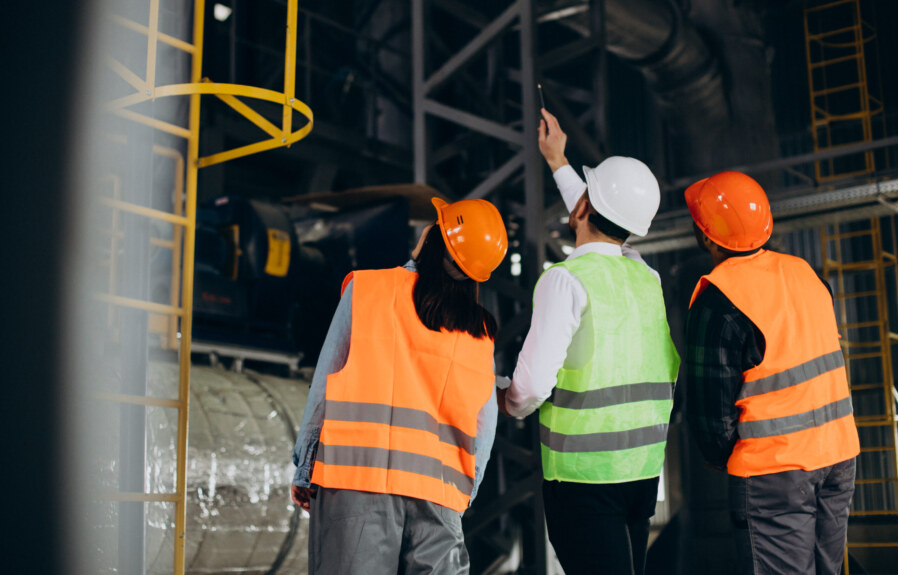
Employers are responsible for providing appropriate PPE such as high-visibility clothing, safety goggles, and harnesses. The required equipment may vary depending on the project and associated risks.
11. Prevent Dropped Objects
All tools and materials must be properly secured to minimise the risk of falling objects. Preventative measures should be implemented to protect both workers and the public.
Construction safety doesn’t end when the project is completed. Everyone involved has a responsibility to ensure that quality materials and proper practices are used so that safety risks are minimised long after construction is finished.