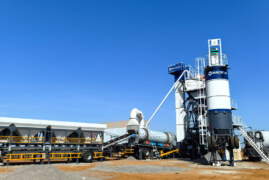
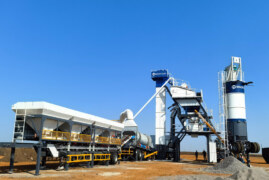
When contractors evaluate asphalt batch plants for sale, the quoted asphalt plant cost often represents only 40-50% of total project expenditure. Equipment pricing masks substantial hidden expenses in site preparation, foundation engineering, relocation logistics, and commissioning procedures that determine whether a purchase becomes profitable or financially problematic. Understanding which cost factors drive asphalt plant cost variation enables buyers to compare competing quotes accurately and avoid the common mistake of selecting equipment based solely on machinery pricing while absorbing unexpected expenses that erode project margins.
Plant Capacity and Mixer Type as Primary Cost Drivers
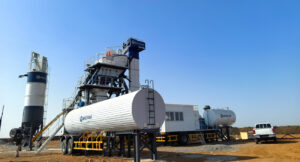
Asphalt batch plants for sale range from 40 tons per hour to 200+ tons per hour capacity, with asphalt plant cost scaling nonlinearly across this spectrum. A 60 tph plant typically costs 35-40% less than a 120 tph unit, but the cost-per-ton efficiency reverses dramatically when examining operational economics. Contractors operating roadworks contracts often underestimate how frequently they require maximum production rates during seasonal weather windows, leading to undersized equipment purchases that create bottlenecks and force expensive overtime scheduling.
Mixer type selection significantly influences asphalt plant cost structure and long-term operational expenses. Twin-shaft mixers command 15-20% premium pricing over paddle mixers but deliver superior binder distribution and reduced segregation in short-batch operations typical of quarry-adjacent projects. The higher asphalt plant cost for twin-shaft systems recovers through lower material waste, fewer rejected batches, and reduced paver downtime caused by inconsistent mix quality. Contractors comparing asphalt batch plants for sale must evaluate mixer performance specifications against their specific material gradations and production schedules rather than defaulting to the lowest-cost option, which frequently generates hidden costs through quality control failures and rework expenses.

Burner System and Dust Collection as Hidden Cost Multipliers
Burner system selection represents a deceptive cost factor because pricing differences appear modest during initial equipment comparison but compound significantly across equipment lifespan. A modulating burner system adds 8-12% to asphalt plant cost but reduces fuel consumption by 20-25% in intermittent-duty applications, delivering payback within 18-24 months of operation. Contractors purchasing asphalt batch plants for sale for roadworks projects operating 200-250 days annually realize substantial fuel savings that justify the premium asphalt plant cost through direct operational efficiency.
Dust collection infrastructure often receives insufficient attention during price negotiations, yet represents 12-18% of total asphalt plant cost when properly engineered. Budget-tier baghouse systems require frequent filter replacement and generate compliance violations in environmentally sensitive areas, forcing contractors to absorb fines or relocate operations. Premium dust collection systems integrated into asphalt batch plants for sale cost more initially but reduce maintenance labor by 40-50% and eliminate regulatory penalties that can exceed equipment cost. When comparing asphalt plant cost quotes, contractors should request detailed dust collection specifications and maintenance interval projections rather than accepting generic descriptions that mask operational complexity and hidden expenses.
Relocation Setup, Foundation Engineering, and Commissioning Expenses
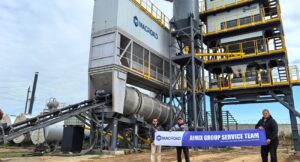
Relocation costs frequently represent the largest unbudgeted expense in asphalt batch plants for sale transactions, yet receive minimal attention during price discussions. Moving a 100+ ton plant requires specialized heavy-haul transportation, temporary road permits, and site access engineering that can exceed 15-25% of equipment asphalt plant cost. Contractors purchasing for quarry-adjacent projects often assume existing infrastructure accommodates plant installation, discovering only after equipment arrival that foundation preparation, utility extensions, and access road construction demand substantial additional investment.
Foundation engineering and site preparation typically consume 10-15% of total project budget but receive inadequate planning during equipment selection. Asphalt batch plants for sale require level concrete pads engineered for dynamic loads, proper drainage to prevent water infiltration, and utility connections for power, water, and fuel supply. Contractors must obtain detailed site surveys and structural engineering assessments before finalizing asphalt plant cost comparisons, as foundation deficiencies discovered during installation create expensive delays and change orders. Commissioning procedures including equipment calibration, operator training, and performance verification add 5-8% to asphalt plant cost but prove essential for achieving manufacturer performance guarantees and establishing baseline maintenance protocols that prevent premature component failure.
Conclusion
Evaluating asphalt batch plants for sale requires systematic cost analysis extending far beyond equipment pricing to encompass capacity requirements, mixer technology, burner efficiency, dust collection infrastructure, and site-specific installation expenses. Contractors comparing asphalt plant cost quotes must demand itemized breakdowns including relocation logistics, foundation engineering, utility connections, and commissioning procedures rather than accepting equipment-only pricing that obscures true project expenditure. Suppliers providing comprehensive cost transparency and detailed installation planning justify premium asphalt plant cost through reduced project risk, faster operational startup, and predictable long-term performance that protects contractor profitability across multiple roadworks and quarry projects.