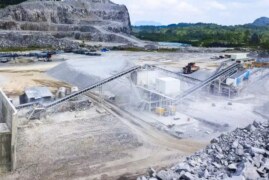
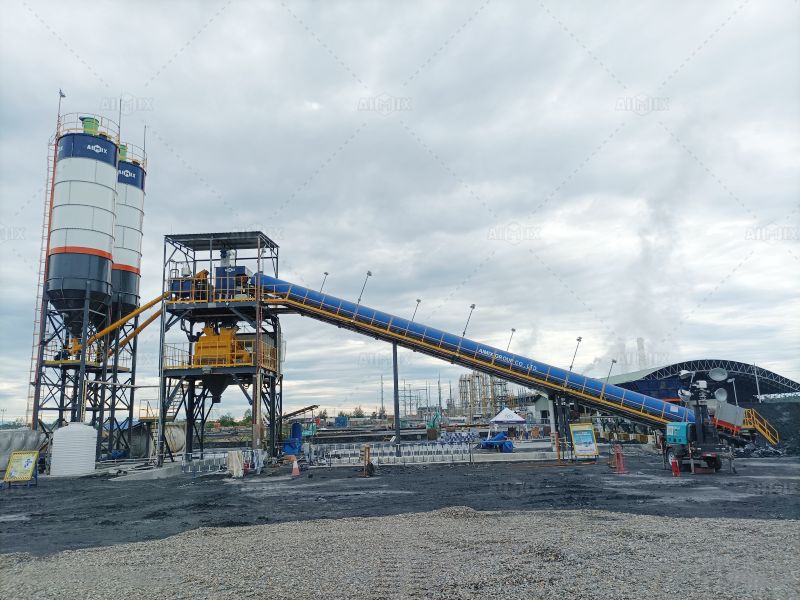
Mining operations rely on strong infrastructure to keep production moving efficiently. Haul roads, equipment foundations, processing facilities, workshops, and storage areas all require high-quality concrete capable of withstanding heavy loads, harsh weather, and continuous equipment traffic. A stationary batching plant provides a reliable solution by delivering consistent concrete quality and stable production capacity throughout the construction process. Unlike temporary concrete supply methods, a stationary plant supports long-term mining projects with dependable output, helping contractors complete infrastructure on schedule while maintaining strict quality standards. For projects requiring both permanent production and rapid project mobilization, combining a stationary solution with a fast deployment concrete plant can further improve construction flexibility during different project phases.
Why Mining Infrastructure Requires High-Quality Concrete
Mining roads experience constant movement from loaded haul trucks, loaders, excavators, and service vehicles. These heavy machines generate repeated stress that can quickly damage poorly constructed pavements and foundations. Durable concrete with consistent strength helps reduce cracking, settlement, and maintenance costs over the life of the mine.
In addition to transportation routes, mining facilities depend on solid foundations for crushers, conveyors, batching systems, power stations, workshops, and storage buildings. These structures often support heavy equipment that operates continuously, making concrete quality a critical factor in maintaining operational stability. A stationary batching plant ensures every batch meets design specifications, reducing structural risks and improving long-term performance.
Consistent Concrete Production Improves Construction Quality
One of the greatest advantages of a stationary batching plant is its ability to produce large volumes of uniform concrete over extended construction periods. Accurate weighing systems, automated control technology, and efficient mixers help maintain consistent proportions for cement, aggregates, water, and admixtures.
Stable batching accuracy reduces variations in concrete strength and workability, allowing engineers to achieve more reliable construction results. This consistency becomes particularly important when building long mine roads or large foundations where concrete quality must remain uniform from the first batch to the last. Reliable production also minimizes material waste and lowers the likelihood of costly repairs caused by inconsistent concrete.
Supporting Large-Scale Mining Road Construction
Mining haul roads often extend several kilometers and require continuous concrete supply to maintain construction progress. Interruptions in production can delay paving operations, increase labor costs, and affect overall project schedules.
A stationary batching plant can operate continuously for long production cycles while supplying multiple work areas simultaneously. Large aggregate storage bins, cement silos, and automated material handling systems reduce the risk of production interruptions caused by material shortages. By maintaining stable output throughout the project, contractors can complete road construction more efficiently and keep mining development on schedule.
Building Reliable Foundations for Heavy Equipment
Mining equipment such as crushers, grinding mills, conveyors, screening plants, and storage silos generates significant dynamic loads during operation. Their foundations must resist vibration, heavy pressure, and long-term structural fatigue.
A stationary batching plant allows engineers to produce specialized concrete mixes with the required compressive strength, durability, and workability for each application. Accurate batching and high-performance mixing improve concrete density while reducing segregation, helping create stable foundations that support safe and efficient equipment operation for many years.
Optimizing Plant Layout for Mining Projects
Proper placement of the batching plant can significantly improve construction efficiency. Locating the plant near major work zones shortens transportation distances, reduces fuel consumption, and minimizes the risk of concrete setting before placement.
Project planners should also consider aggregate storage capacity, truck traffic flow, water supply, cement delivery routes, and future mine expansion when selecting the installation site. A well-designed plant layout reduces bottlenecks, improves logistics, and supports continuous concrete production throughout different construction stages.
Combining Permanent Production with Fast Project Mobilization
Many mining developments begin with temporary infrastructure before permanent facilities are completed. During these early stages, contractors often need concrete quickly for access roads, temporary offices, worker camps, drainage systems, and equipment pads.
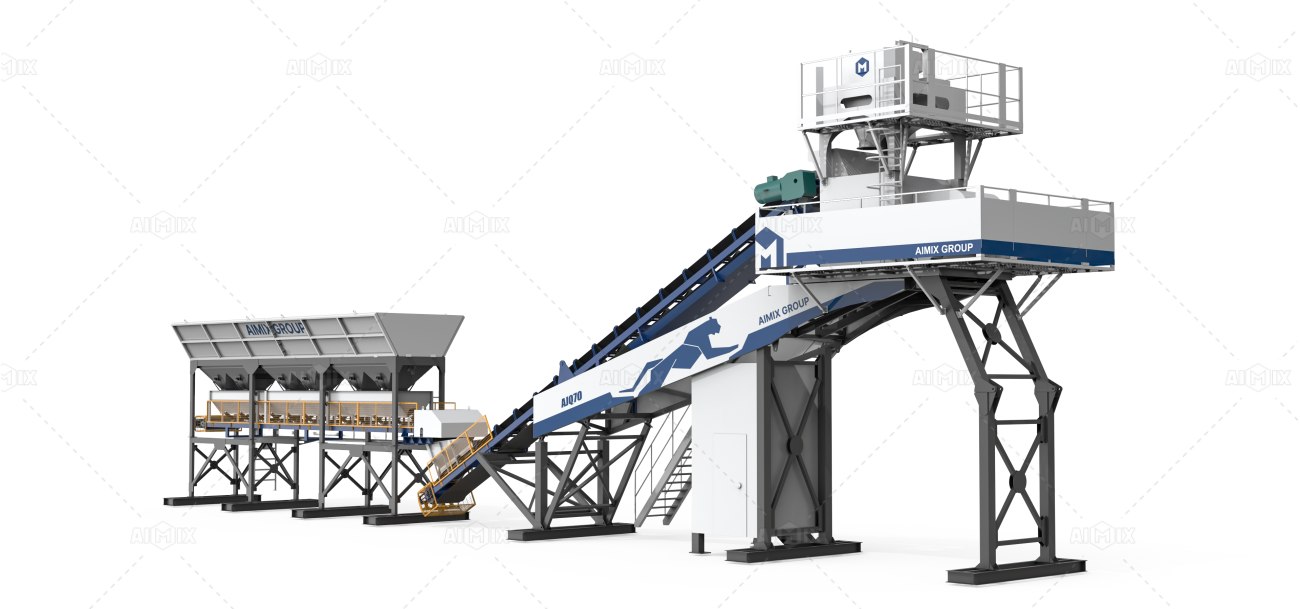
This is where a fast deployment concrete plant offers additional value. Its modular design and simplified installation allow contractors to begin concrete production shortly after arriving on site, supporting early construction activities while the permanent stationary batching plant is being installed. Once the main plant becomes operational, the fast deployment concrete plant can be relocated to satellite projects or remote work zones, providing additional production flexibility throughout the mining project.
Reducing Operating Costs Through Efficient Production
Concrete production efficiency directly affects overall project costs. Modern stationary batching plants reduce material waste through precise weighing systems and automated batching controls, helping contractors optimize cement consumption while maintaining concrete quality.
Energy-efficient mixers, intelligent control systems, and well-organized material handling also lower operating expenses. Preventive maintenance programs further reduce equipment downtime and extend service life, allowing mining companies to maximize return on investment while maintaining reliable concrete production over the entire construction period.
Enhancing Safety and Environmental Performance
Mining companies increasingly prioritize workplace safety and environmental compliance during infrastructure construction. Modern stationary batching plants include enclosed material handling systems, dust collection equipment, and automated controls that reduce manual operation and improve workplace safety.
Many plants also incorporate water recycling systems, allowing wash water and reclaimed materials to be reused during production. Dust suppression technologies and efficient material storage further reduce environmental impact while supporting sustainable mining practices and compliance with increasingly stringent environmental regulations.
Conclusion
Constructing durable mining roads and foundations requires far more than simply producing large volumes of concrete. Success depends on consistent concrete quality, reliable production capacity, efficient project planning, and equipment designed for long-term performance. A stationary batching plant provides the stable production needed to support demanding mining infrastructure projects while improving construction quality, reducing operating costs, and minimizing downtime. When combined with a fast deployment concrete plant for early-stage site development or remote construction zones, contractors gain the flexibility to accelerate project schedules without compromising concrete performance. Together, these solutions help mining companies build reliable infrastructure that supports safe, efficient, and productive operations throughout the entire lifecycle of the mine.