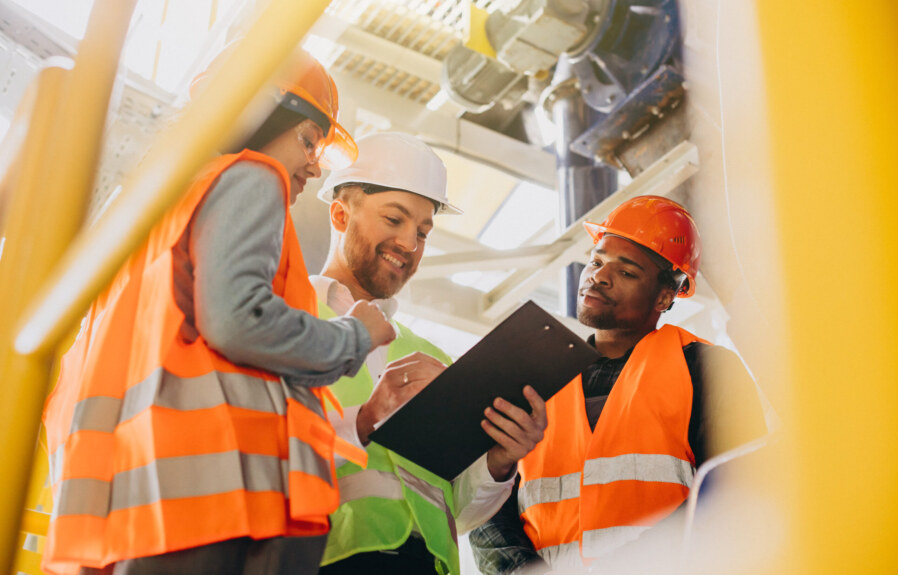
Construction sites are inherently risky environments. Construction workers are often exposed to high-risk activities and safety hazards. That’s why the construction industry places so much emphasis on safety training and rigorous protocols.
By prioritizing safety in construction, companies significantly reduce the chances of accidents and injuries. But a comprehensive safety program doesn’t just revolve around preventing accidents—its benefits extend beyond protecting workers. Let’s review some of these.
Why Safety in Construction Matters
Construction site safety is crucial because it keeps everyone involved safe at work and ensures a successful project. Here’s a rundown of the key benefits of prioritizing safety on site.
Protecting the Workforce
The biggest benefit of maintaining safety in construction is keeping workers safe. They face potential hazards every day, from working at heights to handling heavy equipment. Protecting their health and safety minimizes accidents and injuries and ensures the project runs smoothly.
Safeguarding the Public
Prioritizing safety on a construction site not only protects workers but also creates a safe environment for the public. Fencing, clear signage, and designated walkways allow pedestrians and cyclists to move safely around active sites.
If the project is near occupied buildings, safety measures like dust control, secure material storage, and proper debris management are essential to protect the public from falling objects or airborne particles.
Ensuring Regulatory Compliance
Construction site safety is a fundamental requirement for companies, contractors, and workers. Governments enforce this through strict safety regulations.
Non-compliance can lead to heavy fines, work stoppages, and legal consequences. Following safety regulations shows a company’s commitment to worker safety and helps avoid these risks.
Maintaining Project Momentum
Safety is essential for keeping projects on track. Accidents or injuries can cause serious delays.
For example, if skilled workers are injured, work may stop for extended periods. Investigations can also slow down progress. These disruptions increase costs and may harm a company’s reputation.
Optimizing Emergency Response Efficiency
Even with strong safety measures, accidents can still happen. Quick response times are critical to minimizing their impact.
Well-developed safety protocols, emergency plans, and proper training in first aid and hazard awareness ensure faster action and better outcomes during emergencies.
Boosting Worker Morale
A strong focus on safety creates a positive work culture. When workers feel safe and valued, they are more engaged and productive.
Some effective ways to support this include:
- Providing workplace safety training
- Offering regular breaks, especially in extreme weather
- Supplying proper tools and equipment
- Displaying safety signage
- Encouraging open discussions about safety concerns
Enhancing Company Reputation
A commitment to safety strengthens a company’s reputation. It shows responsibility toward worker well-being and makes the business more attractive to skilled workers and clients. Many businesses also turn to experienced safety consultancy partners like Impresssolutions to strengthen their on-site safety practices and compliance standards.
General Construction Safety Tips
Ensuring safety in construction requires a strong safety program. Here are some key tips:
- Conduct a thorough hazard assessment before starting work
- Provide proper training for all tasks and equipment
- Enforce the use of personal protective equipment (PPE)
- Use fall protection systems when working at heights
- Keep the site clean and organized
- Clearly label hazardous materials
- Train workers on proper lifting techniques
- Protect workers from extreme weather conditions