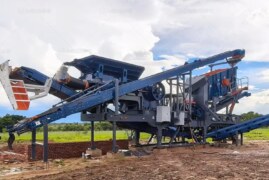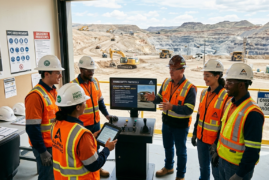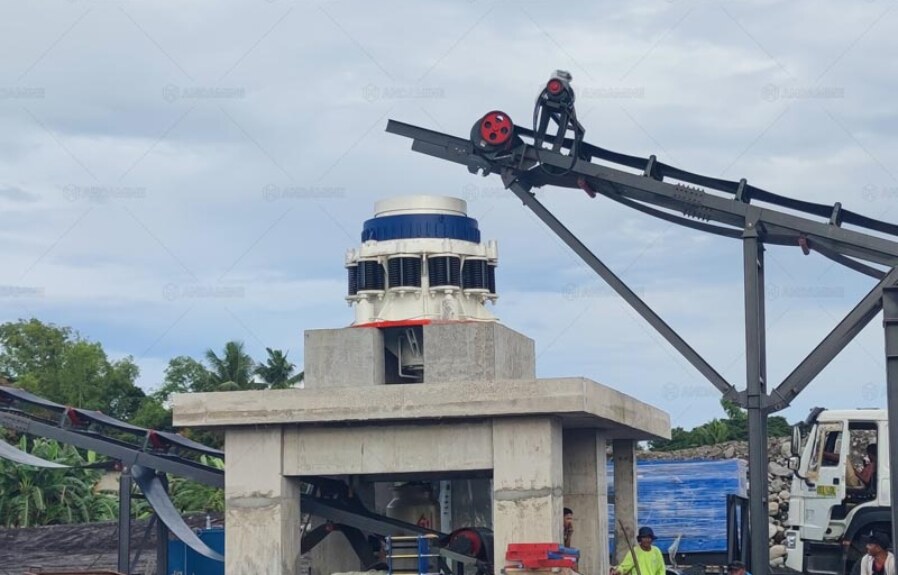
Operating a modern aggregate plant requires a fundamental shift from reactive troubleshooting to real-time process stabilization. While traditional quarrying relied heavily on manual adjustments and operator intuition to handle varying rock hardness or sudden feed surges, contemporary industrial automation relies on intelligent closed-loop control systems. These smart technologies dynamically balance mass flow, adjust mechanical settings on the fly, and mitigate operational bottlenecks across every stage of crushing and screening. By integrating telemetry sensors, automated power monitoring, and predictive feed algorithms, quarry operators can eliminate costly production spikes, prevent structural fatigue, and maintain consistent aggregate output even when working with highly unpredictable geological deposits.
Transforming Crushing Dynamics Through Real-Time Automation
In conventional reduction circuits, unmonitored surges in raw feed size or moisture content can instantly trigger machine overloads, leading to unexpected emergency trips and thermal stress. Introducing intelligent control networks transforms raw aggregate processing into a continuous, self-regulating mechanism. Sensor arrays placed along conveyor belts, crusher hoppers, and discharge chutes constantly collect data on tonnage rates, particle velocity, and drive motor amperage. This stream of operational data allows control systems to automatically adjust upstream vibratory feeders before a choke condition or severe power spike can destabilize downstream operations.
Automated Choke-Fed Optimization
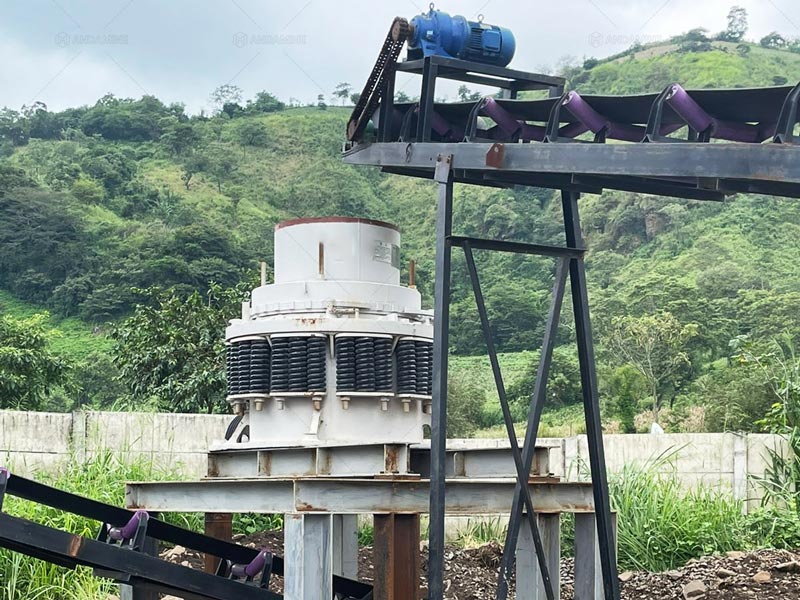
Maintaining a stable crushing chamber profile is essential for achieving target particle cubicity and energy efficiency. An intelligent secondary or tertiary cone crusher circuit uses continuous level sensors and hydraulic gap controls to maintain optimal choke-fed conditions. When feed volume fluctuates, the automated system adjusts the closed-side setting in fractions of a millimeter or modifies the feeder frequency to keep the chamber consistently filled without overflowing.
Power and Torque Load Balancing
Dynamic motor loading is one of the most common causes of component wear and energy waste in an aggregate plant(planta de árido). Intelligent process controllers monitor real-time kilowatt draw and hydraulic pressure across every drive unit. If hard, high-silica boulders enter the chamber, the system temporarily opens machine gaps or scales back feeder speed to prevent motor stalling while maintaining continuous material flow.
Key Automation Modules for High-Yield Production Circuits
Building a resilient, self-optimizing quarry circuit requires integrating smart hardware and software components across multiple key processing zones.
- Adaptive Feed Frequency Controls: Variable speed drives on primary and secondary feeders interact directly with plant load telemetry, automatically dialing back tonnage during hard rock surges and increasing speed during softer feed phases.
- Hydraulic Tramp Release Telemetry: Modern cone crusher equipment incorporates intelligent hydraulic protection systems that detect uncrushable tramp metal instantly, clearing the chamber safely without human intervention and resetting the crusher to its original setting automatically.
- Vibrating Screen Stratification Monitoring: Optical sensors and vibration transmitters monitor screen deck performance, alerting operators to blinding or pegging issues before inaccurate sizing degrades final product quality.
- Thermal and Bearing Health Analytics: Wireless vibration and temperature sensors placed on main shafts transmit live diagnostic data to identify lubrication failures or bearing wear long before catastrophic mechanical failure occurs.
Addressing Geological Variability with Closed-Loop Systems
Deposit geology changes constantly across different pit faces and bench depths. A single quarry face can transition from soft limestone to tough, highly abrasive basalt within a matter of meters. Without intelligent automation, operators must constantly stop equipment to manually recalibrate settings, leading to frequent downtime and inconsistent product gradations.
Minimizing Human Error in Gap Calibration
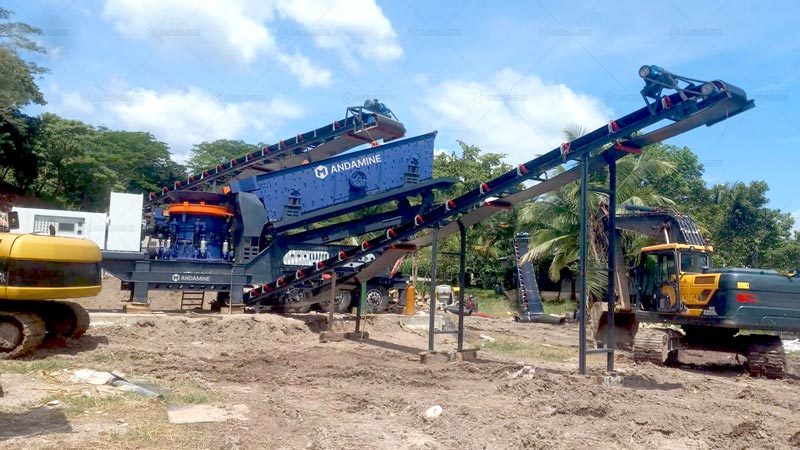
Manual adjustments often lead to improper crusher gap settings, resulting in either oversized aggregate recirculating excessively through closed loops or over-crushing that generates unmarketable rock dust. Closed-loop control systems continually calibrate the gap settings on your secondary cone crusher(chancadora cónica), adjusting settings based on real-time particle size analysis downstream to guarantee strict specification compliance.
Optimizing Closed-Circuit Recirculation Loads
Recirculating loads in secondary and tertiary loops represent significant wasted energy if not managed properly. Smart plant controls monitor the ratio of circulating material returning from screen decks. By automatically balancing the reduction ratio between secondary crushers and tertiary shaping units, the system minimizes unnecessary material passes and lowers overall kilowatt-hour consumption per ton.
Building Future-Ready Operations via Predictive Telemetry
The ultimate goal of deploying intelligent controls in an aggregate plant is transitioning from simple operational stability to complete predictive maintenance. Modern edge-computing platforms collect historical performance trends alongside live diagnostic data. System algorithms analyze subtle changes in hydraulic fluid pressure, power consumption patterns, and liner wear rates to schedule maintenance during planned shifts rather than reacting to emergency breakdowns.
Unlocking Peak Profitability Through Smart Process Control
Achieving stable high-volume throughput in modern quarrying is no longer about simply running larger machinery at maximum speed. By embedding intelligent control systems across your complete processing layout, operators can protect high-value equipment like the secondary cone crusher from damage, automatically adjust to changing raw ore conditions, and maintain tight product gradations continuously. As specifications for construction aggregates become increasingly strict, transitioning to an automated, telemetry-driven operation remains the most reliable strategy for lowering operating costs, maximizing circuit uptime, and securing long-term profitability.