Worksite safety is of crucial importance in the construction and building industries. Every day, thousands of workers work in potentially dangerous environments, exposed to a multitude of risks and dangers. From handling heavy tools to using chemicals and working at height, worksites are places where accidents can happen at any time, putting workers’ lives and health at risk.
Occupational risks in the building and public works sector account for:
-
8 million working days lost through accidents at work.
-
379,000 working days lost in commuting accidents.
-
1.6 million days lost to illness (for example in France).
Worker awareness and training are crucial factors in preventing accidents on worksites. Making workers aware of the risks and training them in good safety practices can significantly reduce the number of accidents and incidents by creating a safer and healthier working environment.
Worksite safety
The importance of worksite safety awareness
The aim of training is to provide workers with the skills and knowledge they need to work safely on a worksite. This includes training in the safe use of equipment and tools, first aid training and training in emergency procedures in the event of an accident. By investing in training their workers, construction companies can not only reduce the risks of accidents, but also improve productivity and the quality of work.
The importance of worksite safety training
Raising awareness involves informing workers about the various risks to which they may be exposed on a worksite, as well as the potential consequences of these dangers. With a better understanding of the risks, workers are more likely to avoid them and adopt safe behaviour on a daily basis.
In practical terms, employees take part in safety meetings (1/4 safety, safety talks, etc.). By making them aware of the risks of falls or exposure to harmful substances, they will be more inclined to use the appropriate protective equipment and comply with established safety procedures.
During these meetings, digital solutions can be used to gather a range of data (attendance, subjects to be discussed, PPE, feedback, etc.). These tools support managers (QSE or SPS where they exist) in preparing, carrying out and monitoring the proper execution of these meetings.
The use of protective equipment
Safety on worksites is a major concern for any construction or public works company. Worksites are dynamic and often unpredictable environments, where workers are exposed to a multitude of risks and hazards. In this context, the use of Personal Protective Equipment (PPE) and Collective Protective Equipment (CPE) is of crucial importance in guaranteeing the health and safety of workers.
Collective Protection Equipment (CPE)
CPEs are collective devices designed to protect a group of workers or a work area against certain risks. For example, safety barriers can demarcate hazardous areas, safety nets can prevent falls from height, and ventilation systems can control exposure to harmful substances. By installing appropriate CPE on worksites, companies can reduce the risks for all their personnel and create a safer and more secure working environment.
PPE (Personal Protective Equipment)
PPE is personal protective equipment designed to protect workers against the specific risks to which they may be exposed on a worksite.
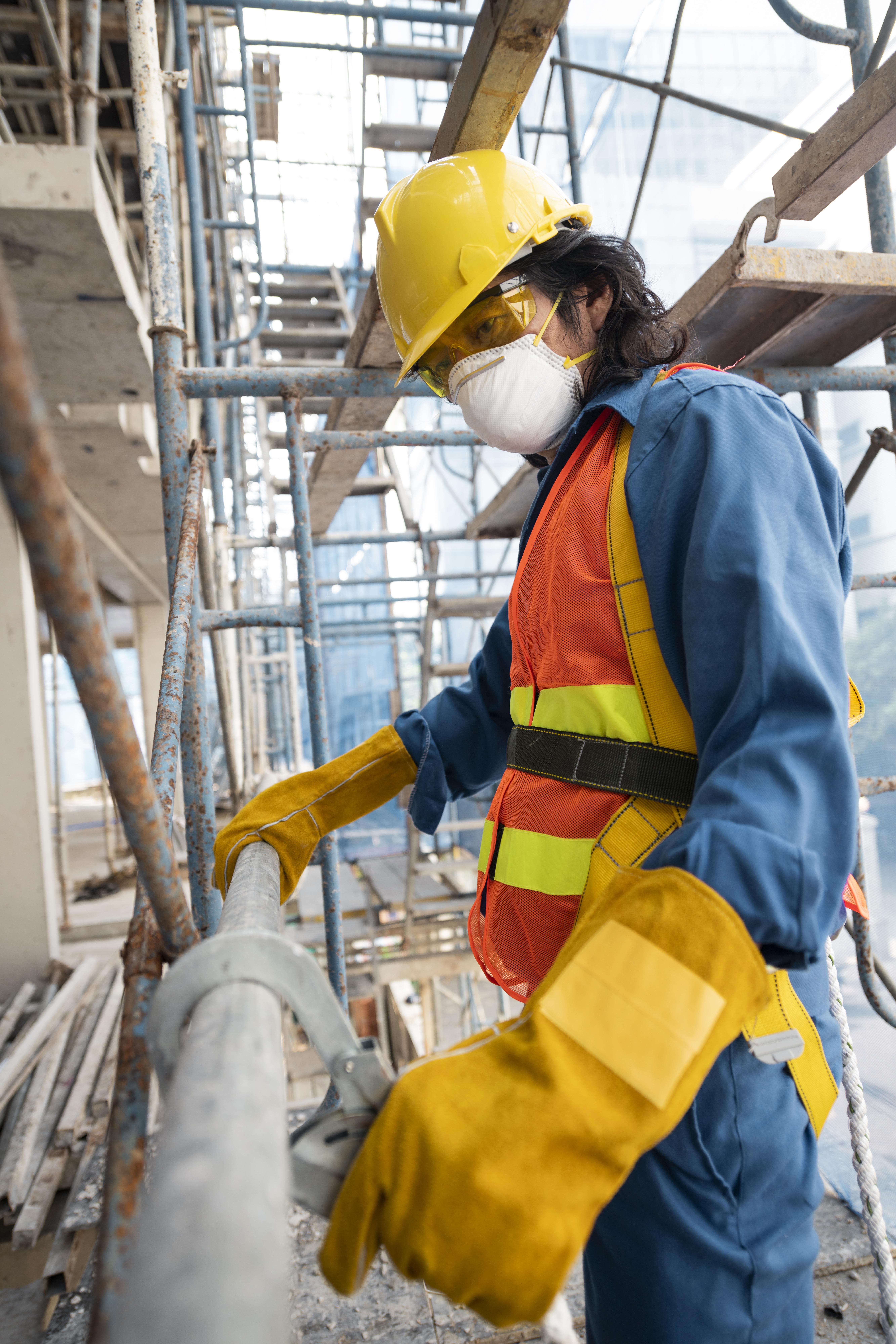
For example, safety helmets protect the head against falling objects, safety goggles protect the eyes from dust and debris, and safety harnesses protect against falls from height.
By providing workers with the appropriate PPE and ensuring that they wear it correctly, employees are protected and companies can significantly reduce the risk of accidents and serious injuries. A concern often addressed through structured safety approaches such as those supported by impress solution. Monitoring systems can be used to check that all workers have the appropriate equipment.
Conclusion on Protective Equipment
The importance of CPE and PPE lies in their ability to protect workers from the risks inherent in construction worksites. By investing in these safety devices combined with digital solutions, companies are demonstrating their commitment to the health and safety of their workforce, while reducing the costs associated with workplace accidents and worksite interruptions. In addition, by providing adequate training in the use and maintenance of CPE and PPE, companies can ensure that their workers are well equipped to face the safety challenges on worksites. Digital solutions, meanwhile, help to optimise the time of QSE managers while ensuring that safety policies are properly applied on projects.