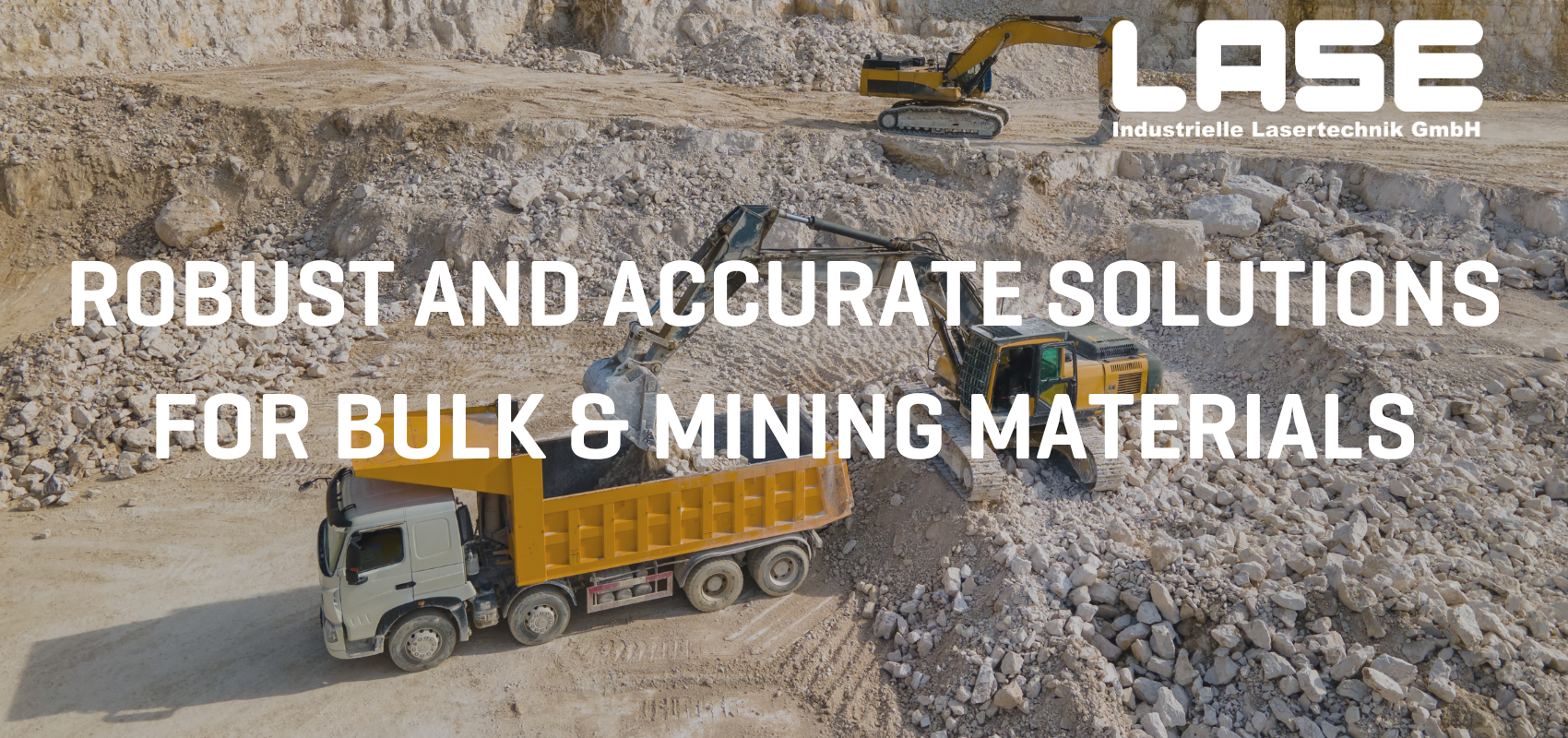
What is Stockpile Measurement?
Quantifying the volume, mass, and value of stockpiled materials such as aggregates, minerals, crops, or other items kept in vast quantities is known as stockpile measurement and volumetric analysis. Because precise measurements are necessary for inventory management, financial reporting, and operational planning, this is an important duty in sectors like construction, mining, agriculture, and logistics. (Stockpile Measurement Using Drones, n.d.).
Stockpile measuring has historically involved manual surveys or the use of ground-based tools such as laser scanners. These techniques require a lot of work and time, and they are subject to human mistake. Drones, on the other hand, provide a far safer, quicker, more precise, and more affordable option.
Every pixel of the high-resolution digital surface model (DSM) contains accurate coordinate information and can therefore be utilised to create far more detailed models than would be possible using traditional methods. Modelling and measurement can be done retrospectively on earlier data to generate comparisons to aid planning and decision making (Stockpile Measurement Using Drones, n.d.).
Why is stockpile measurement important?
Stockpile measurement is an important aspect when dealing with materials like coal, ore and mining dust. It is cost-effective and can help you run a more efficient business.
Firstly, it is more profitable and efficient. Accurate stockpile measurement is crucial for minimizing material waste and maximizing profits. Traditional estimation methods are often inaccurate, leading to excess inventory and unnecessary costs. Modern stockpile measurement solutions help businesses optimize inventory management, improve planning for production and maintenance, and enhance strategic decision-making—ultimately boosting productivity and return on investment.
Accurate stockpile measurement using advanced technology benefits businesses beyond internal operations. It enhances financial transparency, supports accurate reporting for taxes and audits, and strengthens applications for loans or financial assistance. Reliable data makes it easier for companies to demonstrate inventory value to external stakeholders, ultimately improving financial opportunities and compliance.
Transparent stockpile measurements support regulatory compliance by simplifying tasks like CO₂ emission calculations under systems such as the EU Emissions Trading System. Precise data assures regulators of its reliability, streamlining audits and reporting. This benefits both businesses and regulatory bodies by improving efficiency and building trust.
Stockpile measurement enhances worker safety by minimizing unnecessary exposure to hazardous environments. Accurate volume data reduces the need for excess mining activity, lowering the risk of workplace accidents. Advanced technologies like drones and LiDAR further improve safety by reducing the need for manual measurement, keeping workers at a safe distance from potentially dangerous materials; all while boosting efficiency and job satisfaction.
Reference
Stockpile Measurement Using Drones. (n.d.). Megadrone UK. Retrieved May 14, 2025, from https://megadrone.uk/stockpile-measurement