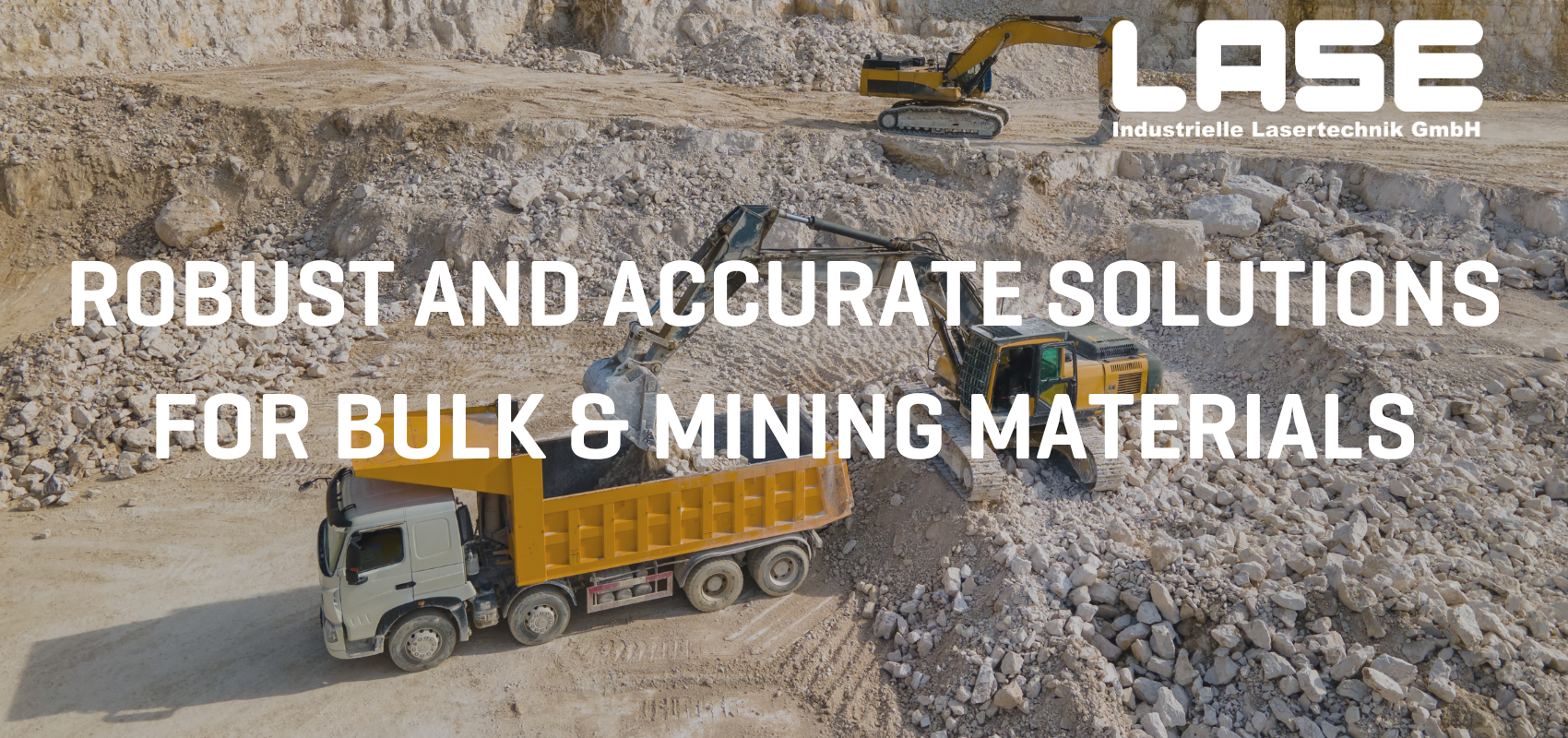
Mine closure and land reclamation are two interconnected processes that occur at the end of a mine’s operational life. Mine closure is the formal process of transitioning a mine after ore is depleted, involving decommissioning facilities, dismantling equipment, and managing waste.
Land reclamation focuses on restoring the mined land to a productive state, which could be ecological or economically usable. Essentially, closure is about shutting down the mine, while reclamation is about rehabilitating the land.
Geological factors are fundamental in mine closure and land reclamation, as they directly influence the feasibility, safety, and long-term stability of post-mining landscapes. Key geological considerations include:
Rock and soil types
The nature and composition of rocks and soils determine how land will behave after mining, affecting choices for reclamation materials, risk of erosion, and potential for vegetation regrowth. Soft or loose materials may pose higher settlement risks, while hard rocks may provide more stable ground.
Groundwater conditions
The location and movement of groundwater are crucial, as they affect the risk of mine flooding, subsidence, and contamination. Proper understanding guides the placement of waste materials, predicts acid mine drainage potential, and informs water quality preservation efforts.
Geotechnical stability
Geological structures such as faults, fractures, bedding planes, and slopes are assessed to minimize risks of landslides and ground subsidence, ensuring reclaimed land is safe for future use. Geotechnical investigations evaluate how stable excavated areas and waste dumps will remain over time.
Seismic and subsidence risks
Seismic activity and subsidence (settling or collapse of ground) must be considered, especially in areas with unstable underground voids or regions prone to earthquakes, as these threaten the long-term integrity of reclamation efforts.
Chemical properties and acid drainage
The mineralogy of leftover mine materials influences the likelihood of acid mine drainage and metal leaching. Geologists assess these risks to implement mitigation measures, like encapsulation of reactive waste or water treatment systems, to protect soil and water quality.
Hydrology and drainage patterns
Understanding pre-mining and post-mining hydrological conditions helps in designing drainage systems that prevent waterlogging, control runoff, and direct surface water appropriately to avoid future erosion or instability.
Landform and surface contouring
Post-mining land morphology is planned by analysing geological characteristics to sculpt stable slopes and vegetated landforms that blend with the surrounding environment and minimize erosion.
Use of geosynthetics and stabilization techniques
Geological properties inform the selection of geosynthetics (e.g., geotextiles) and other modern materials that reinforce slopes, retain waste, and stabilize soil during reclamation, reducing risk of settlement and erosion.
To sum up, geological factors guide critical decisions throughout mine closure and reclamation, from risk mitigation and environmental protection to ensuring land stability for future uses like agriculture, construction, or ecological restoration. Effective management relies on detailed geological surveys, geotechnical testing, and ongoing monitoring.