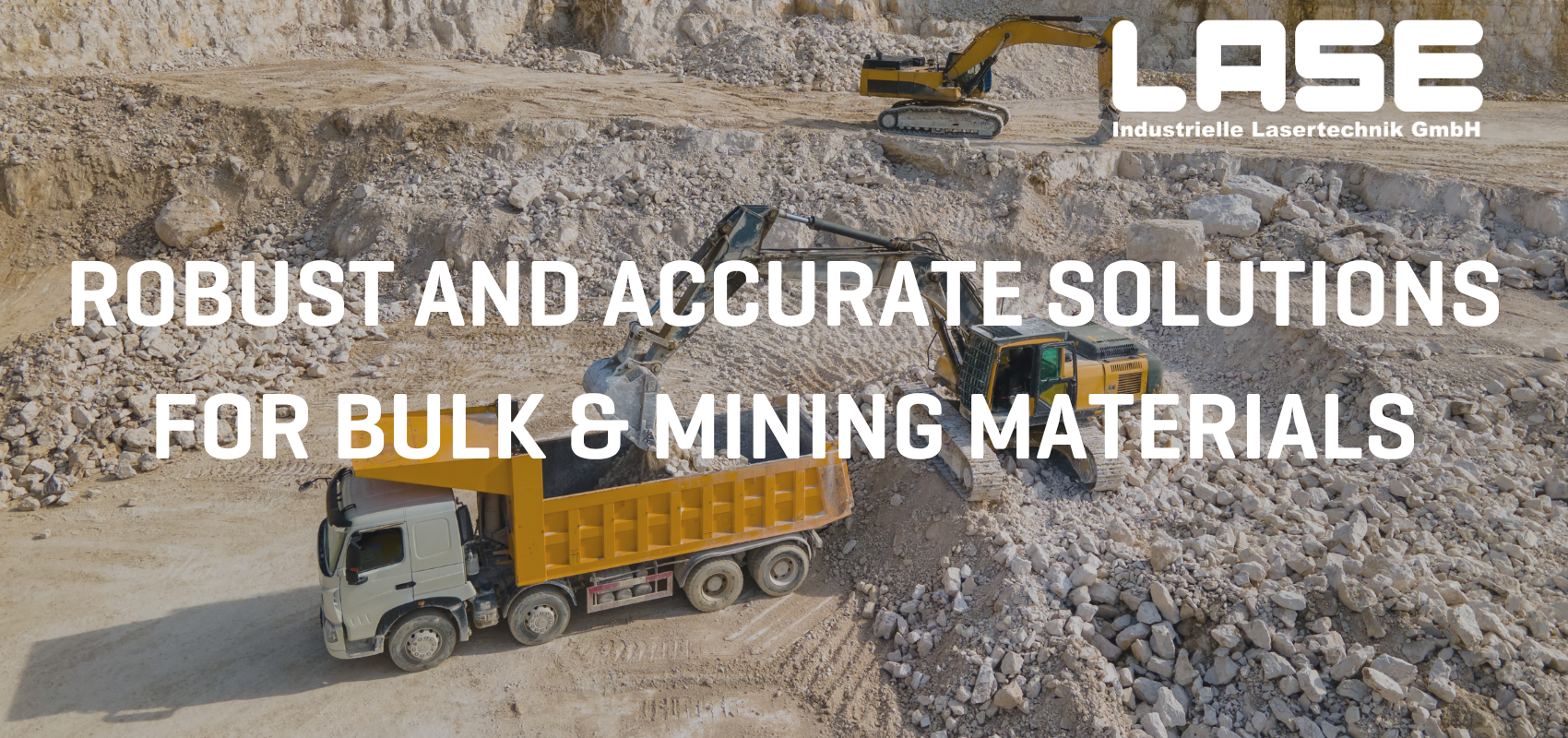
The key stages of a mining project typically unfold in a sequence of five main phases. These stages cover the entire lifecycle of a project from initial discovery through to closure and rehabilitation:
- Exploration & prospecting: this initial stage involves geological surveys, sampling, and drilling to identify and define mineral deposits. It includes evaluation of the area’s characteristics and potential environmental or social conflicts. This phase can take several years and requires significant investment.
- Planning & evaluation: at this stage, in-depth studies and analyses are carried out, such as geological, engineering, metallurgical, environmental, social impact assessments, and cost modeling. Feasibility studies are conducted to establish economic viability and risk mitigation. Permitting and licensing processes also occur in this phase.
- Construction: this phase involves building the mine infrastructure, such as roads, pits or shafts, processing plants, and support facilities including water management and housing. It prepares the site for commercial mining activity.
- Production: active extraction and processing of ore take place in this phase. It involves mining operations like drilling, excavation, hauling, crushing, grinding, and ore refining. The mining method depends on deposit characteristics and regulatory, safety, and economic factors.
- Closure & rehabilitation: this final stage encompasses mine closure activities, site restoration, and reclamation to mitigate the environmental footprint of mining. It includes monitoring and managing any residual impacts post-mining and reusing the land where possible.
These stages ensure comprehensive consideration of technical, economic, environmental, and social factors throughout the mining project lifecycle, allowing the project to progress from discovery to sustainable closure with regulatory compliance and stakeholder engagement.