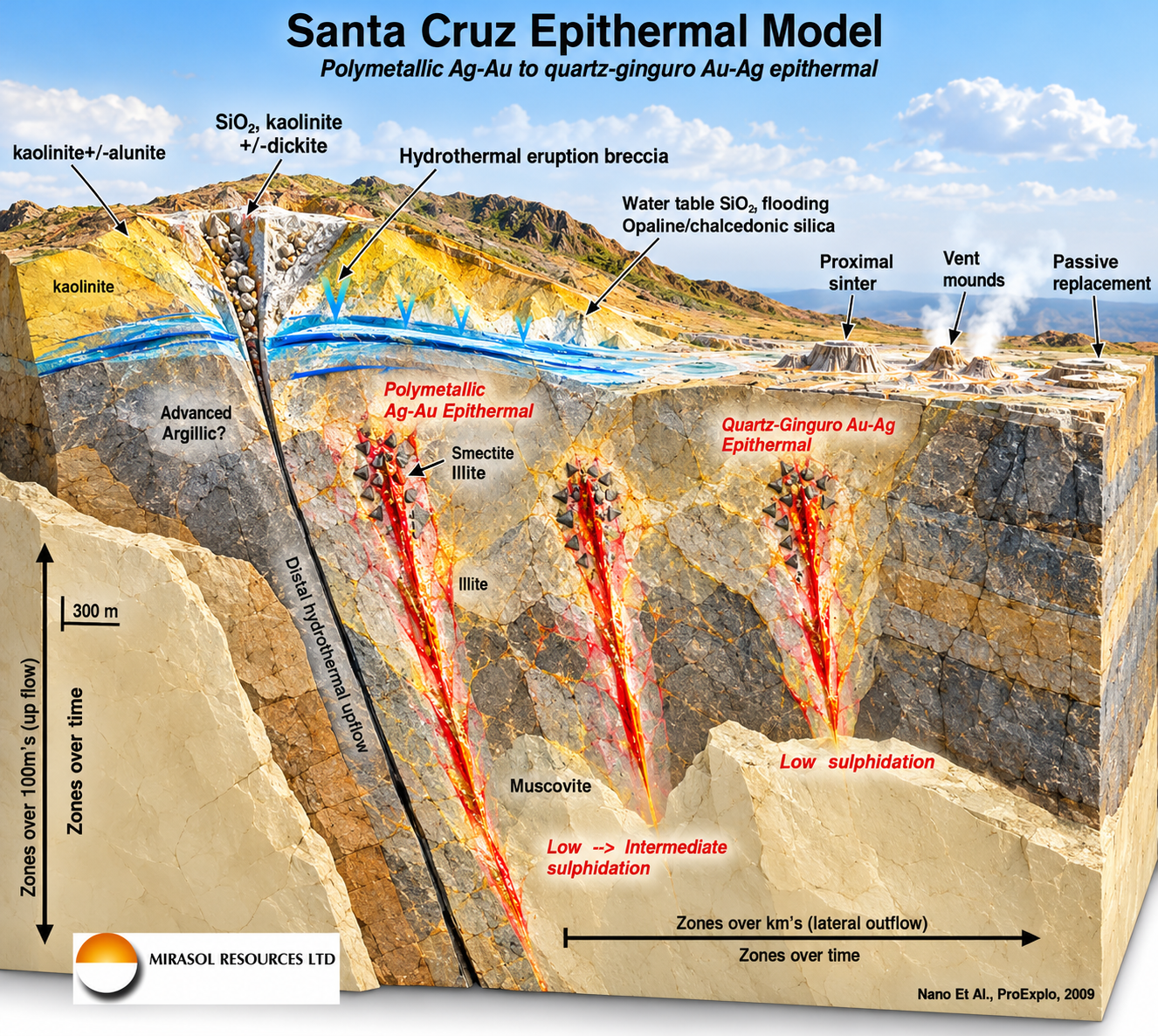
Narrow vein-hosted mineral deposits present significant modeling challenges due to their intricate geometry, variable widths, and grade variations. Hydrothermal fluids travel through faults, shear zones, and fracture meshes across the crust. Structural geology provides the essential framework to understand these subsurface pathways. Integration of structural geology into three-dimensional geological models transforms mineral resource estimation from simple grade interpolation into a realistic representation of subsurface geology. Dynamic models that honour true structural controls enable exploration teams to evaluate fluid dynamics, define accurate vein geometries, and improve confidence in resource domains.
Active faults and interlinked fracture networks create high-permeability conduits for large-volume hydrothermal fluid movement. Structural style directly dictates the geometric distribution of the resulting ore shells. Vertically oriented fault zones channel ascending magmatic fluids and mixing meteoric waters, forming vertically extended and asymmetric mineralized zones. Conversely, subhorizontal vein networks require a hydraulic connection to distal vertical structures when direct pathways above injection points are absent. Cyclic fluid pressure fluctuations trigger hydraulic fracturing and dynamic crack-seal processes. Repeated opening and closing of fractures dictate fluid continuity and govern mineral precipitation across successive hydrothermal events.
Systematic drill core logging and geological mapping establish the overprinting relationships between tectonic fabrics and successive vein generations across deformation phases. Structural analysis allows geologists to decipher complex vein textures that can otherwise distort grade interpretations. Composite veins often record multiple mineralizing events along reactivated structural weaknesses, while alteration selvages can modify surrounding host rocks asymmetrically. Host-rock competency contrasts produce pinch-and-swell structures or variations in vein thickness as structures cross different lithological layers. Measurement of distinct vein orientation populations enforces geometric discipline, preventing unconstrained wireframing during resource construction.
Function-based implicit modeling tools incorporate structural surfaces and lithological boundaries rapidly to generate domains that reflect genuine geological controls. Advanced geostatistical transformations enhance spatial analysis within tortuous ore bodies. Dynamic anisotropy adjusts estimation search ellipsoids locally along changing dips and strikes to accurately determine true vein thickness. Coordinate unfolding flattens curvilinear vein geometries into a simplified local space, which ensures variogram calculations follow true spatial continuity along strike and down dip before back-transformation into Cartesian space. Structurally grounded resource domains provide high confidence for reporting standards, reduce mining dilution, and optimize underground stope boundary design.
Structural geology forms the essential link between microscopic vein observations, crustal fluid dynamics, and digital three-dimensional ore models. Rigorous structural mapping and systematic core analysis establish chronological frameworks that guide domaining and estimation. Modern implicit workflows and geostatistical unfolding further preserve geological realism within complex tabular deposits. Far from being an unnecessary complication, structural geology provides the foundation to minimize exploration risk, refine reserve predictions, and ensure profitable underground mine planning.