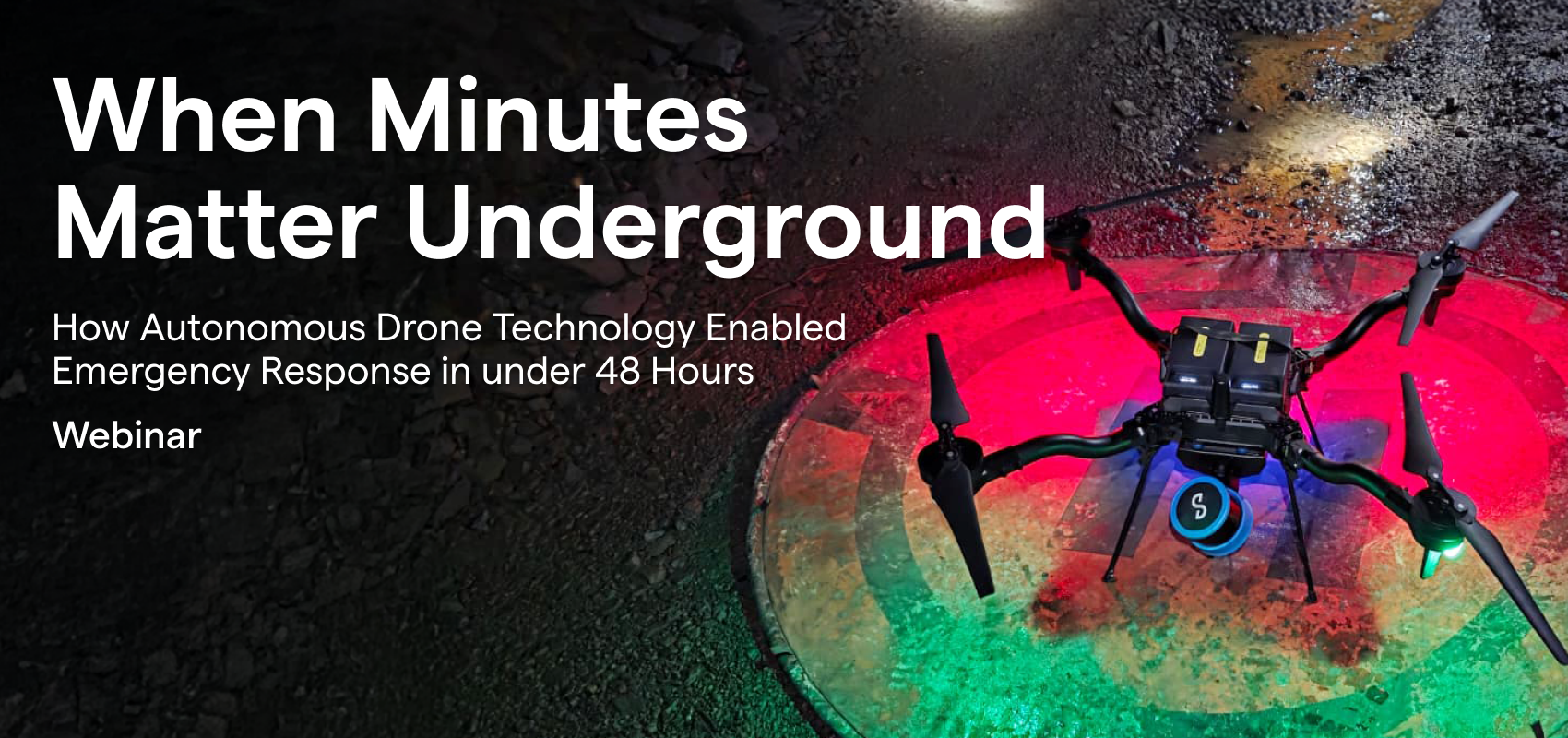
The mining industry today is undergoing a major technology shift, defined as “Mining 4.0.” Past understandings of the implications of automation have focused on the potential for large numbers of people to lose their jobs, but current academic studies suggest that the actual picture may be more complex. Automation in the mining industry does not just decrease the number of people working in the field, but rather reconfigures the workforce, retiring dangerous and repetitive work and replacing it with safer, more advanced, and technology-focused work (Pekkari et al., 2026).
The transition from manual labor to technical oversight
Traditionally, mining activities have been characterized as both labor-intensive and risky. Recent studies have shown that the use of automation technologies, including autonomous haulage systems and remote-controlled drilling, has the effect of removing human operators from dangerous areas, including blast areas and unstable underground environments (Saubi et al., 2025). A synthesis of various studies by Ruiz-del-Solar, (2025) has shown that the use of automation technologies in mining activities does not lead to a reduction in the overall number of employees in the mining sector. Instead, the use of automation technologies has the effect of redeploying the employees in the mining sector to “remote operations centers,” where the employees who used to operate the mining equipment are deployed as controllers and analysts of the autonomous mining equipment.
The rise of high-value skills and hybrid roles
With the rise of automation, there has been a notable increase in the demand for hybrid skills, and scholarly literature indicates that the modern mining professional has to possess the skills of traditional geological or operational knowledge, coupled with digital literacy skills, including the interpretation of data and the management of artificial intelligence, as highlighted in Pekkari et al., (2026). An empirical study conducted in the South African mining industry indicates that despite the decrease in employment opportunities in low-skilled labor, there has been an increase in the demand for experts in the field of cybersecurity, IoT condition monitoring, and predictive maintenance, and these improved employment opportunities are often linked to better remuneration and conditions compared to traditional physical labor (Manana et al., 2026).
Bridging the skills gap through reskilling
The main challenge that has been identified in the recent past relates to the skills gap that exists between the existing workforce and the capabilities required in automated mining operations. An assessment of the mining process in Zambia and Australia revealed that the development of better-quality employment depends on the support of institutions and corporate training initiatives (Katongo et al., 2026). When companies invest in re-skilling, not only will the employment of workers be maintained, but they will also be able to transition to value-added employment characterized by advanced problem-solving and collaboration between humans and AI (K, 2026).
Conclusion
The role of human labor is being redefined through automation in the mining industry. By using machines to perform tasks that are dull, dirty, and dangerous, the mining industry is creating a new class of professional jobs that require cognitive skills and safety. In the coming years, as the mining industry advances towards 2026, the focus should be on strategic workforce development to prepare miners for the next level of jobs.
References
K, R. H. (2026). AI and the Future of Work: Navigating Job Displacement, New Job Roles, and Skill Transformation. Academy of Marketing Studies Journal, 30(1), 1–12.
Katongo, M., Kuyela, K. M., & Kumari, N. (2026). The Impact of Employee Training and Development on the Adoption of New Mining Technologies in Zambia. A Case Study of FQM – TRIDENT. JETIR, 13(2). https://www.jetir.org/view?paper=JETIR2602207
Manana, B. N., Bester, C., & Vallabapurapu, S. (2026). AUTOMATION AND DIGITAL TRANSFORMATION IN THE MINING INDUSTRY – SOUTH AFRICA. International Journal of Communication Networks and Information Security (IJCNIS), 144–159.
Pekkari, A., Lööw, J., Johansson, J., Lund, E., Abrahamsson, L., & Gustafson, A. (2026). Mining work in transition: Experts’ predictions on changes and transformations for miners. Mineral Economics. https://doi.org/10.1007/s13563-025-00572-0
Ruiz-del-Solar, J. (2025). The Road to the Mine of the Future: Autonomous Collaborative Mining. Mining, 5(2). https://doi.org/10.3390/mining5020025
Saubi, O., Rodrigo S. Jamisola, J., Gaopale, K., Suglo, R. S., & Matsebe, O. (2025). A Solution Surface in Nine-Dimensional Space to Optimise Ground Vibration Effects Through Artificial Intelligence in Open-Pit Mine Blasting. Mining, 5(3). https://doi.org/10.3390/mining5030040