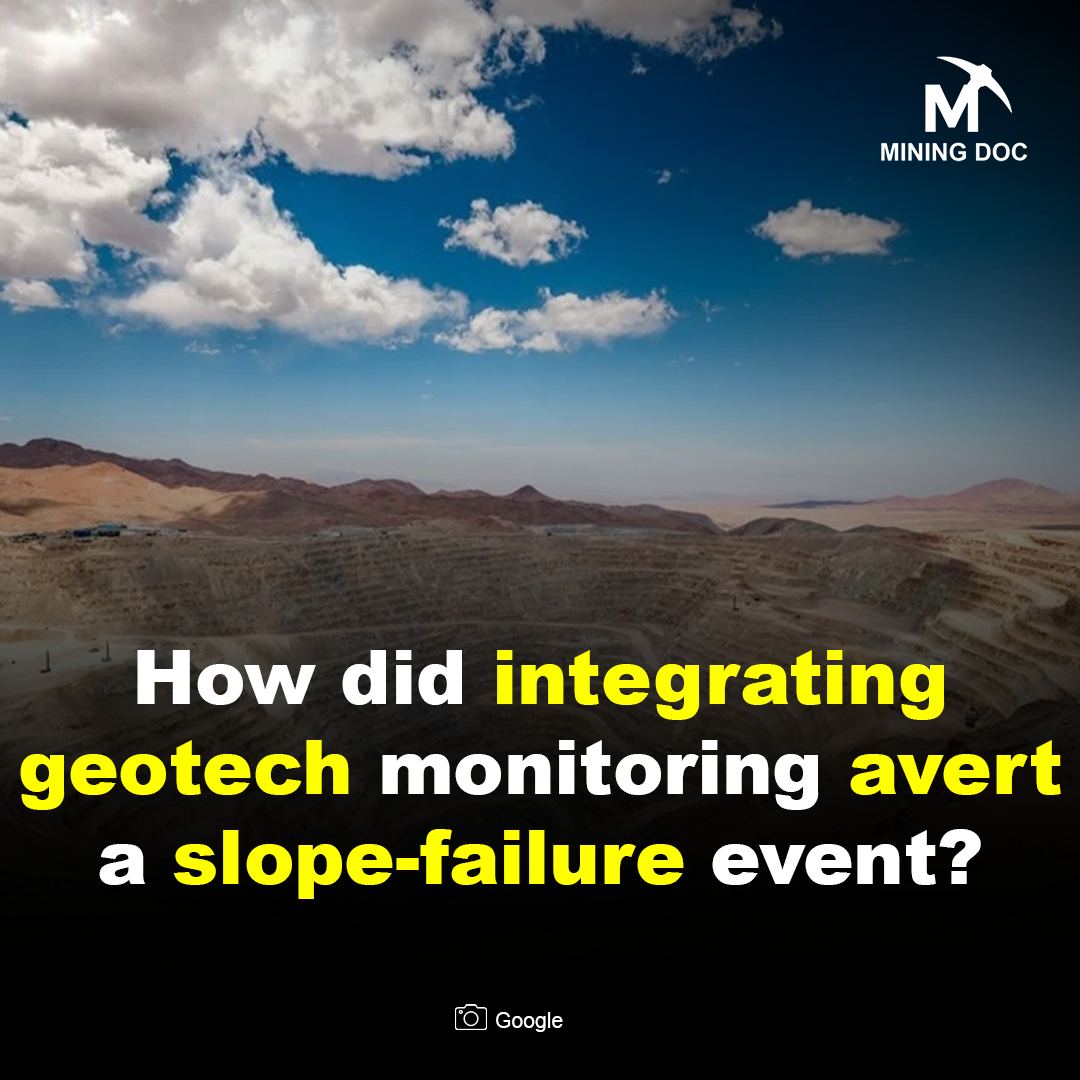
Integrating real-time geotechnical monitoring with radar, prisms, and piezometers detected progressive slope movement days in advance, enabling timely evacuations and reinforcements in high-risk open-pit mines (Anggraeni et al., n.d.).
The Sequence:
- Early Detection: Radar identified mm-level displacements 48 hours prior, shifting from progressive to regressive patterns, alerting teams before catastrophic failure.
- Preventive measures informed by real-time data enabled operational shutdowns, wall scaling, and drainage, preventing the fatalities and operational downtime typically associated with unmonitored incidents(Correlations of Geotechnical Monitoring Data in Open Pit Slope Back-Analysis -A Mine Case Study, n.d.).
- Proven Impact: Multiple case studies demonstrate that continuous, 24/7 monitoring significantly reduces operational risk by delivering timely, data-driven warnings. These actionable insights enable proactive decision-making, strengthen worker safety, and maintain operational continuity by preventing incidents before they escalate.
When slope instability communicates through sub-millimeter deformation and increasing pore pressures, do your monitoring systems integrate data effectively enough to provide actionable warning in time?
Reference:
-
Anggraeni, W. P., Utomo, D. P., Dwitya, R., & Musa, H. (n.d.). Lesson Learned from Five Case Studies and Reveal Contributing Factors to Fatalities in Mining Industries: Insights from Slope Stability Monitoring.
-
Correlations of geotechnical monitoring data in open pit slope back-analysis -A mine case study. (n.d.). Retrieved January 23, 2026, from https://scielo.org.za/scielo.php?script=sci_arttext&pid=S2225-62532021001000008