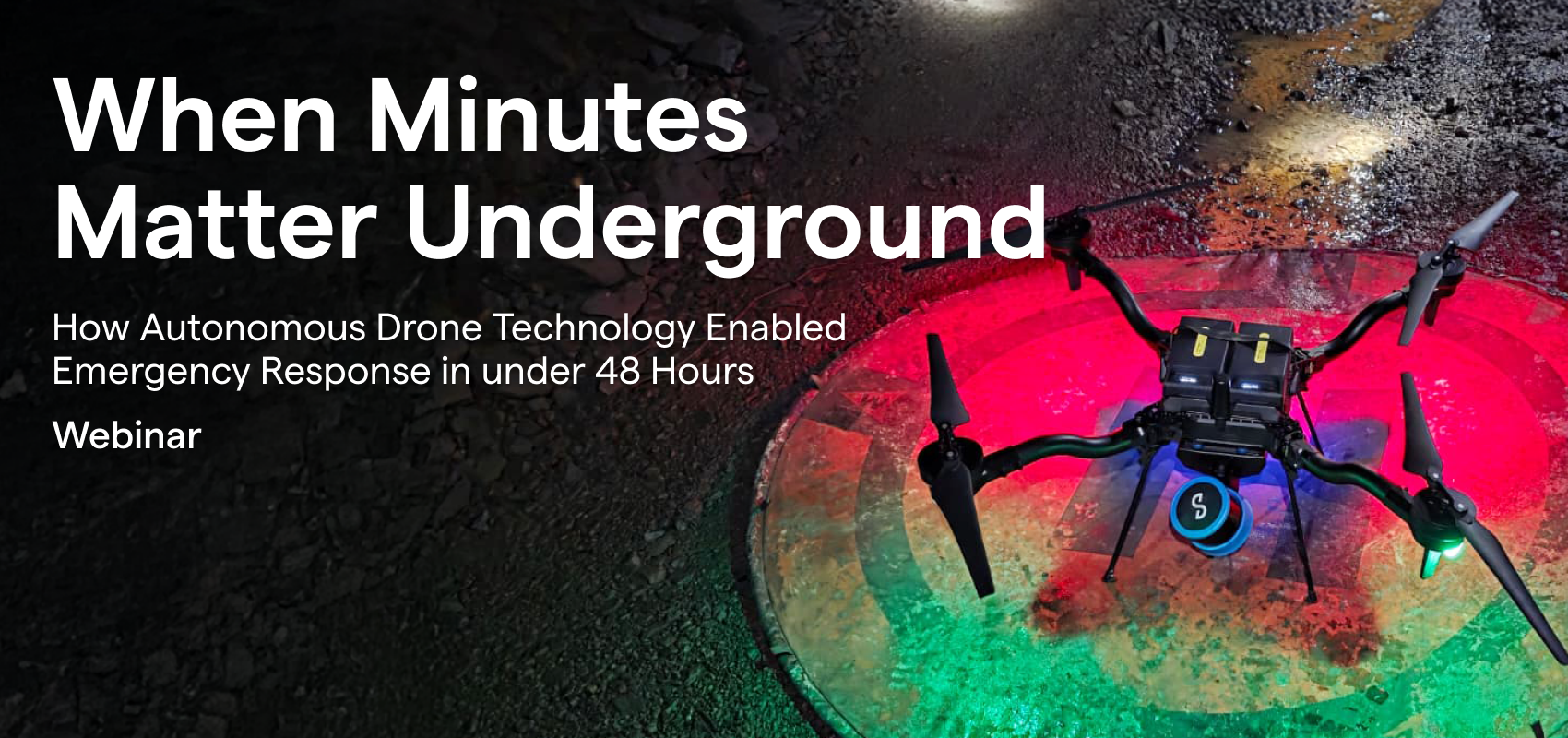
Technology and artificial intelligence (AI) have revolutionized geophysics by improving the collection, processing, and interpretation of geophysical data. Through machine learning, large and complex datasets can be analyzed more efficiently, uncovering patterns and anomalies that traditional methods may overlook. These advances enhance subsurface imaging by minimizing noise, increasing resolution, and producing clearer geological models( Deric Cameron,2023).
AI enhances geophysics by automating tasks like seismic processing, horizon tracking, and fault detection, enabling faster and more accurate analyses. It supports real-time monitoring for disaster management and environmental protection while optimizing resource exploration by predicting mineral deposits and targeting high-potential areas. By integrating multi-modal data from seismic, magnetic, gravity, and electromagnetic surveys, AI provides a detailed understanding of subsurface conditions and supports risk assessment. Additionally, it advances sustainable energy efforts through improved geothermal and CO₂ storage evaluations and better reservoir management(admin, 2025).
In summary, incorporating technology and AI into geophysics enables quicker and more precise analyses, enhances decision-making, streamlines exploration, and deepens our understanding of the Earth’s subsurface, transforming both research and practical applications in the geosciences.
What new skill or technology do you believe is most critical for the modern geophysicist to master to harness the power of AI?
References:
-
https://www.linkedin.com/pulse/integration-ai-geophysics-deric-cameron-0y53e/
-
admin. (2025, January 4). AI for Geophysics. John Lab. https://www.john-lab.org/research/research-energy/ai-for-geophysics/