As high-grade ore reserves naturally deplete worldwide, mining companies are facing a tough operational reality: head grades are declining, while traditional processing costs continue to rise.
At the same time, sitting right on the surface of many mature mines are millions of tons of historical waste rock piles and low-grade stockpiles. Decades ago, without precise sorting technology, vast amounts of mineralized rock were classified as “uneconomic” and dumped aside.
Today, processing these marginal stockpiles through a traditional flotation or leaching plant often loses money. But what if you could extract high-grade feed from these waste piles before spending a single dollar on grinding?
Here is how modern X-Ray Transmission (XRT) smart sorting is turning historical waste dumps into bankable, high-margin revenue streams.

How XRT Sorting Turns Marginal Ores and Waste Dumps into Bankable Assets
1. Why Legacy Waste Dumps Hold Untapped Wealth
Historical stockpiles represent an overlooked opportunity for several clear reasons:
- Zero Mining & Blasting Costs: The material has already been drilled, blasted, excavated, and transported to the surface. Your extraction cost is essentially zero.
- Inexact Historical Sorting: Older mining operations relied on visual inspection or crude selective mining. Significant quantities of valuable minerals were routinely misclassified as waste.
- Higher Commodity Prices: Ore grades that were unprofitable 20 years ago are far more valuable in today’s market—provided your processing cost per ton remains low

how modern X-Ray Transmission (XRT) smart sorting is turning historical waste dumps into bankable, high-margin revenue streams
2. How XRT Pre-Concentration Converts Waste into High-Value Feed
Processing low-grade material straight through a ball mill is a financial trap because you pay full grinding and power costs on barren rock.
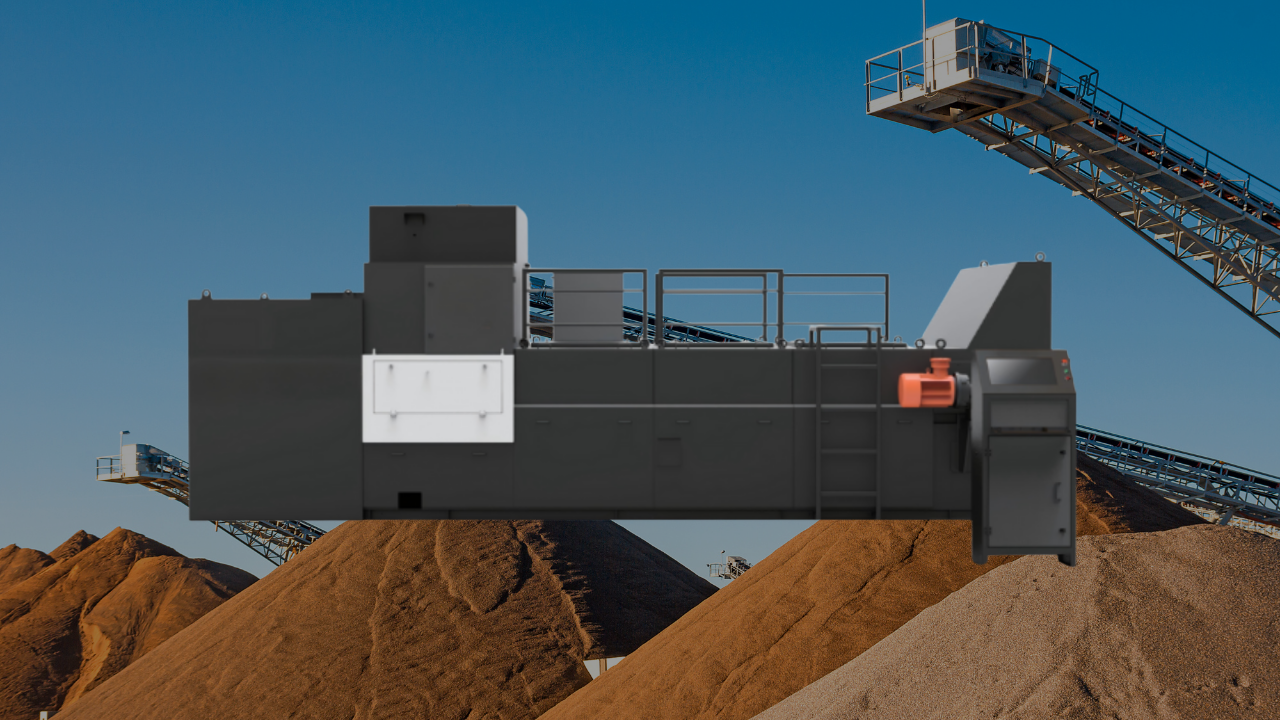
XRT smart sorting changes the math by introducing a high-throughput dry separation step right at the stockpile site:
- Coarse Waste Rejection: Dual-energy X-ray sensors scan material at coarse size ranges (typically 10mm to 100mm), evaluating atomic density in real time.
- Instant Grade Uplift: By precision-ejecting 60% to 80% of completely barren gangue rock, the system transforms a low-grade 0.5% feed into a rich 2.0%+ concentrate feed for your processing plant.
- Modular Deployment: Compact XRT systems can be positioned directly near historical waste piles, keeping truck haulage distances to a minimum.

XRT Ore Sorting: Why Legacy Waste Dumps Hold Untapped Wealth
3. Strategic Advantages for Mine Owners & Investors
Reclaiming value from marginal stockpiles delivers distinct commercial and ESG benefits:
- Extending Mine Life (LOM): Generate additional years of profitable production without investing in new underground development or open-pit expansions.
- Unlocking “Unmineable” Resources: Turn low-grade satellite deposits or marginal ore bodies into economically viable assets.
- Environmental Remediation & ESG: Clearing legacy waste piles reduces the mine’s surface footprint, mitigates acid mine drainage risks, and lowers long-term closure liabilities.

Strategic Advantages for Mine Owners & Investors
Conclusion
In modern mineral processing, “waste” is often just mineralized rock waiting for the right technology. By deploying XRT pre-concentration upfront, mine operators can turn historical waste rock from an environmental liability into a predictable, low-cost profit driver.
Have low-grade stockpiles, historical waste dumps, or marginal ore bodies at your site?
Send us your material samples for a FREE laboratory XRT feasibility test! Our technical team will analyze your samples to evaluate mass rejection rates, grade uplift, and the commercial viability of reclaiming your stockpiles.
📩 Contact us for sample testing & custom solutions:
- WhatsApp: +8618326129021