
Sign In


Forgot Password?

Don't have account, Sign Up Here

Forgot Password

Lost your password? Please enter your email address. You will receive a link and will create a new password via email.


Have an account? Sign In Now

Sorry, you do not have permission to Add a Post, You must login to Add a Post.


Forgot Password?

Need An Account, Sign Up Here

Sorry, you do not have permission to add Article.


Forgot Password?

Need An Account, Sign Up Here

Please briefly explain why you feel this Post should be reported.

Please briefly explain why you feel this Comment should be reported.

Please briefly explain why you feel this user should be reported.

Mining Doc Logo Mining Doc Logo Mining Doc Logo
Sign InSign Up

Mining Doc

Mining Doc Navigation

  • Home
    • About
    • Contact us
  • Mining articles
  • Online Courses
Search
Sign up

Mobile menu

Close
join for free
  • Home
  • Online courses
  • Case study
  • Mining Community
  • Solutions listing
    • Lase Solutions
    • O-PitBlast Solutions
    • Continuous Mining
    • Longwall mining
    • Geosight Scanners
    • LoopX AI
    • Terafil solutions
    • Blasting solutions
    • Geotechnical
    • Submersible Pumps
    • Mine rescue system
    • Ore sorting
    • Whittle Consulting Solutions
  • Add Blog
  • Feed
  • User Profile
  • Posts
    • New Posts
    • Trending Posts
    • Must read Posts
    • Hot Posts
  • Polls
  • Badges
  • Home
    • About
    • Contact us
  • Mining articles
  • Online Courses

Mining Doc Latest Posts

Mining Doc
  • 0
  • 0
Mining DocEnlightened
Added: September 10, 20252025-09-10T07:46:35-04:00 2025-09-10T07:46:35-04:00In: General Information

What are safety measures in underground coal mines?

  • 0
  • 0

Underground coal mining, or deep mining, extracts coal from seams too deep to be mined from the surface, typically more than 200 feet down. It involves sinking shafts into the earth, then creating a network of tunnels to access the coal seam, which is then removed using specialized machinery. The coal is then transported to the surface for processing.

Safety measures in underground coal mines are comprehensive and address a variety of hazards to protect miners. The main safety measures include:

  • Ground control: several methods such as rock bolting, mesh reinforcement, shotcrete, and geotechnical monitoring are used to prevent cave-ins and rockfalls caused by unstable rock formations or stress redistribution.
  • Ventilation: adequate and approved ventilation systems keep air moving to remove methane, carbon monoxide, coal dust, and other toxic gases. Real-time air quality and gas detectors are used to monitor these hazards continuously.
  • Fire and explosion prevention: methane monitoring, dust control through rock dusting, fire suppression systems (sprayers, automated suppression on machinery), and electrically safe equipment reduce the risk of fires and explosions from methane and coal dust.
  • Water control: efficient drainage and dewatering pumps prevent flooding risks, protecting miners from water hazards underground.
  • Equipment safety: operator training, collision prevention systems, automation, and regular equipment maintenance reduce accidents involving heavy machinery.
  • Personal Protective Equipment (PPE): hard hats, goggles, respiratory protection, ear protection, gloves, steel-toed boots, and proper protective clothing are mandatory, with worker training on correct use.
  • Emergency preparedness: multiple exits where practicable, clearly marked evacuation routes, emergency drills, and refuge chambers equipped with oxygen and communication systems ensure safe evacuation during incidents.
  • Health monitoring: measures to reduce respiratory diseases such as enhanced dust suppression, regular health screenings, and monitoring for silica dust exposure are standard practices.
  • Fatigue and stress management: shift rotations, mental health programs, and rest areas address worker fatigue and psychological stress in the demanding underground environment.
  • Regular inspections and risk assessments: continuous monitoring of ground stability, worker safety compliance, and hazard levels are conducted to proactively manage risks.

These safety protocols are supported by regulatory codes and standards, such as those enforced by federal mining authorities, to ensure safe working conditions in underground coal mines.

This comprehensive framework of safety measures is essential given the inherent hazards of underground coal mining like methane gas accumulation, rockfalls, fires, equipment accidents, and limited escape routes, and significantly reduces accident risks and health impacts on miners.
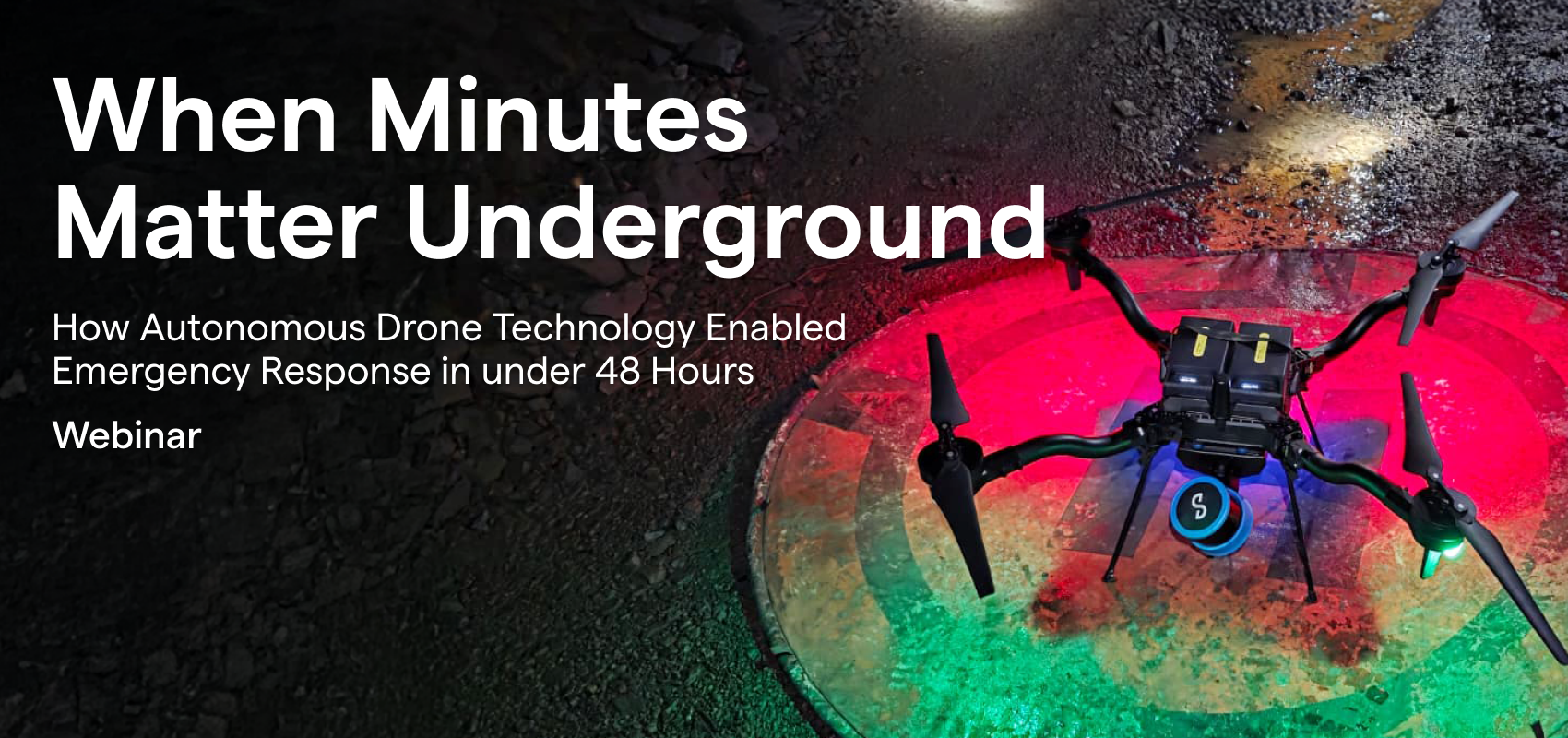

0
  • 0 0 Comments
  • 841 Views
  • 841 Reactions
  • 0 Followers
  • 0
    • Report
  • Share
    Share
    • Share on Facebook
    • Share on Twitter
    • Share on LinkedIn
    • Share on WhatsApp

Related Posts

  • How does M&A affect local communities around mines?
  • What is the difference between a merger and an acquisition in mining?
  • How does commodity price volatility affect M&A activity?

You must login to add an Comment.


Forgot Password?

Need An Account, Sign Up Here
aalanaalan

Sidebar

Ads – Mining Solutions

aalanaalan
  • Recent
  • Newmont beats profit forecast, plans $1.4 billion investment in Newcrest assets
    • On: February 20, 2026

    Newmont beats profit forecast, plans $1.4 billion investment in Newcrest ...

  • Rio Tinto reports solid 2025 results as copper growth and cost discipline drive performance
    • On: February 20, 2026

    Rio Tinto reports solid 2025 results as copper growth and ...

  • White House: no changes to Trump metals tariffs unless president announces them.
    • On: February 13, 2026

    White House: no changes to Trump metals tariffs unless president ...

  • Middlemount Mine Australia received a 7-year extension approval for coal mining until 2044.
    • On: February 13, 2026

    Middlemount Mine Australia received a 7-year extension approval for coal ...

  • Kamoa-Kakula DRC: Phase 4 expansion hitting critical production milestones
    • On: February 13, 2026

    Kamoa-Kakula DRC: Phase 4 expansion hitting critical production milestones

  • Optimizing Mining Operations with High-Performance Ore Crushing Machines
    • On: February 12, 2026

    Optimizing Mining Operations with High-Performance Ore Crushing Machines

  • Designing Tailings for the Century, Not the Quarter
    • On: February 12, 2026

    Designing Tailings for the Century, Not the Quarter

Go to Home page to view more

Top Members

Olena Skyba

Olena Skyba

  • 150 Posts
  • 2 Comments
Pundit
Marcial

Marcial

  • 91 Posts
  • 0 Comments
Enlightened
Jean Marais (Sanodea Group)

Jean Marais (Sanodea Group)

  • 25 Posts
  • 0 Comments
Beginner
Trending on Mining Doc

Trending Communities

Fixed Plant General Information Geology Mining Case Studies Mining Documentary Mining Engineering Mining Events Mining Finance and Economy Mining Human Resources Mining Industry Research Mining Operations Mining Software Solutions Mining Sustainability Mining Technology Solutions Mobile Plant Equipment

Explore

  • Home
  • Online courses
  • Case study
  • Mining Community
  • Solutions listing
    • Lase Solutions
    • O-PitBlast Solutions
    • Continuous Mining
    • Longwall mining
    • Geosight Scanners
    • LoopX AI
    • Terafil solutions
    • Blasting solutions
    • Geotechnical
    • Submersible Pumps
    • Mine rescue system
    • Ore sorting
    • Whittle Consulting Solutions
  • Add Blog
  • Feed
  • User Profile
  • Posts
    • New Posts
    • Trending Posts
    • Must read Posts
    • Hot Posts
  • Polls
  • Badges

Footer

Mining Doc

Join our community and connect with other people in the Mining industry for knowledge sharing.

Legal Stuff

  • Privacy Policy
  • Terms of Service

Help

  • Support
  • FAQs
  • How to add new content and how to promote a content
  • Compliance and guidelines
  • Subscribe to Mining Doc

Follow

© 2026 Mining Doc. All Rights Reserved