Slope stability monitoring in open-pit mining utilizes various technologies to ensure safety and operational continuity.
These are broadly categorized into remote sensing and in-situ instrumentation. Remote sensing technologies offer large-scale, non-intrusive monitoring.
Examples include radar scanning, such as CHCNAV’s PS-2000 GeoSAR systems, which provide millimeter-scale precision and 360-degree coverage in all weather conditions, instantly scanning new surfaces as excavation progresses (CHCNAV, 2025).
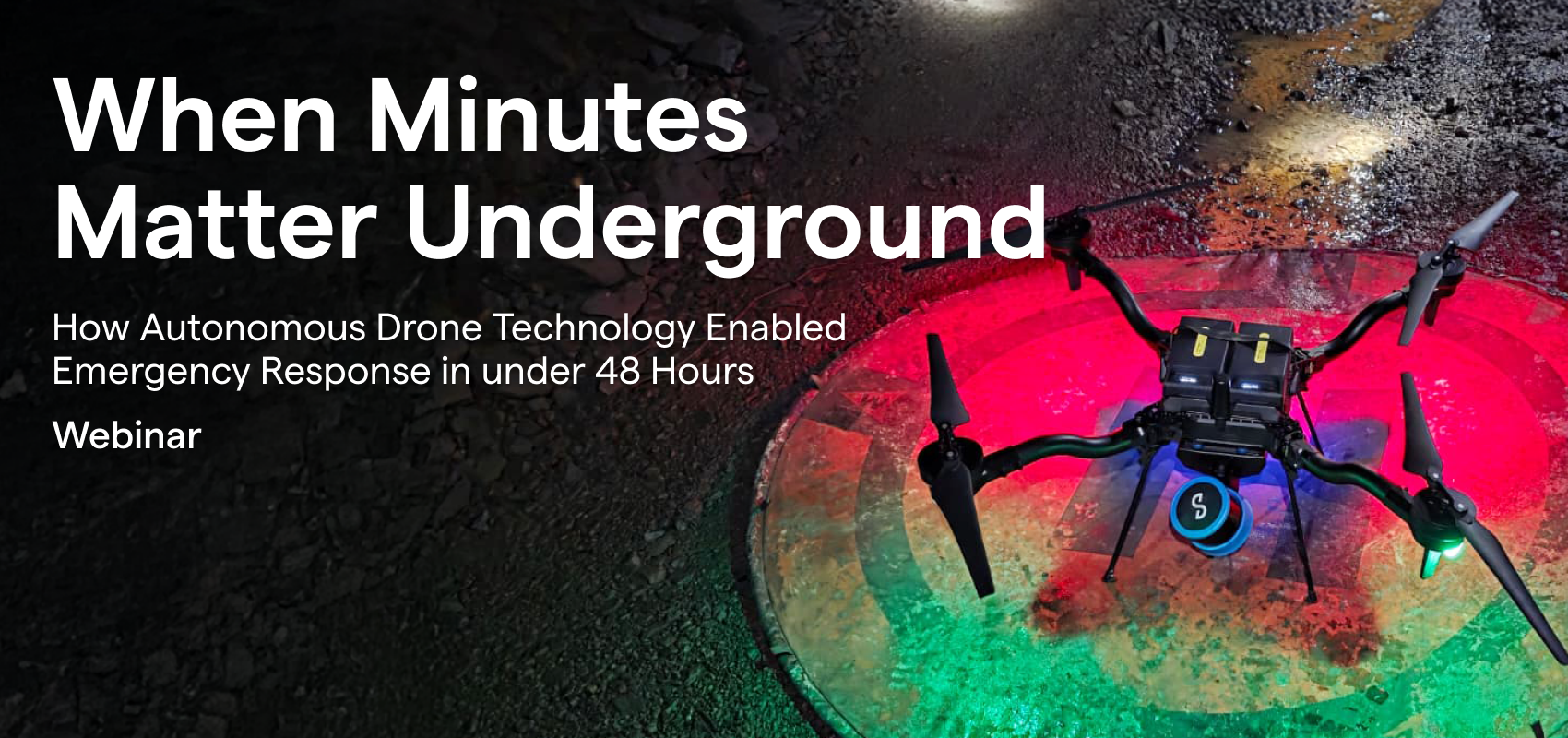
Laser and Lidar scanning generate detailed digital models of slopes, while Unmanned Aerial Vehicles (UAVs) or drones conduct aerial surveys and visual inspections, minimizing human exposure to hazardous zones.
Photogrammetry from UAVs is also used for dump slope change detection (Encardio Rite, n.d.).
In-situ instrumentation provides high-precision, localized measurements. This includes Total Stations and GNSS sensors for tracking surface displacements (JMMF, 2024), extensometers for crack dilation, and piezometers to monitor groundwater fluctuations, which significantly impact slope stability.
Advanced sensors like Fiber Bragg Grating (FBG) and Inertial Measurement Units (IMUs) detect sub-surface displacements and identify failure patterns with high accuracy (MDPI, 2024).
Other in-situ tools include tiltmeters, crack and joint meters, and anchor load cells (Encardio Rite, n.d.).
Geophysical methods, such as Ground Penetrating Radar (GPR) and Electrical Resistivity Imaging (ERI), assess subsurface conditions to aid stabilization strategies.
Integrated solutions combining multiple technologies are often recommended for comprehensive monitoring (Parsan, n.d.).
Which tool do you think is safer for slope monitoring drones in the sky or sensors in the ground? Share your thoughts!
References:
CHCNAV. (2025). Enhancing Safety in Open-Pit Mining: Deformation Monitoring and GeoSAR Technology. https://www.chcnav.com/about/news/2025/enhancing-safety-in-open-pit-mining-deformation-monitoring-and-geosar-technology
Encardio Rite. (n.d.). Underground Mine Monitoring Instrumentation & Monitoring. Retrieved from https://www.encardio.com/blog/underground-mine-monitoring-instrumentation-monitoring
JMMF. (2024). Slope Monitoring Techniques in Opencast Mines: A Review of Recent Advances. https://informaticsjournals.co.in/index.php/jmmf/article/download/36294/29387
MDPI. (2024). Slope Stability Monitoring Methods and Technologies for Open-Pit Mining: A Systematic Review. https://www.mdpi.com/2673-6489/5/2/32
Parsan. (n.d.). ROLE OF GEOPHYSICAL INVESTIGATIONS IN ASSESSING AND ENSURING SLOPE STABILITY IN INFRASTRUCTURE PROJECTS. https://www.parsan.biz/blog/geophysics-slope-stability/