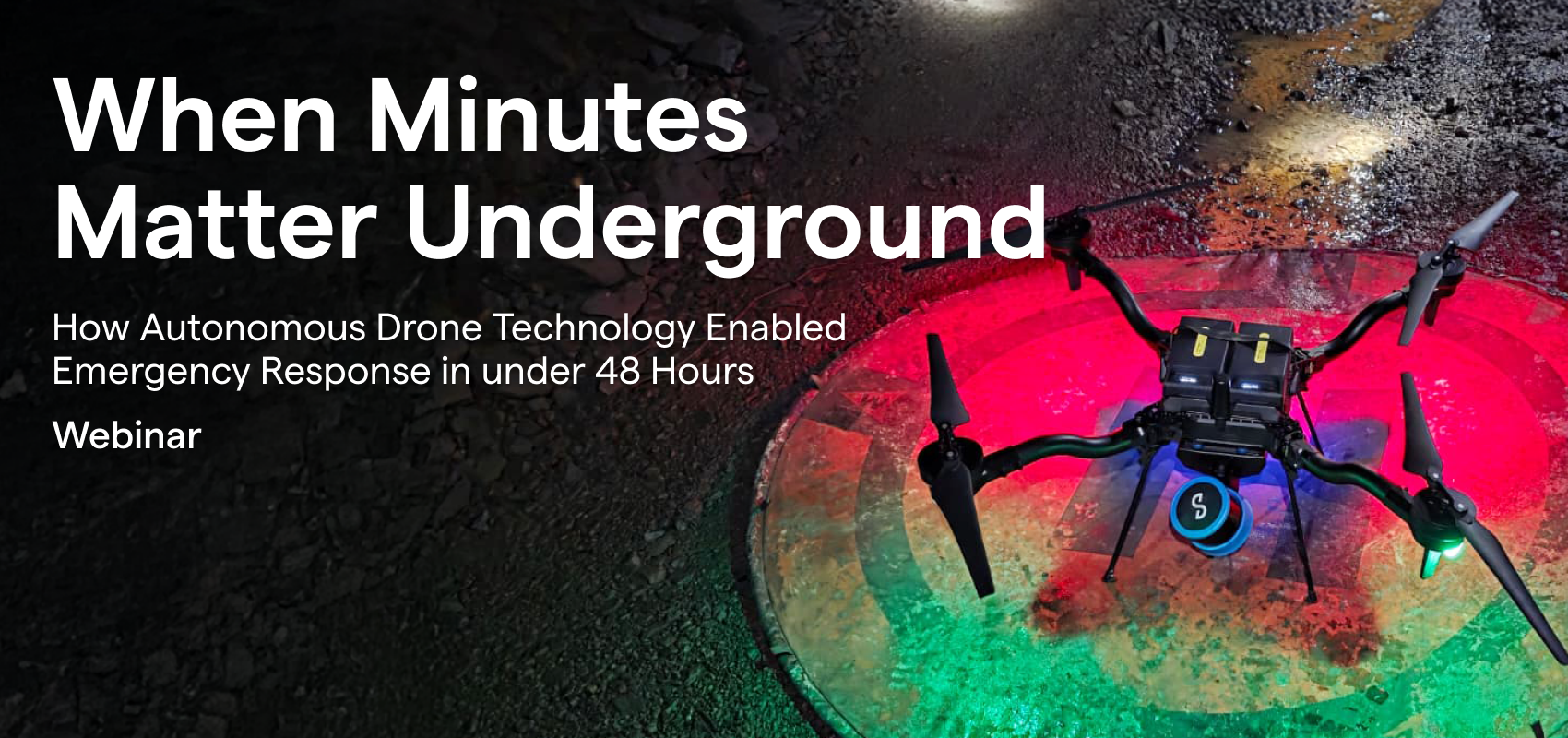
Exploration is a range of activities to help determine if there are minerals under the ground. If the exploration process identifies minerals can be commercially extracted, then mining in the future may be possible.
Less than one per cent of exploration projects typically progress to establishing a mine. This is part of the reason why mining and the resources extracted come at a high financial cost.
Initial exploration activities, such as mapping, will start over a large area and then target smaller and smaller areas. The aim is to see if mineralisation is at levels large enough to be commercially extracted.
Exploration for minerals may involve:
- mapping
- surveying the ground from the surface or air
- testing water and soil samples
- drilling.
Exploration is strictly governed. Minerals explorers need to apply for an exploration licence. The licence gives the explorer sole rights to search for a specific mineral within the specified area.
An exploration licence does not permit mining or guarantee that a mining licence will be granted. The licence holder may also apply for a mining or retention licence.
Nearly everything we use each day began life as a mineral. Your car, PC, mobile phone and power supply are all made with materials derived from minerals.
Exploration is an important step in finding minerals so they can be potentially mined. Our demand for minerals is increasing, for example, we need more copper to build renewable energy assets such as wind turbines. This demand is helping drive an increase in exploration across the state(Department of Energy, 2025).
What’s the most surprising or unexpected discovery you’ve ever heard of in any field of exploration? Share your fascinating insights!