Introduction
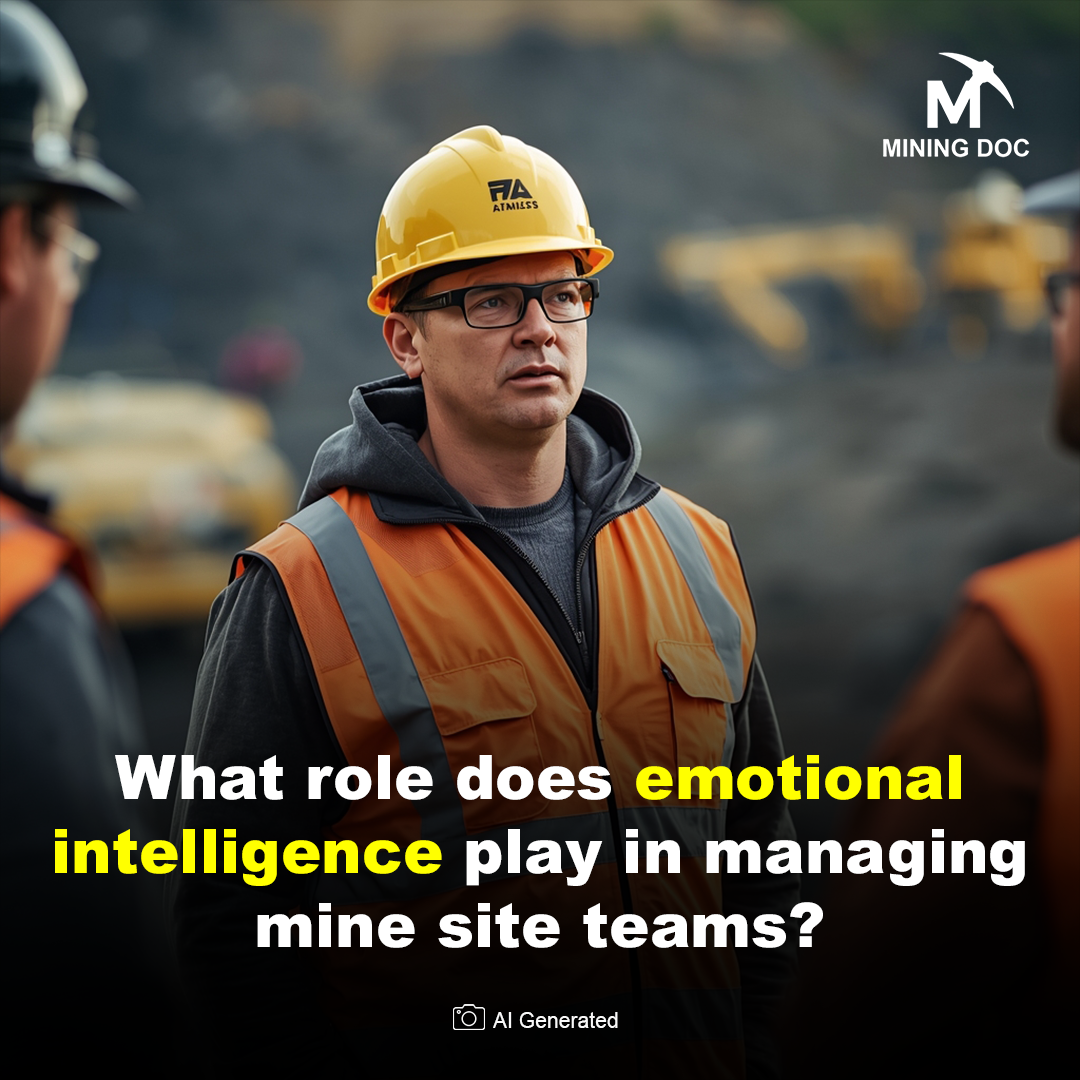
Mining can be considered a profession that is driven by complicated technologies and heavy machinery. However, underlying each secure and efficient mine are the people who work hard in difficult conditions. Long work hours, genuine risks of danger, tight production targets, and remote operations all generate massive psychological pressures upon the personnel involved. The ability to recognize, understand, and control oneself and other people’s emotions is the skill known as emotional intelligence, having become an essential measure of leadership in the modern mining profession besides the necessary technical knowledge.
Emotional intelligence in a high-risk work environment
Mine sites are critical environments where stress, tiredness, and anxiety can easily interfere with decision-making and safety. Emotionally Intelligent leaders are in a position to observe early symptoms of frustration, dis-engagement, and emotional overload in workers. Thus, through proactive measures, they can avoid errors, unsafe practices, and accidents resulting from such conditions.
Leaders who have high emotional intelligence keep their cool during events or production pressure, which serves as a positive example or inspiration to others. As a consequence, poorly regulated emotional responses from leadership members could increase levels of stress, which might result in unsafe decisions.
Communication and team cohesion
Communication skills are extremely important within mine environments, where teams have different skills, languages, and levels of experience. Smart leaders who understand the value of emotional intelligence communicate actively, articulate well, and convey the message to every individual.
When people feel that their voice is heard, they are more willing to speak about issues of safety and cooperate effectively. Emotionally intelligent communication helps to decrease the number of misplaced interpretations of communication that may lead to a conflict. This is essential in maintaining a safe and efficient working environment.
Leadership, motivation and performance
Emotionally intelligent leaders appreciate that what works for one person may not work for another. By spotting the drivers, strengths, and obstacles of each individual, they can ring-fence a leadership style that will better inspire each individual to perform. Well-considered feedback, proper acknowledgment of effort, and empathy during hard times all enhance morale and engagement.
In a sector riddled with skill gaps and high turnover, emotional intelligence retains the team members. Respectful and empathetic leadership is the key to a positive culture, making employees committed and productive even when conditions are hard.
Conflict management and decision-making
Conflicts are inevitable in a challenging situation such as a mining field. Through the use of emotional intelligence, leaders are able to handle conflicts in a calm and just manner, focusing on finding remedies rather than blaming one another. Through the regulation of their own emotions, they are thus in a position to protect their leadership while preserving working relationships.
“Smart and emotionally intelligent decision-making means the consideration of the operations side of the equation and the personal side of the equation that has to be taken into account.” If an owner and a leader take the emotion and psychological impact of what’s happened and what the changes might be on the operations side, they will maximize the potential for success and keep the team’s trust along the way.
Conclusion
The role of emotional intelligence in mine-site leadership has become increasingly important. Increased emotional intelligence will enable greater performance improvement, enhanced communication skills, improved performance levels, and conflict resolution. Combined with good technical knowledge in mine-site operations, the role of EI will enable the creation of empowered and high-performance work groups in the face of rising complexities in the mining sector.