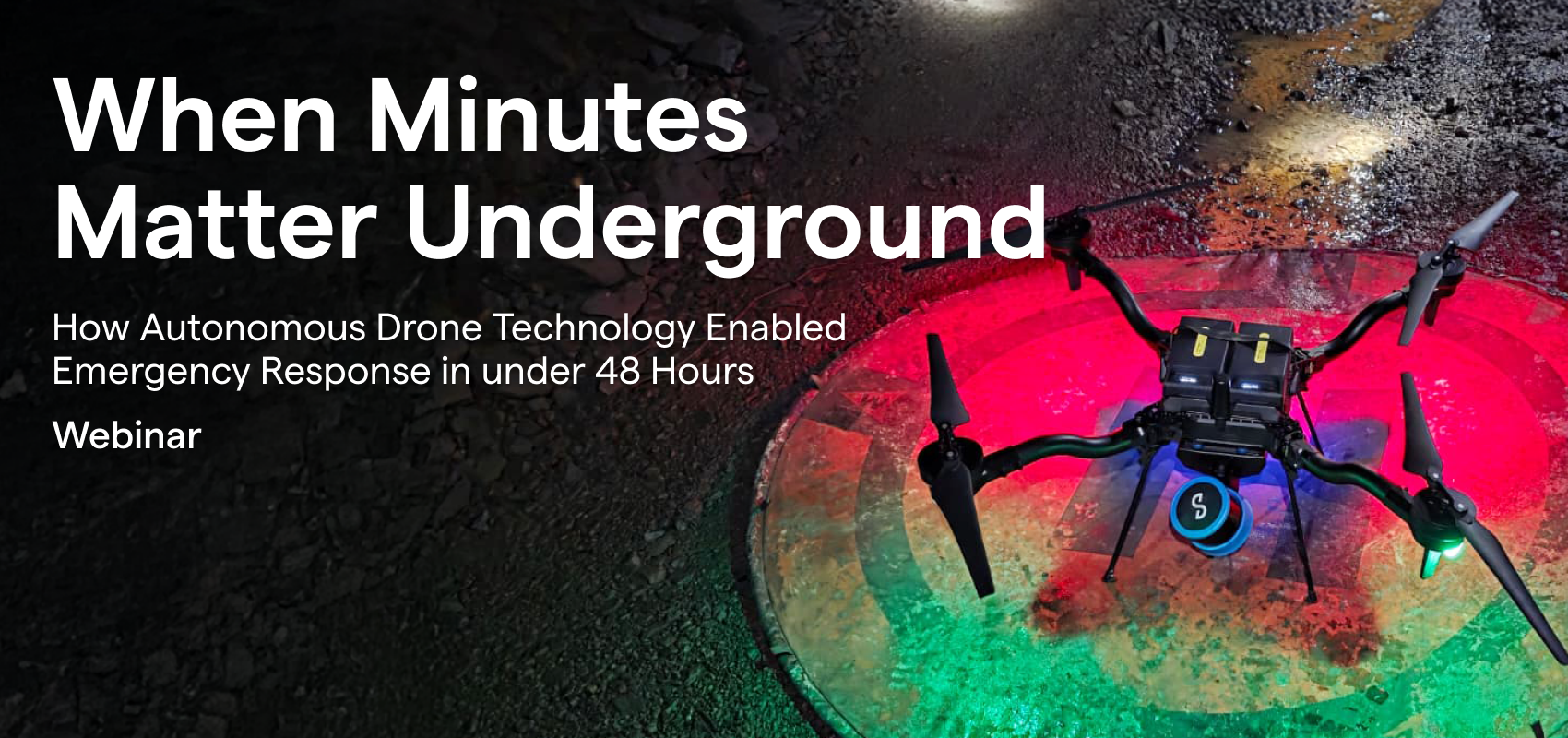
In mining, engineers use a variety of technological tools as well as software to efficiently do their job.
Below are some of them:
- CAD Software
CAD stands for computer-aided design, and it is a type of software that allows you to create and modify 2D and 3D drawings of your mining plans. CAD software can help you design the layout, dimensions, and specifications of your mine, as well as the equipment, infrastructure, and utilities. You can also use CAD software to generate reports, maps, and diagrams that can support your decision-making and communication. Some examples of CAD software that are widely used in mining engineering are AutoCAD, MicroStation, and SolidWorks.
2. GIS Software
GIS stands for geographic information system, and it is a type of software that allows you to store, analyze, and display spatial data. GIS software can help you integrate different types of data, such as geological, hydrological, environmental, and socio-economic, and overlay them on a map. You can also use GIS software to perform spatial analysis, such as finding the best location, route, or area for your mining project. You can also use GIS software to create interactive maps and dashboards that can communicate your findings and recommendations. Some examples of GIS software that are widely used in mining engineering are ArcGIS, QGIS, and MapInfo.
3. Simulation Software
Simulation software is a type of software that allows you to create and run models of your mining processes and scenarios. Simulation software can help you test and optimize your mining methods, equipment, and operations, as well as assess the impact of uncertainties, risks, and changes. You can also use simulation software to compare different alternatives and evaluate their economic, environmental, and social outcomes. Some examples of simulation software that are widely used in mining engineering are Arena, Simio, and AnyLogic.
4. Visualization Software
Visualization software is a type of software that allows you to create and display graphical representations of your mining data and plans. Visualization software can help you enhance your understanding and interpretation of complex and large data sets, as well as communicate your results and insights more effectively. You can also use visualization software to create realistic and immersive images and animations of your mining projects, as well as interactive and dynamic dashboards and reports. Some examples of visualization software that are widely used in mining engineering are Tableau, Power BI, and SketchUp.
5. Collaboration Software
Collaboration software is a type of software that allows you to work and communicate with other stakeholders involved in your mining projects. Collaboration software can help you share and access information, documents, and files, as well as coordinate tasks, schedules, and feedback. You can also use collaboration software to facilitate communication and collaboration across different teams, departments, and locations, as well as with external partners, such as contractors, consultants, and regulators. Some examples of collaboration software that are widely used in mining engineering are Microsoft Teams, Slack, and Dropbox.
What’s one piece of tech or software you find most indispensable in modern mining engineering? Share your insights!
Written by: Tales Stuker and Valdimir Marques
Reference:
https://www.linkedin.com/advice/0/what-software-tools-do-you-use-design-communicate#:~:text=1-,1%20CAD%20Software,Valdimir%20Marques