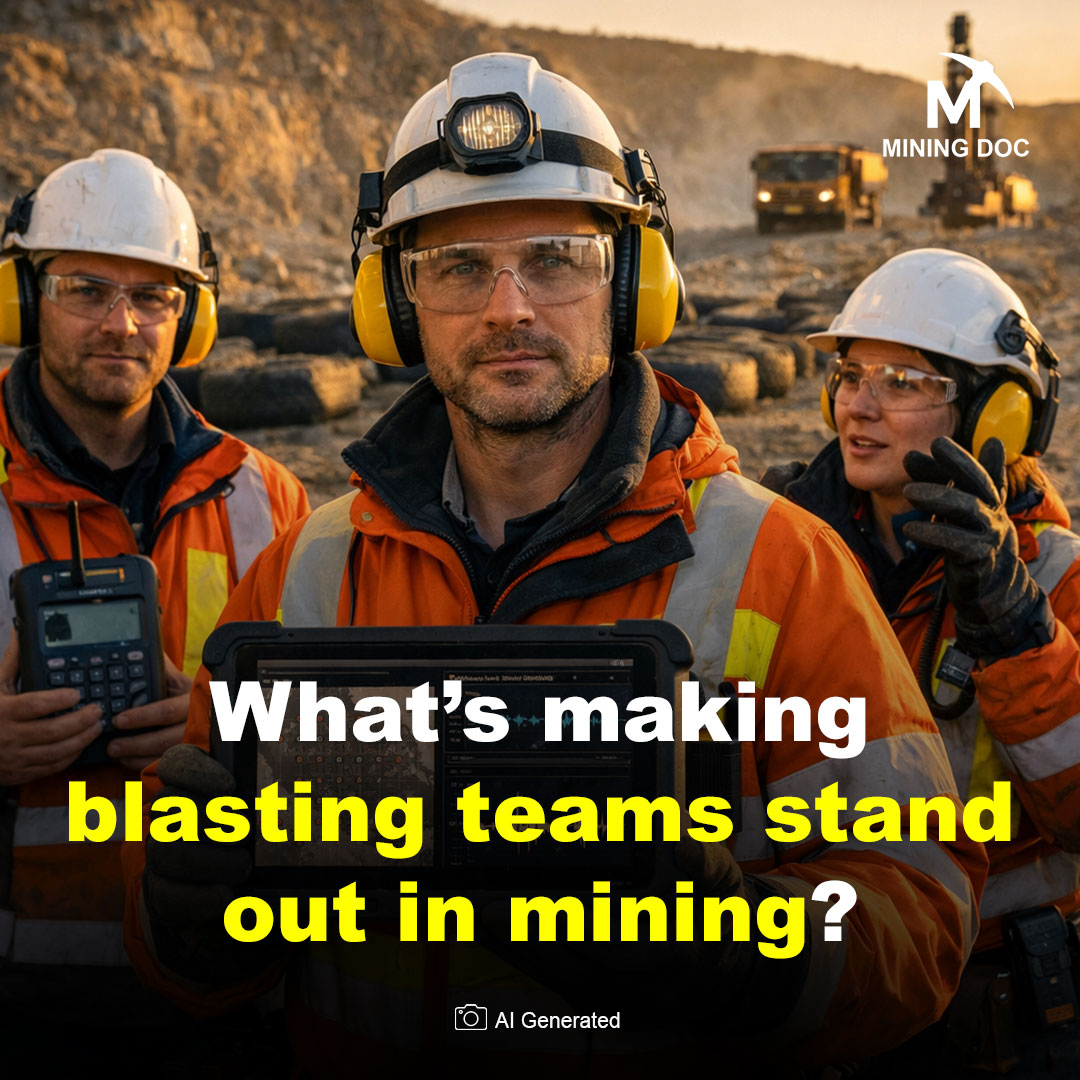
In the contemporary mining landscape, blasting teams have transcended their traditional roles as mere excavators, emerging as the “rock stars” of operational efficiency and sustainability. This transformation is driven by a shift from heuristic, trial-and-error methods to data-intensive, scientific optimization (Skrzypkowski & Biessikirski, 2026).
The modern blasting team leverages a sophisticated suite of digital tools that fundamentally alter extraction paradigms. According to research by Sánchez & Hartlieb, (2020), innovation is now the primary mechanism for maintaining competitiveness as mines face deeper deposits and harder rock masses. Blasting crews utilize electronic detonation systems and multi-axis accelerometers to achieve millisecond-level timing control, which was impossible with traditional pyrotechnics (Discovery alert, 2026). This precision allows teams to optimize energy distribution, significantly reducing environmental impacts like ground vibration and air overpressure (Farmonaut, 2025).
Blasting is no longer viewed in isolation but as the critical first step in the “mine-to-mill” value chain. Scientific studies emphasize that optimizing rock fragmentation through advanced blast design can lead to substantial cost savings in downstream processes such as crushing and hauling (Yussupov et al., 2021). By creating preliminary stress in rock blocks using modified hole patterns, blasting teams can increase the yield of manageable ore pieces from 48% to 73%, directly boosting crusher throughput and reducing energy consumption (Jain, 2025).
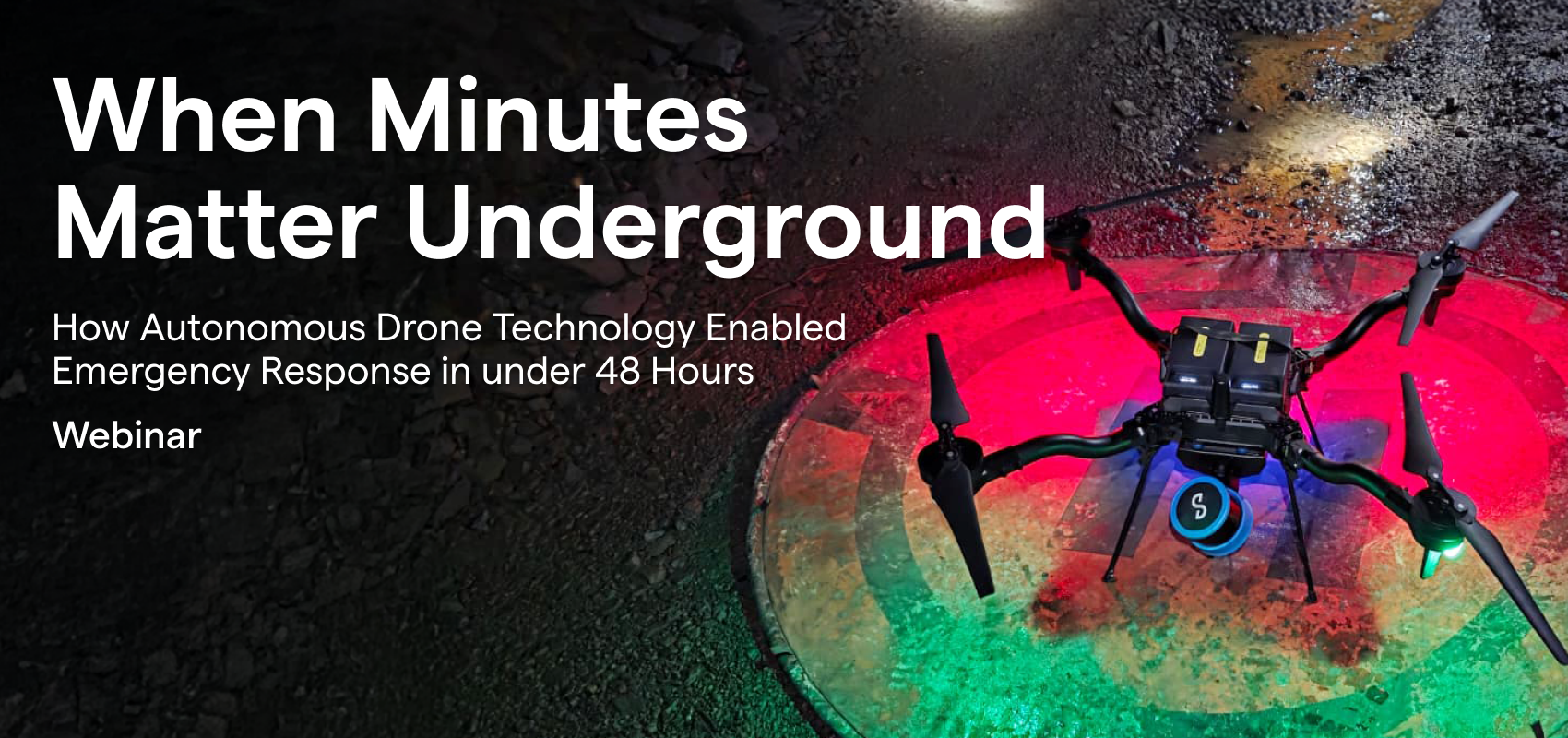
Safety remains the cornerstone of this professional evolution. The integration of AI-driven predictive modeling, drones for pre-blast surveys, and robotic blasting technology has significantly minimized human exposure to hazardous conditions (Discovery Alert, 2025). As noted by Farmonaut (2025), remote initiation systems allow teams to execute complex sequences from safe distances, while AI algorithms analyze real-time data to prevent flyrock and structural damage.
In conclusion, the modern blasting team has become a multidisciplinary unit of engineers and data scientists. Their ability to harmonize explosive energy with geological complexity is redefining productivity and safety standards in the 2020s mining industry.
References
Blasting Safety In Gold Mines In 2025: Key Innovations. (n.d.). Retrieved February 25, 2026, from https://farmonaut.com/mining/blasting-safety-in-gold-mines-in-2025-key-innovations
Jain, D. N. (2025, February 4). An Overview of Drilling and Blasting in Mining. AZoMining. https://www.azomining.com/Article.aspx?ArticleID=1848
Modern Drilling & Blasting Tech Revolutionizes Mining. (n.d.). Discovery Alert. Retrieved February 25, 2026, from https://discoveryalert.com.au/modern-drilling-technologies-revolutionise-mining-2026/
Revolutionizing Mining: Advanced Robotic Blasting Technology. (n.d.). Discovery Alert. Retrieved February 25, 2026, from https://discoveryalert.com.au/robotic-blasting-technology-2025-mining-automation/
Sánchez, F., & Hartlieb, P. (2020). Innovation in the Mining Industry: Technological Trends and a Case Study of the Challenges of Disruptive Innovation. Mining, Metallurgy & Exploration, 37(5), 1385–1399. https://doi.org/10.1007/s42461-020-00262-1
Skrzypkowski, K., & Biessikirski, A. (2026). Advanced Blasting Technology for Mining. Applied Sciences, 16(3). https://doi.org/10.3390/app16031232
Yussupov, K., Myrzakhmetov, S., Aben, K., Nehrii, S., & Nehrii, T. (2021). Optimization of the drilling-and-blasting process to improve fragmentation by creating of a preliminary stress in a block. E3S Web of Conferences, 280, 08015. https://doi.org/10.1051/e3sconf/202128008015