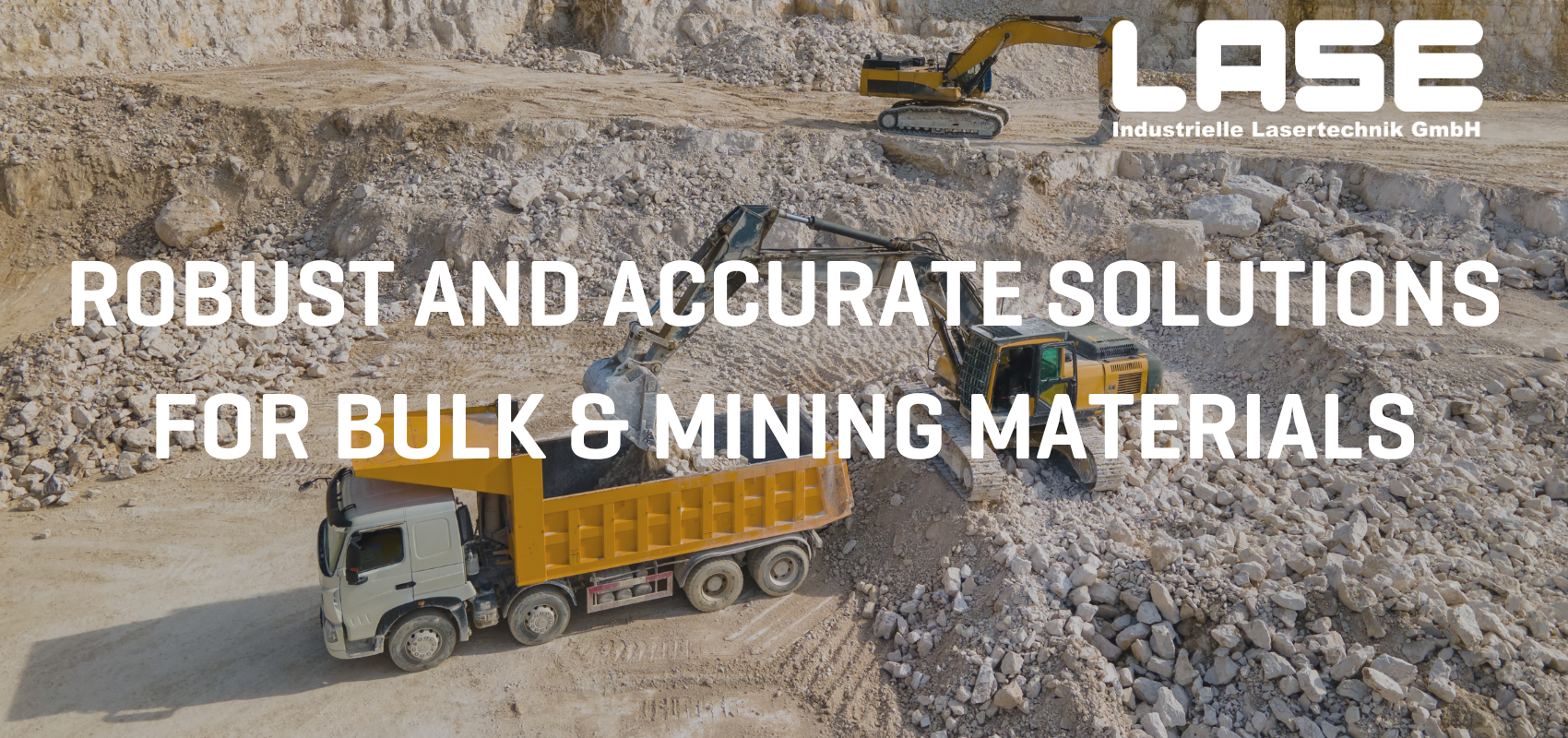
The mining industry, one of the oldest human activities, dates to ancient civilizations that mined minerals and metals for tools, construction, and trade. Today, the sector stands at a pivotal point of transformation, where embracing technological innovation is crucial to meet the rising demand for commodities vital to the global energy transition.
- AI as a Support System:
AI handles data analysis, pattern recognition, and routine decisions, while humans contribute judgment, problem-solving, and ethical insight together achieving better results than either alone.
2. Changing Workforce Roles:
With automation taking over manual tasks, workers are transitioning to roles that involve monitoring autonomous systems, managing AI tools, and optimizing operations.
3. Enhanced Safety:
AI improves hazard prediction and enables the use of autonomous equipment, reducing worker exposure to high-risk environments and lowering accident rates.
4. Boosted Efficiency and Sustainability:
AI enhances productivity through optimized maintenance, traffic flow, resource use, and environmental monitoring, supporting long-term sustainability.
5. New Skill Demands and Inclusion:
The shift to AI requires digital and analytical skills, creating opportunities for a more inclusive and diverse workforce in the mining sector(AI in Mining, n.d.).
What does the future of mining look like when human expertise meets the power of artificial intelligence?
Reference:
AI in Mining: Transforming Operations for Safety and Efficiency. (n.d.). Omdena. Retrieved September 16, 2025, from https://www.omdena.com/blog/ai-in-mining-guide